
Archive for WINE ARTICLES
Book Review
Beyond Jefferson’s Vines
The Evolution of Quality Wine in Virginia
By Richard G. Leahy
Sterling, 230 pages, $19.95
 In 1809, Thomas Jefferson, contemplating the future of making wine from Vinifera grapes wrote his friend John Adlum, stating, “I think it will be well to push the culture of that grape (Alexander) without losing time and effort in search of foreign vines, which it will take centuries to adapt to our soil and climate.”
Jefferson’s observation was prescient. It would be two centuries into the future before Vitis vinifera grapes would prosper in abundance in the Old Dominion.
Today, some 230 wineries are operating throughout the state with over 80% of the vines being Vinifera; a species that produces 99% of the world’s wine. Mr. Jefferson would be pleased.
Science, coupled with perseverance, has produced a vibrant wine culture in Virginia that is on the cusp of national and international recognition. It couldn’t be timelier then to have a book appear that explores the Commonwealth’s vinous achievements and showcases the men and women who are the driving force behind the revolution.
Author Richard Leahy, who interestingly enough, lives near Monticello, has created a career as a wine educator and promotional maven. His writing centers on the Virginia and East Coast wine industries. His Wine Report chronicles his writings and travels.
Beyond Jefferson’s Vines takes the reader on a tour of selected Virginia wineries, spending time with owners and winemakers to better assess how the state has catapulted itself into the top five wine producing states in the Nation.
The journey begins with a thumbnail sketch of the state’s wine history centered on a visit by the Circle of Wine Writers, a predominately British group of journalists and lecturers, who travelled to Virginia in 2010 to experience first hand its winemaking and wines. The scene is set next to the re-planted vineyard at Monticello; an appropriate venue for the beginning of a leisurely tour of all the major wine regions in the state.
The excursion itself starts with a visit to the eponymous RdV Vineyards in Delaplane, owned an operated by Rutger de Vink, a talented and committed vintner producing Bordeaux reds that have garnered surprising critical acclaim for his first two vintages.
de Vink has raised more than a few eyebrows among the state’s winemakers for his flash-like leap to prominence. Reputations in the industry are generally hard-earned and there are some who question the accolades being extended to the creative artisan. Nonetheless, he earned his bona fides as an apprentice to noted winemaker Jim Law and has established a following of wine lovers eager to see if time will confirm his initial impressive bottlings.
Jim Law, Dennis Horton, and Luca Paschina receive early on attention given the out-sized roles they’ve played in Virginia. These are men who will be chronicled in the future as major contributors to the industry-wide advancement of what grapes to grow and how to craft the best wines.
It’s not widely known that Jefferson worked tirelessly for thirty years trying to produce a palatable wine but without success. Thus, it’s intriguing to learn the owner of Phillip Carter Winery, Philip Strother, discovered through diligent research that Charles Carter successfully made wines in the mid-eighteenth century—nine years before Jefferson planted his first vines.
In 1763, Carter shipped a dozen bottles of wine to England from grapes grown in his vineyard. He earned a gold medal for his efforts. It is the first recorded history of successful wine grape production in Virginia using European vines.
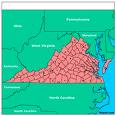 The reader is then guided on a fascinating tour of the state’s wine regions, including; the Tidewater, Northern, Central, Southern, Blue Ridge Highlands and Shenandoah Valley appellations. Along the way, personalities—known and new—are profiled, offering perspectives on career backgrounds and wine philosophies of a broad and diverse group of owners and winemakers. Only a select number of businesses are highlighted given the sizeable number of wineries in the state but it produces a rich tapestry of the industry as a whole.
A transition device used between visits is driving directions leading to the next winery on the tour, creating a useful guide book within the larger work itself.
The role the state government has played in building the industry is explored in a separate chapter. One learns that Governor Robert McDonnell signed into law last year a bill requiring the portion of the wine liter tax collected from the sale of wine produced by farm wineries be deposited in a Virginia Wine Promotion Fund. These revenues now total $1.35 million annually; double the previous amount and further advancing efforts to promote the industry’s growth.
Moving beyond the winery journeys and government support, Leahy pays respect to the small but increasing cadre of wine women in the Commonwealth. From legends such as the internationally known viticulturist Lucie Morton to Christine Lezzi, a regional wine distribution executive, to winemakers and vineyard managers such as Jeanette Smith, Kirsty Harmon, Amy Steers, Debra Vascik and Emily Hodson Pelton; fascinating women all who are contributing to the state’s repute.

Richard Leahy
Leahy also focuses his attention on how the national wine media is increasingly noting the accomplishments occurring within the state. For years, positive reviews were hard to come by but today as proprietors and winemakers set the bar higher the media is taking note.
Closing out the book, the phenomenon of exporting Virginia wine overseas is examined. The nascent but growing overseas distribution of Virginia wine by entrepreneur Christopher Parker and his company, New Horizon Wines, has almost single-handedly raised the profile of the state’s wine in Great Britain. Overseas acclaim and acceptance is emblematic of the broader recognition unfolding stateside.
Beyond Jefferson’s Vines is a valued addition to current genre of wine writing. It’s clean, straight forward prose and broad scope assures its use as both a who’s who of Virginia wine and a ready reference for readers who will be drawn back to its informative content often.

Old House Vineyards, Culpeper County’s first vineyard and winery, has received the Chamber of Commerce’s 2012 Agribusiness of the Year Award.

The Chamber’s selection committee reviewed dozens of deserving candidates and chose Old House for its significant contributions to agriculture, tourism, and local business development.
“My wife Allyson and I are honored to be recognized for what we have built here at Old House,” says Pat Kearney, vineyard owner. “It’s been a lot of hard work. It’s gratifying to know we are contributing to the growth of the county’s business community.”
The Kearneys purchased their seventy-five acre abandoned alfalfa farm, located three miles east of Culpeper, in 1998. Their dream was to build a small winery and enjoy a more rural lifestyle with their family of three children. They lived in Fairfax County at the time of the purchase and subsequently moved to the Culpeper property.
After restoring an 1800s era farmhouse, they moved in and simultaneously used the residence as a home and tasting room. “Needless to say it was bit hectic in the early days. Raising a family in a place of business had its challenges,” says Pat smiling. Today, the family resides in a beautiful home on a small rise on the back of the property, within sight of their tasting room.
 Old House Vineyards exemplifies how an entrepreneurial spirit can blossom into a valued asset for the owners, countless visitors and local businesses. The multiplier effect on the local economy has been dramatic in the fourteen years since the winery was founded.
Pat Kearney was operating a successful millwork firm in Springfield, Virginia when he purchased the farm. Today, Kearney & Associates, Inc. is located adjacent to the vineyard. The firm specializes in creating display cases, artifact mounts, dioramas and assorted graphics for museums nationwide.
“I enjoy my primary business. It lets me express my creative side. Allyson runs the winery operations on a day-to-day basis. It’s a heavy workload for the both of us but we love our life here in Culpeper,” says Kearney.
And the love shows. Over the years, the hard working couple has built an impressive property that attracts thousands of wine lovers from across the state and Nation.
After completing restoration of the original farmhouse, a four thousand square foot pavilion was built nestled next to a bucolic lake surrounded by vineyards. On a summer day the property is graced with picnicking couples and families, creating a scene out of a romantic movie.
The vineyard consists of twenty-one acres of grapes including Vidal Blanc, Chambourcin, Chardonnay, Cabernet Franc, Cabernet Sauvignon, Petit Verdot and Tannat. The fruit produces about 36,000 bottles of wine a year and has won numerous awards. Currently, their winemaker is a young Frenchman named Thibaut Debourg who holds degrees in enology and viticulture, the scientific study of winemaking and grape cultivation.

Wedding at Old House Vineyards
Their successful wine operation has spawned a hospitality business that has seen dramatic growth over the years. Old House has already has booked twenty wedding parties in 2012 in addition to other corporate and family events that lease the screened-in lakeside pavilion.
“One of the wonderful benefits of our success is sharing it with other local businesses,” says Allyson. “We are always referring our guests and wedding parties to local B&Bs, restaurants, caterers, florists and other shops in Culpeper County. We’ve become good friends with so many of our fellow business owners,” she says.
Fred Furtado, a county resident who has enjoyed wine tasting with his wife Betsy at Old House, says, “I love the beauty and serenity of the place. The Kearneys and their staff are hospitable folks who make you feel at home. We always enjoy relaxing in such a peaceful setting.”
Reflecting on the success of Old House Vineyards, one is tempted to think of a pebble tossed into their serene lake and rippling outward in all directions. Culpeper County is, indeed, fortunate to have a business that is green, sustainable and generating economic success throughout the county.
The Culpeper Chamber of Commerce honored Old House Vineyards on March 2 with a ceremony held at the winery.
 Published in the February 23, 2012 edition of the Culpeper Times.
 Frank Sinatra’s 1965 classic, “It Was a Very Good Year”, bears a title most winemakers hope to murmur after each harvest. Not so last year.
Rainy and cloudy skies framed by cool weather took its toll on vineyards in Virginia. In some cases, wide swaths of ripening fruit were lost to black rot and other fungi breeding in the gloomy days of September and October.
So let’s fast forward six months and reflect on what kind of wines are now sleeping in tanks and barrels across the Old Dominion. Is 2011 a bust? The answer is either unlikely or no with an emphasis on “no”. Talented vineyard managers and winemakers will dictate who produces gold medals this year and who won’t.
Generally speaking, 2011 will be a decent but not great vintage. Wines will tend to be a bit lighter in both color and taste and off-flavors might appear from time to time. This will occur because at the crucial growing period when wine grape sugars were rising and acidity falling, cool, wet weather put the brakes on the process. An unfulfilled grape can result in an unfulfilled wine.
So what’s a winemaker to do? Actually, lots of things. For white juice that is low in sugar content and high in acidity at fermentation time, boosting sugar levels both before and after the wine is made can create a balanced and lively white. This can be achieved through additions of cane sugar or grape concentrate. Acid can also be precipitated out of the wines to reduce tartness. Fortunately, white grapes sourced from many parts of the state benefited from ripening in late August, producing good fruit, including Petit Manseng, Viognier and Chardonnay.
Red wines can be more difficult to deal with. One technique employed by experienced vintners is to “bleed” the crushed fruit prior to fermentation. This process removes some juice and increases the ratio of juice to skin contact, enhancing depth of flavor and color. It also creates opportunities for making more Rosé wines, since the bled juice is light in color and produces tasty dry and off-dry wines. I predict we will be seeing more Rosé in tasting rooms this year and next.
Other cellar alchemy includes greater or lesser use of oak aging and tannin additions and enhancing color using grape extract produced from the skins of Vinifera grapes.

Hagarty Cellars 2011 Whites
At Hagarty Cellars, I have now bottled all of my whites; some thirty-two cases or 384 bottles. My cellar is stocked with Pinot Gris, Dry Riesling, Chardonnay, Viognier and a Viognier-Chardonnay blend. It promises to be a very nice summer, indeed, as Jean and I and our four adult children and their spouses work our way through these clean tasting whites. And yes, we will not be able to consume them all. But my whites will last three to five years in the bottle before oxidation begins to set in.
So this amateur winemaker is generally pleased with his white wines this vintage. While my Riesling was high in tartaric acid I balanced it out with an addition of residual sugar to a level of slightly less than one percent, still producing a dry version. German Rieslings are considered dry up to 0.9 % residual sugar.
I did a side-by-side comparison of my 2010 and 2011 Chardonnays and found the 2011 was clean and flavorful, albeit not as full-bodied as my 2010 rendition, one of the best vintages in Virginia the last decade.
As of this writing, I am also happy with my reds. My Virginia blend of Cabernet Franc and Petit Verdot is lighter on the palate than last year’s companion. But I also sourced some California Cabernet Sauvignon fruit that I blended in with it to make a Meritage, in addition to the Cab Franc. All my reds are clean and aging nicely. I will begin bottling them in May and June to prepare my cellar for the arrival of fresh fruit in September.
Winemakers in Virginia will be fully employed this year and I prophesize the critics will be impressed with the overall quality of wines they produce given the challenging harvest. As with any profession, education, skill and talent will prevail.

Guests Come for the Wine But Are taken By the Beauty
The wine is called Mesmerized. It’s a blend of Viognier and Vidal Blanc and earned its name from the behavior of arriving guests. As soon as they enter the tasting room they head for the deck. They’re mesmerized.

And well they should be. Sweeping views of rolling pastoral farmland unfold before the eye until resting on the distant peak of Old Rag Mountain; one of the most popular hiking spots in the Mid-Atlantic region.
“We looked at a bazillion properties before falling in love with this place,” says Donna Henrickson, co-owner of Little Washington Winery. “We’ve been here over a year and Carl and I still sit on the deck in the evenings in awe of this place. We can’t believe we found such an idyllic spot.”
But the land is not all views. Its twenty-five acres of southeast facing slopes and rocky soil crest at over 850 feet elevation providing an ideal location for growing wine grapes. Yet the Henricksons have taken their love of wine to even greater heights.

Donna & Carl Henrickson
“As a teenager my parents would save a few sips from their evening bottle of Bordeaux and have me taste it while teaching me to read the wine label. It was a memory that gave birth to my love of wine,” Carl fondly recalls.
Carl spent his career in business and community management. He sat on the Loudoun County Board of Supervisors from 1976 to 1984 and served in positions from sales manager to president of local software companies. Donna’s career was public relations and marketing in the hospitality trade and at the State Department.
By 2003, Carl’s home winemaking hobby had become an obsession and the couple focused on their retirement dream of owning a winery. What ensued were endless trips statewide looking at land and wineries.
In preparation to opening their own tasting room, they enrolled in Jim Law’s vineyard management and winemaking classes. They also gained invaluable experience producing major marketing events for Virginia wineries and publishing the popular Virginia Winery Hopping Guide; a vest pocket annual atlas listing wineries and directional maps to tasting rooms statewide.
In 2008, they finally happened upon a property with a winding dirt road entrance and located in the shadows of the Blue Ridge Mountains. “We looked at each other and said, this is it,” says Donna. After their extensive search, they elected to start from scratch and build a boutique wine destination near the historic village of Little Washington.
Today, the dream is being realized but retirement is still years away. The couple is having too much fun for now. “It’s hard work starting a winery from scratch. But it is gratifying to see people enjoying our wines and this peaceful setting,” says Donna.
The couple planted two acres of Viognier on the property in 2011. An additional four acres of red Bordeaux varietals will be trellised this year. Their goal is to keep the winery small. “We don’t want a huge operation. We’re focused on producing a few world-class wines and keeping this incredible 25 acres in farm use. This is a destination where folks can come, sit in awe, and get hooked on preserving farmland,” explains Carl.
In keeping with their unique business careers, the tasting notes at the winery reflect a business strategy seldom seen in Virginia. Each week, three Little Washington wines are featured alongside three wines from farm wineries in Virginia and points worldwide.
“Farm wineries are cool no matter where they’re located. Small lot wines are being hand-crafted globally and we want to share the best of them with our guests. We feel a connection to these winemakers and are pleased to open additional markets to them. We call the selections our ‘Dirt Road Tour’ in honor of the back roads where many of the producers are located.”
The Dirt Road wines are selected by Andrew Stover, a professional sommelier and winemaker. “Andrew has a broad knowledge of small wineries producing worthy wines. We’re fortunate to have his involvement in the selection process,” says Donna.

"Dirt Road" Wine Rack
Customers can choose from both Little Washington wines and selections from the “Dirt Road Rack” located in the back of the tasting room. All of the wines are periodically rotated through the tasting bar so visitors are provided a different tasting experience every time they visit the winery.
Little Washington Winery is a unique and welcome addition to the Virginia wine scene. Its owners are unpretentious and view wine as an everyday beverage and consummate food companion. “Some folks get a little carried away with intimidating winespeak. That’s not us. Our passion is about sharing the serenity of this place and making good wine,” says Carl.
Little Washington Winery is located at 72 Christmas Lane, Washington, VA. The tasting room is open Friday, Saturday and Sunday from 11am to 5pm. 540.987.8265. Visit them at http://www.littlewashingtonwinery.com/

Growth of Wine Club Leads to New & Expansive Members Lounge
When John Delmare, owner of Rappahannock Cellars in Huntly, opened the doors to his tasting room in 2001 there wasn’t a single California-styled wine club operating in Virginia. Today, the Old Dominion has dozens of such clubs scattered throughout the state.

John Delmare
“I was surprised that no winery was operating a club that regularly ships wine to its customers, while at the same time offering special privileges at the winery to those loyal supporters. It’s a sound way to build your business and to connect with a group of people who can act as ambassadors for both your business and the state in general,” says Delmare.
Today, Rappahannock Cellars is a leader in the Virginia wine industry. “About sixty-five percent of our wine is shipped to our membership,” states Delmare.
Such growth dictated an expansion of both the winery’s warehouse and its members’ club room. On December 10th, the new room officially opened. Not one to think small, Delmare created a 2,000 square foot venue located over top of a new equally-sized warehouse facility. The club room can comfortably seat 150 people for casual tasting, wine dinners and other similar events.
As one enters the warmly appointed room, multiple picture windows offer views in every direction of vineyards, forests and mountains. Sipping wine in such an atmosphere is a sure cure for chasing away the workweek blues. “Many of our members visit us on weekends to relax and enjoy the beauty of Rappahannock County. The room can serve as their ‘country club’ and its expansion is our way of saying thanks for their loyal support,’’ says Delmare.
 The room will also be available for lease during the week to public and corporate users.
The growth of Virginia wine might well be labeled “explosive”. The first commercial winery was licensed in 1967 and today there are some 230 wineries in the state. Industry experts predict that the acceleration of the industry will result in a doubling the Nation’s wine consumption in the next decade. If that comes to pass,Virginia could well be home to some 500 wineries by 2021. In Rappahanock County there are currently seven tasting rooms in operation: Chester Gap, Gadino, Gray Ghost, Little Washington,Narmada, Rappahannock Cellars and Sharp Rock.
“I welcome our county neighbors to come and visit us. We’d love to give them a tour of our expanded facilities and share with them the benefits of being a club member. Most local members save on the expense of shipping by picking up their monthly allotments here at the winery. Plus, it creates an opportunity to spend a few hours of relaxation in a beautiful setting,” says Delmare.
The Delmare family is large and guests will often be greeted by family members who work and manage winery operations. Rappahannock Cellars is opened seven days a week from 11:30am to 5pm, and on Saturday till 6pm. Learn more about their extensive wine list and events by visiting rappahannockcellars.com.
Published in the January 5, 2012 edition of the Rappahannock News.

Will Big Money Be Driving Force Behind Virginia’s Wine Success
For the last forty years, winery owners and vintners in the Commonwealth have been advancing the cause of fine wine. Today, their success is evident as the “Mother of Presidents” lays claim to being the fifth largest wine producing state in the Nation; 5.5 million bottles annually to be a bit more exact.
But achieving respect from the national media is still elusive. Yes, a nod of recognition here and there draws attention to what is unfolding in the Old Dominion but the mantle of greatness still appears to lying somewhere over the horizon.
Nonetheless, the tipping point of fame might be edging closer. Could it be the fame of individuals that creates Virginia’s vinous fame?
 Recently, it was announced that AOL founder Steve Case and his wife, Jean, purchased the Sweely Estate Winery in Madison. The winery was a tribute to a successful business career gone awry when more wine was produced than could be sold. Finger the recession, owner hubris, or a combination of both but the proprietor threw in the towel when he found a buyer for his fading dream. Now “You’ve Got Wine!” might be echoing around the Piedmont region.
But this news is not an isolated event. Over the last several years serious money has been finding a home in Virginia wine. If the trend accelerates, it could bode well for the entire industry. But first a little history.
In the 1960s, wine in America was not a pleasant cup; unless Thunderbird and Wild Irish Rose served as your evening cocktail. Then slowly, serious men began making serious wine. Many of them gravitated toward California and the best of the bunch called Napa Valley home.
In 1976, a wine tasting was held in France—dubbed the “Judgment of Paris”—that earned a Napa Chardonnay and Cabernet Sauvignon the title of best wines in the competition. The USA beat the French at their own game. The unexpected coup helped launch a revolution in winemaking in this country and around the globe.
As Napa Valley met with greater success a trend began emerging. Money followed the fame. Names such as Frank Sinatra, Raymond Burr, Mario Andretti, Joe Montana, Jeff Gordon, Tom Seaver, Diane Disney, Carlos Santana, Francis Ford Coppola and an endless number of wealthy surgeons, lawyers, real estate moguls and power brokers built or snapped up one prestigious winery after another.
Today, there are over 450 wineries in Napa, vineyard land sells for as high as $235,000 an acre and a bottle of its cult wine goes for more than $300. The rich and famous struck hard and Route 29 that slices through the valley has become the road to Mecca for wine lovers everywhere. A once sleepy farming community is now world famous for its wine.
Such a trend might be taking shape in Virginia. Names such as John Kent Cooke, Dave Matthews, Donald Trump and now Steve Case are investing in its young and vibrant regional wine industry.
These successful people are being drawn to Virginia wine because they recognize its quality and potential. As each famous name is added to the list of winery owners it will attract the attention of other notable personalities. If the engine of Big Name success ignites, the Commonwealth could be closer to achieving the respect it its been waiting for.
Fortunately,Virginia covers almost 43,000 square miles as compared to Napa’s 788, so wine prosperity will not create gridlock in our pastoral countryside. But it could recreate Napa’s success on a smaller scale:
- Funneling tens of millions of tax dollars to state coffers.
- Employing tens of thousands of workers.
- Driving much needed money into rural communities.
- Furthering Virginia’s reputation as a vacation destination.
- Preserving land targeted for subdivision sprawl.
And, of course, producing wine rivaling the best made anywhere.
Fame. Bring it on.

Published in the December 11, 2011 edition of the Fauquier Times-Democrat.
Culpeper Purveyor of Fine Wines Opens at New Location
What’s the velocity of Vinosity? Over four hundred distinctive wines and eighty artisan beers in a single visit. An impressive pace.

Kim Kelly
Kim Kelly, proprietor of Vinosity—formerly Chateau du Reaux—recently moved diagonally across the street and about eighty paces from her old store and is now located at 174 E Davis Street. While she has been operating in a “soft opening” mode for the last few weeks, the shop was officially opened on Wednesday, November 16. Her customers couldn’t be happier.
Kelly, a former marketing and wine distribution maven, entered wine retailing back in 2008 when she purchased Chateau du Reaux. “We built our business during the recession, achieved success and needed to expand. This location is ideal and more than doubles our previous square footage. We also have a lower level that provides for further expansion in the years ahead,” says Kelly.
This year the United States became the largest wine consuming nation in the world, making it an ideal time to be in the business. However, experience and professionalism must be brought to bear to earn success in the competitive world of retail wine sales.
Upon entering the store you will find an extensive array of wines arranged by region and country with New World and Old World selections. New World wines hail from Argentina, Australia,Chile,New Zealand,South Africa and the United States. Old World renditions emanate from France,Italy,Germany, Austria and Spain. Both styles are popular in this full service wine shop which carries ample choices from around the globe.
In addition to wine, Vinosity is also a craft beer lovers playground, with an impressive selection of micro brews; domestic and international producers. Cider, Port, Sherry and Madeir around out the shops offerings.
 In the center of the boutique store are long hand-crafted tables and chairs for in-store shop tastings which are held every Friday from 5-8 pm. “Either I or an industry representative will present 3 or 4 wines for tasting each week, describing palate flavors and appropriate food pairings. We stress wine education and strive to build the knowledge base of our customers. The more you know about wine the greater your appreciation,” emphasizes Kelly.
While the shop carries a diversity of wines ranging from inexpensive to ultra- premium, the emphasis is on high quality affordable bottlings. “I spend a lot time seeking out wines that are excellent and reasonably priced. We have over a hundred and seventy-five wines priced at $15 or less. Wine drinkers love discovering a great bottle at an affordable price,” she says.
In addition to wines, the new shop will feature an assortment of hand cut cheeses and freshly baked artisan breads. “With the addition of a kitchen in our new space, we are excited about the opportunity to expand our offering of complimentary products with an emphasis on local purveyors,” Kelly says smiling.
To round out the emphasis on upscale enjoyment, a fully stocked humidor of hand rolled cigars, fine stemware, and other wine related accessories are available for purchase.
Typical of many of her regular customers, Jeff Southard says, “Kim Kelly has a passion for wine and I’ve learned a lot from her. Her shop offers a wonderful selection of wines at good prices. What more could a wine lover ask for.”
A visit to Vinosity is like a step back in time while being thoroughly modern. From the polished wood floors and high ceilings to the seemingly endless racks of wine, the ambiance invites one to linger and enjoy. Much like a fine glass of wine.
Vinosity is open six days a week: Tuesday, Wednesday, Thursday and Saturday, 10am to 6pm; Friday, 10am to 8pm; Sunday, noon to 5 pm; closed Monday. Visit CulpeperWines.com or Facebook for information on upcoming shop events and more, or call 540.829.9463.
Published in the November 10, 2011 issue of the Culpeper Times.

End of Harvest
White with fish. Red with meat. Right?
Well…maybe.
 Today, the creativity emerging from kitchens—both professional and in-home—is turning one of the oldest cooking chestnuts into a thing of the past. More than ever, thinking outside the conventional wine & food box can be rewarded with wonderful matches that seemingly defy conventions of just a few years back.
The successful uniting of wine & food is analogous to an episode of Dancing With The Stars. Shortly after the dance competitors’ take to the floor, they separate and perform tightly choreographed moves, independent of each other. But, as the performance evolves, they increasingly embrace and begin displaying a singularly beautiful oneness. When the dance ends, the partners are breathlessly locked in each other’s arms.
OK, that’s stretching it a bit. But that is what a perfect wine & food match should seek to achieve. Of course, it won’t happen every time. But when it does, you will have enjoyed a memorable dining experience.
 Fusion cooking has gained popularity in the last decade or so. This style of food preparation seeks to blend and contrast a number of ingredients and flavors to increase the overall palate complexity of an entrée. It also presents a wider range of wine pairing opportunities. Often, it’s the sauces and spices that drive a wine companion decision, rather than the main entrée itself. In the past, much of our dining was simply a meat and potatoes approach to eating. Nourishing, yes. But also a bit boring.
The availability of everyday cuisine meals has even been extended to the frozen food aisle of our favorite grocery store. Boxes and bags of intriguing Thai, Asian, Mediterranean, and other ethnic foods have become widely available. All of this is great news for our dinner tables as it offers more exciting wine pairing possibilities.
Much of the wine/food advice from the past tended to limit, rather than expand, our gastronomical delights. In reality, it’s harder to mismatch a wine and food pairing than to create synergy at the table. A wide variety of wines can go perfectly fine with a wide variety of entrees. The key is to look for the melding of the two components that results in something greater than just the wine and just the food.
Perhaps one of the easiest ways to understand the art of marrying wine and food is to picture an obvious pairing clash. What would be your reaction to dining on a tender, flaky serving of Mahi Mahi while sipping a glass of jammy, spicy, high alcohol Zinfandel? Eeeeyew. I don’t think so. The wine would crush the flavors of the delicate fish. To better match a wine with food simply think…compatibility.
To enhance the pairing of the vine and the table, let’s first examine some simple, time proven strategies that can brighten your next dining experience.
Match the color, weight & texture of the food with the color, weight & texture of the wine. If the main dish is a succulent, baked chicken breast with mushroom sauce, try pairing it with a white wine displaying a creamy mouth feel. A nice match would be a full-bodied, oaked California chardonnay, which typically shows these characteristics. If you are having the gang over for an evening of spicy chili, grab a couple of bottles of rich, full-throttled Californian Zinfandel at your local wine shop. Or, consider melding the flavors beef stroganoff with Merlot. Here both components display soft, medium textures that nicely compliment each other.
Match acidity in the wine with acidity in the food. Shrimp Orzo with lemon zest and a New Zealand Sauvignon Blanc would nicely showcase the acidity of each component. Or, duck with orange sauce would be enhanced with a glass of dry Riesling from Alsace or Australia. The acidity in the food needs to be matched with acidity in the wine; otherwise, the wine will come off flat and dull.
Match salty or spicy foods with an off-dry, or slightly sweet, wine. Thai or Asian dishes offer wonderful, zesty spices that would clash with a higher acidic wine. Rather, seek out a nice off-dry Riesling. The slightly sweet wine will tame each mouthful of the spicy food. It’s fun to experience how such a pairing actually diminishes the sweet effect of the wine, almost transforming into a dry wine. Each bite of the spicy dish is followed by a sip of wine, cleansing and softening the palate, and setting it up for the next bite of food.
Match the food of a country with its wine. This is an easily remembered pairing. Italian food with Italian wine. French food with French wine. California cuisine with California wine. We could go on with numerous examples, but you get the idea. What’s the reasoning here? Local wines have been matched with local foods for extended periods, in some cases, centuries. The natives long ago figured out what dishes go best with their local wines. No need for us to try and reinvent these classic matches. So yes, veal parmigiana will swoon with a bottle of Chianti Classico—the Sangiovese grape—simply because our Italian brothers figured out long ago that the medium-bodied, higher acidity wine blends nicely with the meat, cheese and tomato sauce of the veal.
 Let’s wrap up our culinary discussion with some not so obvious pairings. Rather than set out any rules here, let’s just go with some recommended matches.
- Jamaican jerk seasoned chicken and Zinfandel. The spice elements of the chicken with dovetail nicely with the spicy, rich Zin.
- Parmesan encrusted boneless breast of chicken and Sangiovese. A Chianti Classico’s medium bodied weight, with good acidity, makes this combo work.
- Veal cutlet with artichoke hearts and Pinot Grigio. Artichoke is a difficult food match but it adds body to the normally lighter style pinot, making it a more full-bodied companion.
- Tacos and a dry Rose’. The dry wine with lots of fruit flavors will accent the meaty flavors of the taco.
- Smithfield country ham and Chenin Blanc. The light styled white wine with nice fruit and a bit of sweetness will tame the salty component of the tasty ham.
Perhaps simply following your instincts can be the most fun in wine and food pairing. After all, you don’t think twice about matching corn on the cob with salt and butter. Or, building a ham and cheese sandwich with Dijon mustard. Even linking chocolate chip cookies with a cold glass of milk comes to you effortlessly.
Let your dining imagination take you to places even the experts might not have thought of. It’s just another way to expand your enjoyment of a delightful bottle of wine.

THE WINE
Beauty is in the eye of…
OK, it’s a timeworn expression but one that came to mind as I sipped Pollak Vineyards 2010 Viognier. Not only was the wine beautiful to the eye but the view from the tasting room was equally so. Nestled at the base of the Blue Ridge Mountains west of Charlottesville, the ultra modern winery and the wine were impressive; the beauty of both would be apparent to any beholder.
 The straw colored wine shimmered in the glass telegraphing its aromatic gifts of peach, honeysuckle and light toast. The first sip confirmed expectations, presenting a full-fruited yet elegant wine displaying complete balance and a light spice finish.
THE FOOD
Lobster Ravioli in a Fennel and Chervil-Infused Nage
courtesy Emeril Lagasse
 If the integration of flavors is the goal of food and wine pairing, Viognier with lobster ravioli achieves the intent. While the dish may be viewed as an appetizer it provides a substantial dinner when served in larger portions and accompanied by a loaf of rustic bread. This recipe is not something you throw together on a busy week night. But given the time to create the dish, you will be amply rewarded when you tuck into this tasty meal.
Ingredients
2 ribs celery, roughly chopped
1 lemon, juiced
1 teaspoon black peppercorns
2 sprigs thyme
2 sprigs parsley
2 cloves garlic, peeled and smashed
2 bay leaves
1 cup dry white wine
1 teaspoon salt
2 live (1 1/2 to 2 pound)lobsters
1/2 cup finely chopped fresh fennel bulb, fronds and upper stems reserved
3 tablespoons minced chervil or parsley
1/2 cup heavy cream
6 tablespoons butter
1 tablespoon lemon zest
1 lemon, juiced
1/2 cup minced shallots or onion
1 teaspoon garlic
36 wonton or egg roll wrappers
Directions
In a large pot place 1 gallon of water and the celery, onion, carrot, lemon and orange juices, peppercorns, thyme, parsley, garlic, bay leaves, white wine and salt. Bring to a boil over high heat, reduce to a simmer, then add the lobsters and poach for 9 minutes. Remove the lobsters from the water with tongs and drain. When cool enough to handle, remove the lobster meat and claw meat from the shells, finely chop and set aside, reserving the shells.
Into a clean pot strain the cooking liquid through a fine mesh strainer. Add the lobster shells and bring to a boil over high heat and reduce by half. Add the fronds and upper stems from the fennel bulb and reduce again by half (should be between 2 and 3 cups). Strain the liquid again into a clean saucepan and bring to a simmer. Add the chervil,cream,2 tablespoons butter and 1-1/2 teaspoons lemon zest to the pan and season to taste. Remove sauce from the heat and cover.
In a large saute pan, melt 2 tablespoons of butter over medium heat and saute the fennel, shallots and garlic until soft. Add the chopped lobster meat and saute for 2 minutes. Add the lemon juice and remaining lemon zest and butter to the pan and stir to incorporate, then pour onto a plate to cool. On a flat surface spread out 18 won ton wrappers and spoon 1 tablespoon of lobster filling into the center of each. Brush a little water on the outer rim of the filled wrapper and top a wrapper. Press gently around the filling and the edges of the wrappers to seal. (Ravioli may be refrigerated at this point, covered tightly, until ready to use, up to 2 hours.)
Bring a large pan of salted water to the boil, drop in the ravioli in batches and cook for 30 seconds. Drain thoroughly and place 3 ravioli in the center of each serving plate, and coat with the sauce. Makes 18 ravioli.

Pollack Vineyard Deck View...One of Many
Regional Wine Week started Sunday, October 9, and runs through Saturday the 15th and is sponsored by DrinkLocalWine.com. As part of the celebration, DLW is challenging anyone from the “other 47”—folks not from California, Washington or Oregon, the Nation’s leading wine producing states—to submit an essay in 47 words or less on their state’s wine industry.
Here’s this blogger’s submission:
Mother of Presidents. Home of the Shenandoah Valley, daughter of the stars. Fabric of the Nation, torn and restored on its soil. Four hundred years of wine history on the cusp of national recognition. Viognier and Cabernet Franc blossoming on the palate.
Ahhh…my Virginia.

Understanding How the Best Wines in a Competition Become Medalists
The room is hushed. Nineteen men and women at four tables labor over several glasses of wine placed in front of each of them. The only sound is sniff and sip, followed by murmurs of quiet conversation. After two days and 109 individual flights—comprising 564 wines—the entrants will be awarded either a bronze, silver or gold medal. Or none at all.

This is how the seventh annual wine competition sponsored by the Atlantic Seaboard Wine Association, ASWA, unfolded on July 23 & 24, 2011 at the Dominion Valley Regency Club in Haymarket, Virginia. ASWA is one of the oldest wine organizations on the East Coast and promotes the interests of wineries in seventeen states bordering the Atlantic Ocean.
But wine evaluation is seemingly an individualistic endeavor, is it not? How can divergent views reach consensus on what’s good and what’s not?
It’s all about the participants and the methodology.
The judges & the system
The judges for this year’s competition included professionals from every discipline in the industry, many with decades long experience and numerous wine competitions on their resumes. The panels included college professors, sommeliers, an executive with the Virginia ABC, winemakers, American Wine Society certified judges, food and beverage managers, and wine educators. This writer was honored to be a member of one of the tasting panels.
Within the industry, competitions can create angst when a wine perceived by its creator as being a “Best of Show” receives a bronze medal or none at all. And consumers may wonder how certain wines earn coveted gold medals. Thus, it’s instructive to understand the evaluation process and underscore the professionalism that is brought to bear in choosing the winners.
At the heart of the process used by ASWA is the Modified UC Davis 20 Point Scoring System. Unlike the 100-point scale used by major wine publications, the UC Davis system separates each element of a wine and rates its individual components before awarding a total score.
All of the wines are tasted blind—coded and not bearing the name of the winery—and rated on six characteristics:
Appearance–2; Aroma—5; Taste—5; Balance—3; After Taste—3, and overall Impression–2. The system is recognized as more objective than a single score evaluation. Less than 14 points earns no medal; 14.5 to <15.5 a Bronze; 15.5 to <17 a Silver; and 17 to 20 a Gold. It’s a straightforward system yet one that employs a careful analysis of every wine entered.
 Here’s how it works in execution. A wine steward and his staff orchestrate delivery of the coded wines and evaluation sheets directly to each table. There the wines are placed in the order they appear on the sheet in front of each judge. Each flight is identified by a varietal or category such as Chardonnay, Cabernet Franc, Petit Verdot, vinifera blends, French hybrids or Native American grape wines.
Judges employ their own personal style in rating the wines. Some assess the appearance and aroma of all the wines first before returning to taste. Others fully rate and assigned a numerical rating to each wine before proceeding to the next. And typically each judge smells and tastes all the wines in each flight at least twice before laying their pencil down. When it appears everyone has concluded their evaluations, the “Table Captain” or lead judge will ask the group if it’s ready. The panel nods their agreement and the assessment enters stage two.
Going around the table, each judge announces his or her score for the wine in question and the lead judge records them. The five scores are then added up and divided by 5 for an average score. For example, 15….15.5…13.5…16…17 would earn an initial rating of 15.4. The Table Captain will announce the average score and advise the group it is nearly a silver rated wine. “Would any judge want to revaluate their score and award a silver,” inquires the lead judge. If a judge agrees to amend, the wine is categorized a silver and the process moves to the next wine in the flight.
 On occasion, a judge will score a wine significantly off the mark of the other judges; for example, posting an 11.5 when the rest of the table rated it as 15 or better. The lead judge will request a clarification such as, “Would the gentleman wish to advise why he rated the wine low and also reevaluate it in light of the other scores?” The judge in question explains his rationale and either a retasting by all the judges ensues as a result of his concerns, or he agrees his initial assessment was low and states he will raise it to garner the wine a silver.
The point in all this give and take is to ensure no one judge unduly influences a score and that each rated wine reflects the group’s assessment.
Often people will question the ability of anyone to taste so many wines in a single competition and still accurately identify winners and losers. But consider that none of the wines are consumed; all tastings are spit into cups before proceeding to the next wine. And any given judge will taste about 140 wines—or 25%—not all 564 entries. Spreading the wealth over all nineteen judges maintains the integrity of their palates.
Moreover, crackers, thin slices of roast beef and olives are available to clear the palate. Olives are particularly good at removing the tannins left behind during red wine tasting. Additionally, lunch breaks are ninety minutes long and significantly refresh the palate.
Easing up
On the evening of the first day’s evaluations all of the judges and wine competition management and their spouses were hosted at an upscale restaurant for dinner. Conversations, wine related and not, enlivened the evening and forged further camaraderie among the group.
The next morning the entire cast reassembled for a continuation of the tastings. The morning session went briskly and by noon the last of the flights had been judged and lunch was served in the Regency’s Club dining room. At 1:45, the highlight of the competition was conducted back in the tasting room. It was time to select the “Best of Show”; the one wine that prevailed over all 564 submissions to be named the wine of wines.
The process took additional time to stage since each judge had to have glasses of each wine awarded a Best of Category status staged at their seat. Then the doors of the tasting swung open and the judges took their places before the arrayed “Magnificent 15”.
The objective here was as simple as it was elegant. Evaluate and select the top five wines out of the 15 in order of preference. Reds and whites competed together for the first time. The judges were looking for simply the best wine in the house. After thirty minutes of careful evaluation, five glasses were tightly grouped before each magistrate along with a sheet ranking their selections #1 through #5. A tally of the sheets by the competition management identified the winner.
At this point, the inner sanctum of the wine steward’s room was opened to all. Participants were invited to taste whatever wines they desired directly from bottles they had been evaluating over the last two days; prior to this point no one knew what wineries had chosen to participate in the competition. For a list of all the judges and award winning wines visit the ASWA web site.
On October 13, the Association will hold an awards ceremony on Capitol Hill under the auspices of the Congressional Wine Caucus showcasing this year’s winners. The winning wines are then normally presented at the Unified Wine and Grape Symposium in Sacramento,CA and other national wine consumer events.
East Coast wines are increasingly being recognized nationally for their quality. The ascendency of these regional wines is driven in large part by the recognition provided by the Atlantic Seaboard Wine Association. It is the objective of the ASWA to promote the East Coast as a quality wine producing region.
May the association live long and prosper.
- Published in the Fall 2011 edition of the Piedmont Virginian magazine.

Cool, Rainy Weather Forces Wineries to Scramble
Within the wine industry, one is reluctant to speak of a poor harvest. The world of wine is centered on the romantic image of undulating rows of vines hanging heavy with ripe fruit, ready for transformation into gold and ruby nectar.
But this year in the Old Dominion it will be a challenge to elicit praise from proprietors and winemakers as to the quality of their grapes. Virginia’s climate will have its way from time to time and acceptance of a poor vintage is a worthy trait among the state’s vintners.
 “At the end of August we had good fruit hanging in the vineyard. We were excited with its potential. But in September, much of the crop failed to mature given the cool, wet weather. This is my thirty-second vintage and you need to accept that Virginia’s climate will not produce an ideal harvest every year. One needs to respect each vintage for what it is,” explains Jim Law, owner and winemaker at Linden Vineyards.
In fact, such a lament is periodically heard in most wine growing regions, including France, the home of world-class wines. Even California’s harvest is two to three weeks behind schedule this year due to a cool and rainy early season. Growing wine grapes is farming and farming entails risks.
The delicate Eurasian grapes that produce over 80% of Virginia’s wines need relatively dry weather in the final weeks prior to harvest; a touch of drought is ideal. Such conditions increase sugar levels with a corresponding decline in acidity. A balanced grape harvest leads to balanced wine.
In Charlottesville, vineyards were exposed to 12 inches of rain in a nine day period in September with episodes of hail damage also occurring. First Hurricane Irene dumped heavy rains followed by the slow moving tropical storm Lee. “Legally you must cease spraying for a period of time prior to harvest. This year the weather left the fruit exposed to fungi leading to sour rot and Botrytis. We lost much of our Viognier and other varieties were also hard hit,” said Stephen Barnard, winemaker at Keswick Vineyards.
What’s a winemaker to do?
 Experienced vineyard mangers try to anticipate the vagaries of weather by employing strategies such as aggressive leaf pulling to expose the fruit to more sunlight and encourage ripening. “We’ve closely managed our Chardonnay crop this year. And while this is not a great vintage that fruit is hanging nicely. Now we need some dry, sunny days to successfully bring it into the cellar,” says Chris Pearmund, owner of three Fauquier County wineries.
Given the potential of poor harvests, experienced wineries react to such conditions in a variety of ways. An obvious tact is to simply not produce as much wine in a poor vintage year. Other approaches involve making more Rosé wines in lieu of full- bodied reds or blending different wines to build depth and complexity.
“This is a year to focus on ‘pretty wines’. Such wines are lower in alcohol, more delicate, with a bit more acidity and mineral notes and not as long aging,” explains Law. “I anticipate years like this and hoard some of my full-bodied reds. My 2006 and 2007 Hardscrabble reds are pouring nicely. I will release them next year,” he says.
Another important strategy is to aggressively drop underripe or rotten fruit in the vineyard, enhancing the potential for the grapes that are harvested. While this reduces overall production, it enables quality wine to be made in off vintages.
Most Virginia wineries only use only Virginia grown fruit but state law does allow up to twenty-five percent of out-of-state grapes to be blended into their wines. In difficult vintages, this provides an opportunity for winemakers to craft wines that are fuller-bodied while still reflecting the state’s terroir.
A good portion of the state’s red grape crop is still in the vineyard. If the weather cooperates, good quality fruit can still be reaped. “We are using every technique in the book to produce good wines this year. It’s challenging,” says Pearmund.
Published in the September 30, 2011 edition of the Fauquier Times-Democrat.

Philip Carter Winery Vineyards
Elegant European Stemware Comes With Impressive Guarantee…But
Around this wine writer’s house, wine glasses have a limited life span. High quality glasses enhance the beauty and flavor of wine but they’re more delicate than a bride’s emotions on her wedding day. Both must be treated tenderly or they’ll get hurt.
 But a quality vessel is so important to enhancing the wine drinking experience one should be willing to buy and set aside a few special glasses. Think it doesn’t make a difference? Try sipping your next fine wine out of two different vessels; a crystal glass and a fruit juice glass. Then draw your own conclusion. Like all products, quality makes a difference.
And so it was that for several months I eyed an ad in the Wine Enthusiast catalog for a glass called the Fusion Classic. It came in six different models depending on the type of wine you intended to use it for. I elected to purchase the Chardonnay glass because I think it’s useful as an all-purpose vessel…whites and reds look and taste great in it. I paid $49.95 for four, including free shipping.
Equally important, the glass was touted as break-resistant. Specifically, the ad read: “European crystal is fused with super-strong magnesium to form a durable, lightweight, graceful wine glass. Science meets sophistication, and the result is shatterproof.” Hmmmm.
But I couldn’t lose with the purchase since the stemware came with a 10-year replacement policy. Ten years. Break a Fusion glass and get a replacement at no cost. So I placed my order and waited eagerly for the UPS truck to come lumbering up my driveway.
Fast forward two months after my original purchase. I have now broken four of the glasses. I cannot say they are the original four since I was being sent replacements almost as fast as I was breaking them. And how did they meet their demise?
- Glass #1 was pulled from my overhead glass rack with a piece missing. I have no idea how it broke.
- Number #2 was tipped over as I reached for a piece of cheese on our deck dining table. It was no violent lunge. My hand simply grazed the glass, it tipped over and I was back on the phone talking with my growing number of friends at Wine Enthusiast.
- Glass #3 was being withdrawn from the dishwasher when an adjoining plate bumped it. Krack!
- The fourth casualty occurred as I gently hand washed the inside of the victim with a sponge. Pop! “Hello, customer service?”
The most amazing thing about this experience is the folks at Wine Enthusiast could not have been more helpful and responsive in sending me a replacement glass. No questions. No challenges. No arguments. Simply, “Is the mailing address the same as the original order?”
At the moment, I am waiting for the arrival of my fourth replacement. I hope it comes quickly. I’d love to have all four of the glasses in my house at one time.
 Before I posted this blog, I contacted Wine Enthusiast and advised them I was going to write on my experience. Here’s the response I received back the same day:
Dear Mr. Hagarty,
We apologize that you are not happy with your Fusion glasses. We rarely hear of so much breakage from one customer, and more often than not we hear how happy customers are with these glasses. Although the glasses are break resistant, they ARE still glass, so they still must be handled with care indicative of glass, not polycarbonate glasses. These glasses are covered under warranty, so if you would like replacements to be sent to you please feel free to call 800 648 6058 and someone will be happy to assist you.
Thank you,
/s/ a customer service manager
Impressive, eh? I certainly will continue to do business with the firm in the future.
But, if we happen to meet in the year 2021, ask me how many Fusion glasses I have gone through. By my rough calculation I could be on my 160th replacement by then. Yet again, my treatment of the stemware is getting gentler each day.

How It All Began
2010 Rosé Going, Going…
The Wine
 Jim Dolphin, owner and winemaker at Delaplane Cellars, has created a summery Rosé that is as colorful to the eye as it is on the taste buds. Slightly off-dry at 0.9% residual sugar, it is beautifully balanced with bright acidity creating a dry wine experience.
In the glass, vivid red hues lead to delicate watermelon aromas that intensify on the palate as strawberry and watermelon. The overall effect is a clean, finely balanced wine that mysteriously keeps disappearing in the glass.
The bottling has been extremely popular and its original 145 case production has dwindled down to a precious few; it is no longer available for tasting. Limited supplies are waiting to be enjoyed during our coming Indian summer. But buy only one bottle and you’ll regret it.
Now the good news. Expect a higher production of Rosé next year at Delaplane.
The Food
An evening on the deck with an easy to prepare crab imperial was the perfect match for this bright Rosé.
 Ingredients
- 1 pound crabmeat
- 1/2 cup mayonnaise
- 1 tablespoon fresh lemon juice
- 1 teaspoon Worcestershire sauce
- 1/2 teaspoon Old Bay Seasoning TM
- 1/2 teaspoon salt
- 1/2 teaspoon cayenne pepper
- 1/2 teaspoon dry mustard
- 1 egg, beaten
- 1/4 cup fresh bread crumbs
- 1 teaspoon paprika
- 3 tablespoons butter
Directions
- Preheat oven to 400 degrees F (200 degrees C).
- In a medium bowl, combine crab meat, mayonnaise, lemon juice, Worcestershire sauce, Old Bay Seasoning, salt, cayenne pepper, dry mustard, and beaten egg.. Mix thoroughly.
- In an 8″ pie dish, spread mixture and lightly coat the entire dish with bread crumbs. Then sprinkle the top with paprika. Dot the dish with the butter.
- Bake in a preheated oven for 20 minutes.
Snagging Venerable Wine Books with a Keystroke
You’ve gotta love the internet. Its scope is ginormous. Consider that even back in 2009 there were:
- 90 trillion emails sent.
- 234 million websites in existence.
- 1.73 billion users worldwide
- 126 million blogs.
If you can’t find it on the internet, it’s likely not worth knowing or possessing. One of the more useful actions this writer uses the net for is to purchase used books.
Yep, it’s a clash of the old and new. Forget Kindle. Reading hard copy tomes is in this writers’ blood. And wine books are the near the top of his favored subjects, with over fifty titles in the man’s library.
Perhaps the easiest channel of purchase is Amazon.com. Type in the name of almost any book and up pops the selection ready for a one-click purchase. But wait. Glance down a line or two and you’ll see a used copy that can often be had at a fraction of the new book price.
Sweet.
Let’s briefly review a few of the more interesting volumes on this blogger’s book shelves. The list is not meant to be comprehensive and other’s favorites may not appear here. Nonetheless, here is some solid writing on the subject.
 A Short History of Wine by Rod Phillips; 370 pages. This well researched volume could be read three times and you’d still be learning about the advancement of wine from earliest civilization to the 21st Century.
- American Vintage: The Rise of American Wine by Paul Lukacs; 386 pages. From failure to worldwide recognition; just one fascinating story after another about the growth of the US wine industry.
- Home Winemaking Step by Step by Jon Iverson; 226 pages. This is this home winemaker’s go to book. An easy to understand guide packed with all the critical details for producing wine at home.
- Judgment of Paris: The Historic 1976 Paris Tasting That Revolutionized Wine by George M. Taber; 326 pages. The movie Bottleshock was based on the events covered here. Wonderful perspective on the early days of modern California winemaking and the revolution it unleashed.
- Making Sense of Wine by Matt Kramer; 240 pages. Wine Spectator’s premier columnist will have you highlighting passage after passage as he educates in his conversational style.
- Oldman’s Guide to Outsmarting Wine by Mark Oldman; 364 pages. If you fancy yourself becoming a sommelier someday but don’t have the time or money to pursue it, this is a good shortcut. You’ll return often to this fun and highly informative reference book.
- Passions: The Wines and Travels of Thomas Jefferson by James M. Gabler; 318 pages. And you thought Tom was simply the author of the Declaration of Independence; the man had a serious wine problem in the best sense of the word.
- The House of Mondavi: The Rise and Fall of an American Wine Dynasty by Julia Flynn Siler; 452 pages. A breathtaking story of the family who put America on the fine wine map.
- The Emperor of Wine: The Rise of Robert M. Parker, Jr. by Elin McCoy; 342 pages. He created the 100-point wine evaluation scale and changed the way Americans evaluate and purchase wine.
- The Science of Wine by Jamie Goode; 216 pages. One of the most informative books on modern winemaking and written in an accessible style. A tour de force on how grapes become wine.
- The Wine Trials by Robin Goldstein; 188 pages. This one may upset the wine snobs but learn how the average Joe lets his palate guide his choices.
- To Cork or Not to Cork by George M. Taber; 278 pages. Why are screw caps advancing in popularity? Learn how New Zealanders and others lost patience with cork producers and led the way in upsetting a 300 year-old tradition.
- Wine for Dummiesby Ed McCarthy and Mary Ewing-Mulligan MW; 403 pages. The title may be off-putting but you’d be hard pressed to glean more basic information on the world of wine than this easy to read dissertation.
The world of wine is a subject almost without end. With each different bottle we open the journey begins anew. Today, the United States is entering its golden age of the fermented grape. Increasing your knowledge about this elixir will enhance its enjoyment.
So pull the cork then turn the page. Hard copy isn’t dead yet.
Published in the 2011 Winter Edition of the Virginia Wine Gazette.

