
Author Archive
Potomac Appalachian Trail Club is premier outdoors fraternity
Research confirms the life-giving benefits of outdoor exercise. Study after study demonstrate the gifts of emotional well-being and physical conditioning that are bestowed on those who roam field, forest or mountains.
 Walking or hiking your way to a healthier lifestyle may well be the most enjoyable way to achieve and maintain peak health. It’s particularly beneficial to folks who have passed the half-century mark.
Sitting in the rocking chair is comfort sublime. It’s also a relaxing way to stop moving altogether. The fountain of youth is embedded in one word. Movement.
Reducing the amount of steps taken each day is a short cut to taking few steps at all. Participating in outdoor activities with others provides emotional elements critical to enjoying your older years.
Moreover, anxiety and depression can fade with an increase in social exercise as the sense of well-being is enhanced.
But enough about the wonderful benefits of moving about. You knew that already, right? The question before the court is how to make it happen.
Potomac Appalachian Trail Club
There are dozens of ways to get physically moving from gym memberships to solo neighborhood walks. All are good and beneficial. But an important adjunct to the tried and true is participating in organized excursions that enhance your current exercise routine.
Where to start? Consider PATC. That’s the moniker members of the Potomac Appalachian Trail Club use when referring to their organization.
PATC was founded in 1927 for the purpose of building and maintaining the Appalachian Trail, the longest hiking trail in the world meandering over mountains and through forests from Maine to Georgia. The 2,190 mile footpath courses through some of the most beautiful scenery in the nation. And there are no toll booths.
The trail is maintained by 31 service clubs along its entire length. PATC was the first club formed to perform this volunteer work and is responsible for maintaining over 1,000 miles of trails in Pennsylvania, Maryland, West Virginia, and Virginia, including 240 miles of the Appalachian Trail.
Pick your favorites
The breath of activities sponsored by PATC is impressive. The core mission of the club is its care of the hundreds of miles of trails and numerous shelters and cabins in its geographical area. Each year members rack up over 50,000 hours of volunteer work. However, the word “work” is subjective because the volunteers will tell you it’s more fun than labor.
But beyond the contributions of its valued volunteers, the playtime side of the club offers a horn of plenty for the most passionate of outdoor enthusiasts.
Hikes: Each month the club newsletter posts numerous hikes ranging from easy five milers with modest elevation gains to more challenging 15+ mile ventures to mountain peaks offering sweeping views. The club has a large selection of guide books and maps to shepherd the way to trail joy.
Trail Work: Elect to participate in trail or shelter maintenance and you may well become a regular member of these valued teams. Camaraderie and esprit de corps are hallmarks of these crews making their participation compelling. Alternatively, you can sign up to maintain a section of trail yourself by becoming an overseer.
Cabins: The club rents 42 cabins stretching from Charlottesville, VA to Pine Grove, PA offering opportunities to hike and explore hundreds of miles of maintained trails. Each dwelling has a unique history with some dating to the mid-1800s. Accommodations range from primitive to full electric and water but most showcase lifestyles of a century ago.
Classes: Presentations on hiking and outdoor life are offered monthly by experienced outdoors men and women. The recreational store REI sponsors many of these presentations in concert with the club.
Ski Touring Section: Cold weather is no time to stop venturing outdoors. Winterscapes provide serene and bracing opportunities to burn calories with like-minded souls. STS sponsors weekend cross-country trips throughout the mid-Atlantic mountains. More extensive “free heeling” trips are offered to western and New England ski venues.
Trail Patrol: As you gain experience hiking the mountains consider becoming a goodwill trail ambassador. These individuals provide a visible and reassuring presence on the trails educating the public on good hiking practices, camping ethics and minimum impact hiking.
Mountaineering Section: Geared for area climbers who share a common interest in promoting safe climbing, conservation and developing new climber skills. Weekend trips are the norm.
As we enter 2018 it’s not too late to make a retroactive New Year’s resolution to take advantage of our nearby national parks and forests. Find new life, health and friends on footpaths that are within an hour’s drive of your front door.
To learn more, visit patc.net.
Then lace’em up!
Homebrewing offers tasty and creative outlet for boomers
In 1980 there were 80 craft breweries in the United States. Today, over 5,300 dot our sudsy landscape. Even small towns and villages often sport a wee brewhouse where locals gather to quaff artisan beer.
 There’s never been a better time to hoist flavorful brews that are the polar opposite of the watery libations that have dominated our domestic beer world for decades.
So what triggered the shift from quantity to quality?
Homebrewers.
In 1979 a Federal law was enacted permitting brewing at home. States vary on exactly how much is allowed; in Virginia it’s 200 gallons annually for a two adult household. That’s about 2,000 bottles.
But please, don’t go there unless you’re sharing.
With such dramatic growth many nascent brewers began to realize, “Hey, my stuff tastes pretty good. Maybe I should go commercial” which they did in droves resulting in today’s commercial craft beer ascendancy.
It’s a classic example of free enterprise coupled with an entrepreneurial spirit being unleashed by market opportunity.
There are now 1.2 million homebrewers scattered across all 50 states with new adherents joining the hop army daily. A growing number of hobby brewers are baby boomers looking for a creative outlet for their newly available spare time.
It also offers the sociability inherent in a local community of homebrewers. A double your pleasure double your fun success story.
Getting started
Open a bottle of today’s craft beer and the furthest thing from most folks mind is, “I bet I could make something this tasty.” Well here’s a shocker. You can.
Homebrewing has advanced to the degree that producing a beer that will win friends and influence people is not only easy but fun and rewarding. Google the term Homebrewing and you’ll get 6.8 million results. You won’t be wandering in a brewer’s desert in your quest for a good, personally made beer.
Added to that level of support are homebrew shops, online suppliers and local clubs that thrive by assuring good beer is as easy to make as using a church key. If you can successfully bake a box of brownies, you can craft a beer you’ll be proud of.
As you launch your career as a brewmaster be sure to sip before your guzzle. In the beginning it’s recommended you start with easy extract malt kits and later migrate to all-grain brewing. These initial recipes are stovetop renditions made with syrup-like malt extract rather than barley.
 As with any endeavor, the complexity of brewing at home ranges from easy to complex. At the high end of the game expensive equipment and personally created recipes come into play.
But your basic equipment kit and ingredients can cost less than a $150. This will include a brew pot, fermenter, tools, bottling gear and ingredients. After producing extract beers you’ll be tempted to branch out to partial-grain and then all-grain brewing.
Let “slow, slow catch monkey” be your mantra.
Enough said. Let’s get brewing!
Making it happen
Your beer career will likely start at your keyboard. Google Homebrewing then stand back and watch the hops fly. Your choices for equipment and ready-to-make kits is seemingly endless. Here are few digital and brick and mortar options to help you achieve successful lift off.
- Midwest Supplies: One of the largest homebrew and wine making supply shops in the nation. Its website is a cornucopia of all things brewing with competitive prices and educational links to satisfy any newbie brewer. Visit them at midwestsupplies.com.
- Northern Brewer: Another leading supply house that is equally good at providing equipment, recipe kits and guidance as you learn the brewer’s craft. Take a peek at www.northernbrewer.com/
- Jay’s Brewing: Located in Manassas and affording the opportunity to look before you brew. It’s the oldest brew shop in the area with a knowledgeable staff and large selection of equipment and ingredients. Visit them at jaysbrewing.com or 9790 Center Street, Manassas, VA. (703) 361-2908.
- My Local Home Brew Shop is another local resource for all wine and beer making supplies. Drop in on them at mylhbs.com or at 6201 Leesburg Pike, Falls Church, VA. (703) 241-3874.
- Downright Obsessed Homebrewers: A local club of homebrewers located in Manassas. The club brings together both new and experienced home brewers sharing beers and recipes in a collegial atmosphere. Visit them at dohnova.com.
- American Homebrewers Association: The granddaddy of educational websites that offers information on a large number of recipes, events and competitions. Its members total over 4,100 brewers. Its charter is to promote and protect American craft brewers. Learn more at homebrewersassociation.org/
Published in the January 2018 edition of BOOM magazine.
THE HIDDEN WORLD OF CULPEPER’S SPIRITS
The proprietors often start off as skeptics. Then things happen. Strange, unexplained things. And previous convictions begin to waiver.
Welcome to Davis Street’s world of apparitions.
If ghosts exist–45 percent of the U.S. population believe they do–the shops and restaurants on Davis Street might be good place to start looking. But be forewarned, owners and employees appear to have a greater chance of encountering them than the clientele.
Proximity deepens relationships.
Ground Zero in the world of Davis Street spirits may well be 195 E. Davis St.
 Today it is the locale of the Grass Rootes restaurant. Its namesake was T.R. Rootes, a noted Virginia lawyer, member of the House of Delegates and holder of the first deed of sale. The building dates to 1790 making it the oldest commercial dwelling in Culpeper.
In the ensuing 227 years, the structure has had a varied life. It was the original town jail, then a runaway slave prison, civil war jail for deserters–both Yankee and Confederate–tin shop, warehouse, hardware and restaurants.
A host of humanity has lived, worked, and some likely died under its roof making it an exceptional location for encountering souls from beyond.
The owner of Grass Rootes is Andrew Ferlazzo. He purchased the restaurant in February 2016 from Peter and Karen Stogbuchner who operated it as the Hazel River Restaurant for 17 years. After five months of restoration its opening was the highlight of his three decades of restaurant work.
“I wanted to be in this building since I was 13-years-old,” said Ferlazzo “I went to my senior prom dinner in this restaurant, then called the Davis Street Ordinary.”
A resident of Culpeper County he and his wife are raising two girls, ages 10 and 15, in the county he loves. Owning and operating a restaurant in the historic building brought his career dreams to fruition.
STORIES FROM THE PAST
After purchasing the restaurant, Karen Stogbuchner suggested she share with Ferlazzo her experiences before he opened to the public. “I knew about the stories. Everybody on Davis Street knows the stories. A lot of proprietors talk about their ghosts. All the buildings are old,” he said. “There’s no need to talk,” he assured her.
Ferlazzo characterizes his initial attitude as closed-minded. He had never been exposed to anything like he was about to experience in his new eatery.
 Within a few weeks the new owner and skeptic, however, had a change of heart. “What’s going on here? What do I do?” he asked Stogbuchner. The doubting Thomas had become, if not a believer, then a more opened-minded restaurateur.
And what was he encountering? “There was an energy in the building that began as little things like singing, laughing and chains or keys rattling against a wall. Then wine bottles began flying across the room. Not once but on several occasions. Boxes moved across the floor and plates spun while sitting on a table,” he said.
“I can’t explain it but every staff member has had similar experiences. A flying wine bottle was seen simultaneously by five staff members on one occasion.”
The incidences continued to the point where the owner was beginning to question his own reality. “I was fearful in the beginning. I thought I was losing it.”
One startling incidence occurred when a staffer came to him in tears on a busy night claiming a young African American girl was in the bathroom singing. When he went to investigate there was no one there. The young bus waitress resigned.
And what was Karen Stogbuchner’s advice? She counseled that he should announce himself when entering an empty room or going down the staircase to the bottom floor. She further suggested thanking the spirits for letting him work in the building.
In short order the scary encounters became more fun than terrifying. Today the owner still employs the dialogue tactic to settle not only his nerves but apparently those of his unseen guests.
 Ferlazzo’s executive chef, Kevin Scott, reinforces the stories, saying, “I’m not sure what ghost means but I’ve repeatedly seen shadows moving against the wall in the basement when there was no sunshine down there.”
It’s his belief the heavy paranormal activity erupted soon after they began working in the building because it had been empty for months. “I think they were kind of lonely. Nobody had been here and we woke them up, surprised them,” Scott said.
The most alarming thing he has observed was a 300 pound mixer sliding off a counter when no one was near it.
THE INVESTIGATORS
Three separate paranormal groups have conducted investigations in the building since Ferlazzo’s purchase. The groups are sometimes deemed pseudoscience practitioners by nonbelievers, but not surprisingly, they have confirmed what the owner and his staff have seen or heard.
Typically these groups use a host of equipment such as electromagnetic meters, thermometers, digital video cameras, thermographic night vision cameras, audio recorders and flashlights to identify and communicate with the spirits.
All the groups have targeted an alcohol storage room in the basement as one center of ghost presence in the building; employees confirm a strong energy emanating from the room. One group identified it as an angry, black Civil War soldier.
In the hard evidence world of investigative science, no scientific body has ever been able to confirm the existence of ghosts. Nonetheless, graphic descriptions and multi-witnessed occurrences continue to intrigue and excite those who have seen or heard what they think are apparitions.
HAZEL RIVER RESTAURANT
Since ghosts imply history it’s no surprise the previous owners echo the same stories Ferlazzo has encountered over the last year. The Stogbuchner’s 17 years of experience simply mirrors what is happening today.
“From the beginning I could always hear my name,’ said Karen Stogbuchner. “I’d turn around and nobody would be there.
“At first we had four or five ghosts in the building. I couldn’t tell the differences in personalities.”
Like Ferlazzo, several groups probed the restaurant during the Stogbuchner’s ownership. Then a group called Twisted Paranormal conducted an in-depth investigation.
The focal point of the group’s visit was a flashlight session that taught the owners how to communicate with their ghosts. The key was the use of a Mini Maglite flashlight. The flashlight was placed on a table and positioned in the middle of the on-off switch. With a slight a twist it would come on but was delicately turned off to start the dialogue.
A series of yes and no questions were then posed to the spirits. If any of the ghosts wished to communicate, the light would surge on, brighter than possible through its conventional use.
“It was an amazing experience because I could finally talk with my ghosts. Peter would come and take the flashlight apart and say something was wrong with it,” Karen Stogbuchner said.
In 2014 a German man, Burkhard Reike, conducted an extended investigation into the flashlight phenomenon and concluded an energy leak in the flashlight in the half on/half off position caused the reflector to expand and make electrical contact, turning the light on but brighter than normal. It would then overheat the reflector and switch it off. As it cooled down the energy level rose again triggering the light to go back on.
Notwithstanding his findings, all of the ghost contacts over the last two decades continue unexplained.
Karen Stogbuchner contends between 75 and 100 ghosts dwell in the building. To underscore that possibility, it’s said that a roof collapse long ago caused the deaths of many people.
Like Ferlazzo today, the Stogbuchner’s had no fear of the spirits they’ve lived with for so many years. “I felt safer with them there. I felt like they had my back. Like they would protect me if anything would have happened,” said Karen Stogbuchner.
As we approach another Halloween the apparent vibrant spirit life of Davis Street thrives and, shall we say, lives on.
Perhaps science simply hasn’t yet marshaled the technology to confirm or deny the reality of ghosts. And therein lies the magic and mystery of the world beyond.
Published in the September/October 2017 edition of The Piedmont Virginian.
Owner of Linden Vineyards focused on fine wine
Jim law is a successful businessman and one of the most respected winemakers on the East Coast. One secret to his success?
The man does not own a cell phone.
In today’s hyperworld of communication it doesn’t seem plausible to run a business without the handheld device at the constant ready. Law, however, sees it as a liability not an asset.

Jim Law Winter Pruning
“I am farmer and I spend most of my time right here,” Law said, referring to his 25-acre-vineyard located in Linden in western Fauquier County. “I don’t like to be disturbed when I’m out in my vineyard. In fact, I don’t like to be disturbed much at all.”
If that sounds a bit off-putting, fear not. Law is an easygoing, soft-spoken vintner who enjoys chatting with his winery guests on the subject of grape growing and winemaking. But he eschews the Virginia wine world of tour buses, weddings, entertainment and large party groups.
Law rises each morning at 4 a.m. and conducts business via email, exercises and is in his vineyard as the sun breaks over the ridges of his bucolic estate. The most important features of his vineyard is the shadow he casts on the vines and the rocky, well-drained but poor soil where grapes struggle to thrive.
It’s tough love wine growing that produces exceptional fruit and wine.
His business philosophy is, “You can make money so you can do what you do. Or, you do what you do to make money,” Law said. He subscribes to the former business model and his long list of award-winning wines attest to its success.
“We have to make money. We are a business. If I didn’t make money, I couldn’t do this. I can pay my people well and have a little buffer against bad times. That’s all I need. And that’s what I’ve got,” Law emphasizes.
Growing the industry
In 2001 Law created an apprentice program for teaching vineyard management and winemaking. While he met with some success a number of his students did not pursue a career in wine.
The business is demanding and fortunes are rarely made. The love of creating fine wine drives a career.
So he shifted his emphasis to the creation of a Journeyman Program.
He accepted individuals into the program who had previous experience in the industry and knew that hard work and dedication were prerequisites to success.
Several of Law’s trained winegrowers have gone on to garner reputations for producing some of the best wine in the Old Dominion; winemakers such as Rutger de Vink with RdV Vineyards; Jeff White proprietor of Glen Manor Vineyards, and Jim Dolphin owner of Delaplane Cellars to mention a few.
Law is particularly excited with a new crop of graduates who will soon be opening wineries in his area that reinforce his vineyard-first philosophy.
“These are people who are doing it right. Planting the vineyards, waiting till the vines are producing, building their winery, making wine from their grapes and opening a tasting room. “They are doing it the old fashioned way and I’m very excited,” Law said.
So is retirement in the cards for the 62-year-old winemaker? “Retirement is the day ‘I can’t’ and who knows when that will be. I do think constantly about a succession plan but the people are not in place yet. But it will happen,” Law said.
Accolades for Linden Vineyards
Since opening his winery in 1988, awards have poured in for the wines produced by former Peace Corps Volunteer Jim law.
On February 22, Law was yet again recognized for his contributions to the Virginia wine industry when he received the Wine Grape Productivity Tray at the US Wine & Beverage Expo in Washington, D.C.
The award is sponsored by the Atlantic Seaboard Wine Association (ASWA) formally known at the Vinifera Wine Growers Association. It showcases those individuals or organizations who have made major contributions to the sustainable growth and economic viability of the America wine industry with an emphasis on the 17 states along the Atlantic Seaboard.
In the early days of Virginia wine native grapes and hybrids predominated in the vineyards. However, 99 percent of the world’s best wines hail from a species called Vitis vinifera; think Cabernet Sauvignon, Cabernet Franc, Merlot, Petit Verdot, Chardonnay, Viognier, Pinot Gris and many more.
By encouraging Virginia wine growers to plant the popular vinifera grapes ASWA helped fuel the growth of the Virginia wine industry. Today, over 80 percent of all grapes grown in the Old Dominion are Vitis vinifera.
“I understand the award recognizes my speaking, teaching, writing and entertaining people who come through our winery and I’m honored to be recognized for those actions because I love doing that,” Law said.

Left to right, Dave Barber, Secretary ASWA, Jim Law, Grant Crandall, President, ASWA
Linden Vineyards is located at 3708 Harrels Corner Rd, Linden, VA 22642. Visit them at https://www.lindenvineyards.com/ to learn more about their wines and hours of operations.
Published in the March 2017 edition of the Fauquier Times Business.
Keeping the doctor at bay with fermented apples
Over 400 years ago the first Virginians struggled to turn grapes into wine. It was a lost cause.
Between the humidity, insects, unpalatable native grapes and the impossible to grow European grapes, wine became a rare sight on a colonist’s dinner table.
But every age needs its social lubricant so the beverage of choice was cider. Hard cider that is.
Of course, beer and whiskey also kept our hardworking early citizens happy but hard cider was the drink of the masses.
Over time, however, the potion largely faded into history as other adult beverages gained popularity.
But today, hard cider is making a strong comeback and one of the Old Dominion’s top producers is located right here in Fauquier County. In fact, it’s the only cidery in the county.
Cobbler Mountain Winery & Cidery

Cobbler Mountain Cidery
Located in Delaplane, Jeff and Laura McCarthy Louden opened their establishment in July, 2011. They were initially known mostly for their wine production but the couple’s earliest alcoholic offerings included hard cider.
“The day we opened we had our original Honey Hard Cider for sale,” said Laura. “Jeff has always made cider. Now everybody realizes he made it back then too.”
The couple’s early adoption of an old Virginia favorite was prescient. In less than two decades the state’s producers have grown from zero to over 20 cideries; more are on the way.
The Loudens produce 11 different ciders along with their wines; typically eight ciders are available for tasting. The wine is served in their tasting room and cider in the tap room so aficionados can focus on each beverage independently.
The apples are estate grown or come from a nearby managed orchard. Varieties include Fuji, Ginger Gold, Red Delicious and others. Often two or more pressed apple juices are blended together to enhance flavors.
The cider is fermented and aged in both stainless steel tanks and barrels. One unique cider is hop infused. Heat is not used in the process so the bitter hop oils are not released into the cider but enhance aromas and flavors. It’s a favorite of beer lovers.
The cider side of the business has grown significantly and the Loudens are investing more time and resources to the product. “Cider now dominates over wine. Ultimately we will offer only our reserve collection of wines.
“Our time, energy and investment is now focused on cider. That’s what we will send our twins to college with,” Laura McCarthy Louden said. To make it all happen, “We work three straight weeks and then take a day off.”
 So is living the good life making wine and cider rewarding? “We have so much fun with the business. We enjoy the different releases and so do our customers. I’m glad the rest of the world is catching on to cider,” Laura McCarthy louden said.
Cobbler Mountain Winery & Cidery is located at 5909 Long Fall Lane, Delaplane and is open five days a week. Visit their Facebook page—and soon to be updated website cobblercellars.com—for operating hours and event
How’s it made
At harvest, apples are sorted by category based on acidity and bitter tannins. The apples are allowed to soften to develop flavors and increase sugars, washed, sorted and processed.
They are then ground into a pomace and placed in a press to extract the juice.
The heart of the process is fermentation, the magic act that converts sugars to alcohol and a host of interesting flavors. Either wild or commercial yeasts are used to ignite and complete the fermentation process.
The fermented cider is then filtered, typically pasteurized, and aged in stainless steel tanks or barrels before bottling.
The end product can bear a likeness to wine with a host of aromas and flavors and contain some residual sugar or be bone dry. It will usually contain between 5 percent to 7 percent alcohol and will pair beautifully with a variety of foods.
A typical response of first time hard cider drinkers is, “This is delicious!”
And indeed it is.
Flip side of hard is sweet
So does all cider offer up a buzz? Not at all. Sweet cider, or commonly referred to as apple cider, is simply apple juice that has not undergone a filtration process. The cloudy juice is a flavorful and healthful alternative to hard cider.
The process used in making apple cider is straight forward. At harvest, the apples are cut, mashed and ground into a pulp that is pressed and pumped into refrigerated tanks.
Apple juice is available year around in grocery stores and has been filtered and treated to kill bacteria, extending its shelf life.
The real McCoy receives little handling other that pressing, bottling and refrigerating. In fact, it requires constant refrigeration because it is perishable.
It’s typically available in local markets as a seasonal product. Given its susceptibility to spoilage it is sold only from late August till Thanksgiving at selected markets such as the Buckland Farm Market in Warrenton.
The inherent health benefits of sweet cider make it an attractive choice for health conscious consumers. A six-ounce glass has only 87 calories and contains Pectin, shown to help maintain lower cholesterol levels.
It is pure and natural with no sugar added.
So raw, hard or sweet apples can, indeed, keep the doctor away.
Published in the Fall 2016 edition of inFauquier magazine.
Prince William County reaps Old Dominion’s vinous triumph
By the end of 2016, Virginia will be home to over 280 wineries. While Prince William County has just two—The Winery at La Grange and Effingham Winery—its citizens live within an hour’s drive of dozens of some of the best wine in the state.
The availability of Virginia fine wine is all the more startlingly coming from a state known more for tobacco, battlefields and presidents. How did it come about?
Virginia’s emergence as a wine powerhouse was a long time in the making. About 400 years long. The English colonists who landed at Jamestown in 1607 recognized the lucrative potential in wine. Their new home abounded with native grapes and within two years they had produced their first wine. It tasted awful.
Thus began a 350-year trail of tears, as generation after generation of winemakers tried to commercially produce wine in our state. Our forefather vintners encountered a host of problems, not the least of which was the climate, soil, fungi and varied insect life.
One of the major hurdles that could not be breached was the disappointing aroma and flavor of native grapes. Yes, they grew in profusion. But achieving anything resembling quality wine was simply not in the bottle.
One of the abiding characteristics of indigenous wine is its foxy aroma and taste, or more pointedly, “wet dog” nuances. Taste a cabernet sauvignon alongside a scuppernong and you would not be spending a lot of time fermenting the latter.
 An interesting cultural phenomenon emerged because of this failure to produce wine in Virginia. Our nation was launched on a path of beer and hard liquor consumption. Since fruits, grain and corn were cultivated with relative ease, folks fermented or distilled these agricultural products so as to have an alcoholic drink at hand.
Alcohol was consumed in prodigious amounts in our nation’s early history. Think of it as that era’s social libation, plus an over-the-counter painkiller and psychic drug cabinet. Alcohol was the genie in a bottle and it granted our ancestors many wishes. Not all of them good.
After the initial failure to produce palatable native wine, French vines were imported, followed by French vinegrowers, or vignerons, to work their magic. This time the vines did not even reach maturity before they withered and died. It became apparent wealth was not going to be amassed pursuing winemaking.
Instead, the colonists decided to plant a crop that grew like a weed: tobacco.
And while it was commercially viable, it also destroyed the land not to mention countless addicted smokers.
Then in the 1970s, vine growing embraced science and a wine industry began to emerge. One early leader was Dr. Konstantin Frank, a winegrower from New York State who expounded the idea that the delicate Vitis vinifera grape could thrive in the mid-Atlantic region.
This species of vine produces all of the world’s most popular wines.
The good doctor traveled to Virginia and taught a small group of dedicated growers the methods of deep vine planting, proper root stock selection, correct trellising systems, canopy management, targeted spray programs and a host of other techniques he had perfected in the Empire State.
Based on these early achievements, Virginia began to take tentative steps into the world of serious winemaking. It was a thrilling and scary time for these wine pioneers as they rolled grapes onto the roulette wheel of fine wine production. It was also when the technique of keeping your fingers crossed while holding a wine glass was perfected.
So with today’s vineyard successes, is this end of our story? Not at all.
What started as an embryonic industry, with one commercial Virginia winery in 1975, has blossomed into a thriving enterprise with over 3,000 acres of vineyards statewide. The next ten years will see even greater advancement as the caliber and knowledge of our viticulturalists and winemakers deepens.
DRINK LOCAL
So the next time you are visiting one of our nearby wineries, take the time to linger over the award winning wines being produced locally. Experience more fully the magic of our handcrafted social libations in beautiful scenic settings.
There’s no need to travel to France or California to enjoy world-renowned scenery and wine. In less than an hour’s drive from anywhere in the county you may well discover your next favorite bottle of wine.
Virginia is, indeed, poised on the threshold of wine greatness. Our first winemakers must be softly smiling.
Published in the Winter 2016 edition of inPrince William magazine.
Delicate medium gaining momentum in art world
What goes around comes around. Perhaps the old chestnut best capsulizes the rise, fall and reemergence of an art form executed in the softest and subtlest of mediums.
The unique painting form bloomed in popularity in the early 1700s only to fall out of favor a century later. Today, an increasing number of artists are opening pastel boxes and bringing art boards and textured paper to life with a rainbow of subtle hues.
Art lovers couldn’t be happier.
Fauquier County is fortunate to have a “Duet in Pastel” gracing art shows and homes with this unique art: Jan Settle and Kathleen Willingham.
The artists met six years ago and became fast friends centered on their love of pastel painting. “We both really like this medium. It’s one of our favorites.
“Even though I work in oil and Jan works in acrylic we like to work together in pastel,” Kathleen Willingham said.
The artists bring the sum of their lives to the palette. Settle and Willingham both love the out-of-doors, gardens and animal life. As a result, their work is centered on landscapes.
Willingham is a lifelong resident of Fauquier County and still lives here. Settle grew up in Culpeper and lives in Rappahannock County. The lush, rolling Virginia Piedmont serves as inspiration for both artists.
Pastel painting has not been considered a primary art form over the last century but today there is a growing movement to again embrace the delicate art.
Pastels are made by mixing dry pigment with some chalk and binders to produce a thick paste and then formed into sticks. The end product is called a stick not chalk.
It is a dry medium—as opposed to oil and acrylic—but not called a drawing but rather a painting. The technique creates a sparkle on the art board because the sticks contain granules. The artist has 100 or more color choices at her command to deftly create hues and shades that contribute depth to the finished work.
“There are a large array of colors available in pastels. Unlike oil where you mix colors to achieve a new color, with pastels you have sticks that you layer, develop texture and smooth and blend together,” Kathleen Willingham said. “We usually work on a sanded surface like fine sandpaper because it holds the pigments.”
The finished works are typically mounted under glass but not touching the art. The framing technique prevents deterioration from hazards such as humidity, mildew and smudging. The art is as physically sensitive as it is visually.
Team pastel
Like their art, Settle and Willingham have blended talent and friendship to sponsor a variety of art shows. Perhaps one of the most notable shows was held at Fauquier Hospital in spring 2016. Over 40 paintings graced the halls of the hospital inducing a calm atmosphere while lowering blood pressures for patients and visitors alike. Could a painting a day keep the doctor away?
The artists’ works are usually rendered in 12” x 18” framed pieces and sell for $400 to $600.
“Art and color are the driving forces in my life. My desire is to interpret nature in a way that respects what I feel about the beauty of the earth,” Jan Willingham said.
Jan Settle says, “I grew up on a farm. When I paint I use either remembered images of that life, my imagination, working on site or a using a photograph. I want to explain how I feel about those images through my art.”
Both artists have websites. Visit Jan Settle at http://www.castlerockdesigns-va.com/ and Kathleen Willingham at http://www.kathleenwillingham.com/62440/current-news/ to see their art and learn where their next shows will be held.
Published in the Fall 2016 edition of inFauquier magazine.
Tailgating is ultimate “eating out” experience
For denizens of I-66, tailgating conjures up the nerve wracking experience of a heavy-footed driver six feet off your rear bumper at 60 mph. There’s no quicker way to engender road rage in the heart of the tailgatee.
But wait. It’s also a word associated with the fine art of feasting from the back end of a car, minivan or pickup. Same word. Polar opposite experience.
So drop the former image and focus on the good times the fall season offers for outdoor dining. Downhome style.
Be it either point-to-point races, football games, or even post soccer game revelry, tailgating embodies what makes America great; good food and good times in the open air.
Here are some libation and food pairings well-suited for back bumper dining:
Beer
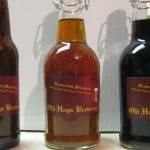 Long considered the innocuous beverage of the masses, today’s beer selections are seemingly endless. Craft brewing has taken a bottle of suds to heights not previously known. The exciting new offerings pair nicely with a wide variety of picnic foods.
Pilsner: The easy sippin’ brew nestles nicely next to salads, fried chicken, smoked salmon or brats. Lemon shortbread or berries with ice cream put a wrap on the meal.
Pale Ale: Burgers, potato salad and cole slaw make for a crowd pleasing all-American menu. The medium weight beer continues performing with a finishing act of pumpkin or lemon meringue pie.
India Pale Ale: The hop-centric brew yearns for spicy and robust dishes to tame the beast. Try Buffalo sauced chicken wings, gorgonzola and cambozola cheeses and carrot cake for dessert.
Porter: The dense, dark beer longs for roasted meats, barbeque or blacked fish. A plate of chocolate peanut butter cookies will seal the deal.
Wine
 With over 26 wineries in the county and California backfilling when needed, choosing the right wine can be both easy and difficult; simply too many choices. Here’s a few suggestions:
Sauvignon Blanc: Not widely grown in the Old Dominion exceptional examples are coming out of New Zealand. A chilled bottle of the light, crisp white matches perfectly with most salads, grilled chicken or lamb and a dessert of Italian ice.
Pinot Noir: The ruby beauty with mouthwatering acidity is a cinch match with roasted pork tenderloin or salmon filets with mushrooms. Consider chocolate-covered strawberries or chocolate mousse for a finishing touch and you’ll have the crowd smiling all the way home.
Cabernet Franc: As Virginia’s red grape you’ll have no problem tracking down a local bottle of this medium weight red that exhibits raspberry and cherry notes on the palate. Almost anything on the grill will work here but pepperoni pizza comes to mind if you are pressed for time in preparing the meal. Cherry cheesecake will have your guests hovering close to the bumper at the end of the repast.
Cabernet Sauvignon: The noble red is a cinch choice if grilled steaks, roasted potatoes and corn on the cob are on the menu. If there is any room left in the tummy, a raspberry or chocolate cake will pair well with the lush red.
And finally, for those folks who like a full throttle adult beverage, have gin and tonic in reserve. The libation will love the company of cold cured smoked salmon, cured meats, strong cheeses and lemon tarts as a closer.
And perhaps the most important part of tailgating is having designated drivers at the ready who will be the partygoers heroes.
Drinking responsibly is the mantra of the tailgate crowd.
Enjoy the fall season!
Published in the Fall 2016 edition of inFauquier magazine.
Fighting childhood cancer one hike at a time
It’s a test of endurance. A rugged, mountainous 21-mile hike in the Dolly Sods Wilderness in West Virginia. In one day.
For the participating hikers the aching feet and sore thighs are a small price to pay knowing they are contributing to a cure for childhood cancer.
Perhaps no tragedy is more painful than the loss of a child. In addition to the arduous walk, some of the hikers carry heavy memories of their deceased young ones as they climb and descend the rolling landscape.

Jim Carson
The spirit and energy behind one of several of these Mid-Atlantic annual adventures is Jim Carson. Carson is managing partner of Carson, Ashley & Associates, an engineering and surveying firm in Warrenton.
He is also founder of a hiking club called Boots ’n Beer. After each hike, members adjourn to a local pub to rehydrate with a brew. The club’s motto, “A drinking club with a hiking problem” underscores the fun and health-conscious theme of the organization.
Three years ago Carson realized his club also held the potential to support worthwhile causes. He created Boots ‘n Beer Charities, a not-for-profit entity, created in part by the loss of his son, Devin, at the age of six from leukemia.
The first charity the hiking club chose to support was CureSearch, a national organization committed to finding a cure for childhood cancers. One segment of the organization’s fundraising efforts is called Ultimate Hike. Carson found a perfect link with his Boots ‘n Beer Charities.
The coach & the hiker
Since his son’s death in 2005, Carson has personally raised over $50,000 in a variety of endeavors to find a cure for blood cancers. But when CureSearch’s Ultimate Hike crossed his path, he and fellow club member, Andreas Keller, became coaches supporting those who wished to undertake the marathon hike.
One of their prized trainees is Annie Gould. To clarify, she was a trainee, but is no longer.
Gould, 60, lives in Barboursville and lost her 14-year-old daughter, Eloise, to sarcoma in 2014. Since her daughter’s death she has raised $250,000 to support a cure search, mostly through walks in the Charlottesville area.

Annie Gould, left, takes a break with fellow hikers.
But Gould loves challenges and when she met Carson their mutual interests sparked a desire to ratchet up her physical endurance goals. She signed up for the grueling Dolly Sods hike and enlisted the support of two other people to hike with her.
Carson and Keller then set in motion a series of increasingly difficult training hikes for the team.
“Annie is amazing. She started out on our first training hike averaging 1.1 miles an hour and successfully completed the 21-mile hike,” Keller said.
All of the hikers regularly met at a central location, then motored together to the Shenandoah National Park to break both a sweat and time trial records.
Last fall her efforts reaped its rewards when she and her hiking teammates contributed $10,000 to CureSearch.
“I’m proud of what I’ve achieved and consider it an honor to be doing something to find a cure. I do it for my surviving daughter, my nieces and nephews. I want to find a cure for childhood cancers and the only way to do it is through more and more research,”Gould said.
With hundreds of people dedicated to Ultimate Hike in the Mid-Atlantic region, Gould’s dream will hopefully be realized in the not-to-distant future.
Today, Gould serves on the Board of Directors of CureSearch in addition to raising money for the charity.
To contribute to Annie Gould’s “Remembering Eloise” team visit: http://www.ultimatehike.com/dollysods/rememberingeloise and follow the Ultimate Hike link.
So how’d they do?
On August 13, 2016 Annie Gould’s “Remembering Eloise” team completed their second arduous 21-mile Ultimate Hike in West Virginia’s Dolly Sods Wilderness Area. Gould’s coaches Jim Carson and Andreas Keller also crossed the finish line.
Given the heat wave that blistered the east coast that day, it was a significant accomplishment, creating over 90,000 foot falls per hiker through the remote mountain terrain.
By participating in the hiking fundraiser Gould and her small team raised $7,000 for CureSearch. The entire 40 registered hikers raised $114,700.
Congratulations to the sore feet brigade!
For information on the CureSearch Ultimate Hike visit: http://www.curesearchevents.org/site/TR?fr_id=1113&pg=entry
Published in the Fall 2016 edition of inFauquier magazine.
National Park Service celebrates 100 years of adventure
On August 25, the National Park Service celebrates its diamond anniversary. President Woodrow Wilson established the NPS in 1916 and charged it with responsibility for protecting 35 national parks and monuments.
Today, the agency oversees more than 400 areas nationwide encompassing some 84 million acres. Nearby Shenandoah National Park is one of the crown jewels of the system.
Fauquier County residents are fortunate to have the federally run park within 40 minutes of their front door. The park has over 200,000 acres of forest, 500 miles of maintained trails, dozens of cascading waterfalls, peaceful backcountry camping and endless valley views.
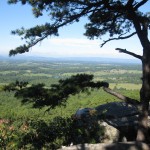 The center piece of the park is Skyline Drive that meanders the ridge line for 105 miles, from Front Royal to Waynesboro. The iconic Appalachian Trail parallels the Drive offering both vehicular or boot traffic the opportunity to step back in time and experience the mountains as the early pioneers did.
While hikes such as Old Rag Mountain and White Oak Canyon are still on the experienced hiker’s favorite list, dozens of other trails are pathways to a peaceful walk in the woods.
When you arrive in the high country, finding your way around SNP is simple. Its trail obelisks and blazed trees easily guide a hiker from trailhead to trail’s end.
There are three color-coded trail blazes: white identifies the historic Appalachian Trail which runs 101 miles through the park; blue pinpoints side trails for hikers only; and yellow welcomes both hikers and horses. The park boundary is identified by red markers.
Boots’nBeer
 Fauquier County has its own organized hiking club called Boots ’n Beer. The seven-year-old club was originally founded as a men’s only organization but has expanded to include everyone, with one caveat.
Pilsner hikes are moderate ventures of about five miles and are open to family and friends. Stout hikes offer greater a challenge of eight to 12 miles and are reserved for men only.
Club founder, Jim Carson, believes working men need to take a regular break from office or field and seek stress relief through camaraderie and exercise.
“A few hours of walking in the woods are the greatest stress relief I know of,” Carson said. “It’s therapeutic and the quickest way to get out of your own head and relax.”
The club’s motto embodies its fun loving approach to the great outdoors: “A drinking club with a hiking problem”. Its whimsical logo depicts a pair of hiking boots, one with a mug handle and foaming beer head and the other lying on its side in a dreamy beer-induced repose.
Nothing is taken seriously here except physical and mental well-being. To join Boots ’n Beer visit http://bootsnbeer.com/.
Oh, by the way, all hikes terminate with a hydration stop at a local pub or brewery for a cold draft and a bite to eat. Need we say more?
Hit parade of hikes
While there are hundreds of hiking options in the Shenandoah National Park, several are perennial keepers. Here are five proven favorites to place on your bucket list. You won’t be disappointed making tracks on these well-travelled trails. So lace’em up!
Old Rag Mountain: One of the most popular hikes in the mid-Atlantic region. The nine mile loop has spectacular panoramic views and offers one of the most challenging rock scrambles in the park.
White Oak Canyon: Some of the best scenic waterfalls in Virginia are on display on this eight mile loop. Be prepared for some serious elevation gain but it’s well worth the perspiration produced.
Dark Hollow Falls: Pressed for time? This stroll of less than two miles will reward with four waterfalls and an easy walk. It’s popular so mid-week hiking is suggested to avoid the crowds.
Stony Man: One of the more secluded loops in the SNP. The ten mile hike provides picturesque views of both the Shenandoah Valley and surrounding mountains. There is a nice swimming hole on the Rose River to cool the motor down on this workout.
Mary’s Rock: This favorite can be approached as either a four mile or nine mile hike. The shorter version starts at the Panorama parking lot and ascends to stunning views in less two miles. The more adventurous can begin in the valley and ascend the Buck Hollow Trail to reach the top.
The Potomac Appalachian Trail Club is a rich resource on what to do and where to go in the park. Visit PATC at http://www.patc.net to purchase maps and guidebooks that will get you safely in and out of the mountains.
For numerous specific hike recommendations, visit Hiking Upward at http://www.hikingupward.com/.
Published in the Summer 2016 edition of inFauquier magazine.
Governor’s Cup wine competition recognizes Fauquier’s best
Forget about traveling to Rio in August to see American athletes score some heavy medal. Gold medals are being poured out of Fauquier County wine bottles daily.
The Governor can attest to it.
 A panel of world-class judges pushed away from their tasting tables in late February and announced the winners of the 2016 Virginia Governor’s Cup wine competition. It comes as no surprise to county wine lovers that five Fauquier wineries strutted off with eight gold medals.
While the competition has been held for 34 years, in 2012 it was restructured to represent the highest standards of professional wine evaluation in the Nation. To be awarded a gold medal 432 wines were evaluated in preliminary rounds with 130 finalists scrutinized by 15 professional sommeliers, chefs, writers and retailers. Only 38 wines were awarded a coveted gold.
The overall winner of the Governor’s Cup was Keswick Vineyards in Charlottesville for its 2014 Cabernet Franc Reserve.
But if it’s a tasty bottle of Fauquier County white or red you are looking to score for a weekend barbecue or guest dinner, look no further than these winners:
Delaplane Cellars: 2013 Williams Gap—Bordeaux-styled red blend
Granite Heights Winery: 2010 Evening Serenade—red blend
2010 Lomax Reserve—red blend
2012 humility—red blend
Naked Mountain Winery: 2012 Petit Verdot–red
Pearmund Cellars: 2013 Chardonnay
2013 Petit Verdot–red
Vint Hill Craft Winery: 2013 Cabernet Sauvignon
Fauquier’s strong showing reinforces the caliber of wine being produced by our winery proprietors. Congratulations to the winners, and all 26 county wineries, for their dedication to the vintner’s art.
But wait, there’s more!
Limiting yourself to just a handful of Governor Cup winners employs the “Let the experts decide” search strategy. But it deprives a wine lover of many other in-county jewels just waiting to the picked from the tasting room vine.
The best approach is to start visiting county vineyards and evaluating the wines yourself. It’s fun and nothing beats the “Oh, I like this one” smile that comes across the face of an oenophile when they discover a winner on their own.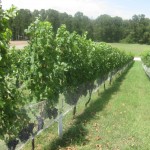
But when the schedule is tight and you want to target some respected wineries, here are a few additional wines that will take you to that summertime happy place.
Arterra Wines: 2014 Malbec
Barrel Oak: 2012 Petit Verdot
Blue Valley: 2013 Viognier
Chateaux O’Brien: 2011 Petit Manseng—full-bodied white
Desert Rose: 2014 Covert Cab
Fox Meadow: 2015 Barrel fermented Chardonnay
Linden: 2014 Avenius Sauvignon Blanc
Philip Carter: 2014 Sabine Hall Viognier
So seek, taste and evaluate on your own. The thrill of the hunt is often more fun than bagging the perfect bottle. Achieving both is wine nirvana.
Cheers!
Published in the 2016 Summer edition of inFauquier magazine.
Craft beer soars to national prominence
In 1979, there were just a handful of craft breweries in the United States. It was also the year President Jimmy Carter signed legislation allowing homebrewing. As the hobby gained traction it became apparent to many newly minted brewers their products might have commercial appeal.
 So what started out as a flurry of home suds-makers turned into an avalanche of one million hobby brewers. That cohort in turn led to a proliferation of professional artisan brewmasters.
But an avalanche? Indeed. From a scattering of craft breweries in the early 1980s, the industry has burgeoned to over 4,200 today. It’s a classic example of free enterprise and entrepreneurial spirit being unleashed by market opportunity.
Moreover, it catapulted the U.S. into the world’s leading craft beer producer. Today, some of the finest beer in the world is being produced in America.
Craft beer has joined forces with artisanal wine and distilled spirits as a growth industry. Across the spectrum of “social lubricants” quality is trumping quantity.
The phenomenon is evident in communities across the country and Prince William County is no exception. Currently there are five county establishments serving fresh brewed beer daily.
So grab your growler or mug and head out to taste the county’s malted barley products.
And as you drain the last drop of your favorite brew, keep in mind Ben Franklin’s in-tavern observation, “Beer is proof that God loves us.”
BadWolf Brewing Company
9776 Center St, Manassas, VA 20110
Creating a line of craft beers that appeal to the
local palate using whole ingredients, never artificial flavors or extracts.
(571) 208-1064
Visit http://www.badwolfbrewingcompany.com/
BJ’s Restaurant & Brewhouse
Fully stocked handcrafted and award winning beers produced
by talented and passionate brewers.
13930 Promenade Commons St.
Gainesville, VA 20155
571- 222-6950
Visit http://www.bjsrestaurants.com/
Heritage Brewing Co
A veteran owned and operated microbrewery
whose goal is to only produce the finest beer made
with the best Ingredients.
9436 Center Point Lane
Manassas, VA 20110
571-358-8463
Visit http://heritagebrewing.com/beers/
Ornery Beer Company Public House
The county’s first brewpub serving meticulously crafted house ales
and lagers paired with a creative menu.
14389 Potomac Mills Rd
Woodbridge, VA 22192
703-490-6400
Visit http://www.ornerybeer.com/
Tin Cannon Brewing Company
A nano brewery creating craft brews on premise
for sale in their own taproom.
7679 Limestone Dr #130
Gainesville, VA 20155
571-248-0489
Visit http://www.tincannonbrewing.com/
Hop to it
Most beer drinkers fall into one of two camps: Those who like a strong hop impact in their beer and those who prefer a more modest touch. The former folks are typically called “hop heads” and wear the moniker with pride. The rest of the beer world often wonders, “How can you drink that stuff?”
But beer without some hop impact would be tantamount to drinking Kool-Aid. Hops are a critical component of any beer. They contain an essential oil with a very bitter flavor. The bitterness counters the sweetness from the malt and creates a balanced libation. It also acts to preserve the brew.
One of the strongest of hoppy beers is called an India Pale Ale. It can contain 60, 70 or even 100 IBUs, or International Bittering Units; an industry measure of hop strength.
Conversely, a pilsner or stout beer will contain 20 to 30 IBUs.
Currently, much of the domestic hop cultivation occurs in Washington State but there is an emerging Virginia hop industry that will be producing some distinctive brews in the years ahead.
Doug Fabbioli, award winning vintner and owner of Fabbioli Cellars in Leesburg, is a nascent hop grower. “It’s a burgeoning industry in Virginia that dovetails well with our labor, agriculture and management practices in the vineyard.
“If we can contribute flavors that make Virginia beer unique, we are very happy to be part of the hop growing industry.”
Fabbioli estimates there are well over a dozen hop growers in Northern Virginia alone.
Published in the Spring/Summer 2016 edition of inPrinceWilliam magazine.
Governor’s Cup wine competition recognizes state’s best wines
A panel of world-class judges recently pushed away from their tasting tables and on February 22 announced the winners of the 2016 Virginia Governor’s Cup wine competition. It will come as no surprise to county wine lovers that five Fauquier County wineries walked away with gold medals.

Toni Kilyk
Granite Heights Winery
While the competition has been held for 34 years, in 2012 it was restructured to represent the highest standards of professional wine evaluation in the Nation. To be awarded a gold medal 432 wines were evaluated in preliminary rounds with 130 finalists scrutinized by 15 professional sommeliers, chefs, writers and retailers; only 38 wines were awarded a coveted gold.
The overall winner of the Governor’s Cup was Keswick Vineyards in Charlottesville for its 2014 Cabernet Franc Reserve.
The Fauquier County winners were:
Delaplane Cellars:
2013 Williams Gap
Granite Heights Winery:
2010 Evening Serenade
2010 Lomax Reserve
2012 humility
Naked Mountain Winery:
2012 Petit Verdot
Pearmund Cellars:
2013 Chardonnay
2013 Petit Verdot
Vint Hill Craft Winery:
2013 Cabernet Sauvignon
Fauquier’s strong showing reinforces the caliber of wine being produced by winery proprietors. Congratulations to the winners—and all county wineries—for their dedication to the vintner’s art.
Note: Effinghman Manor’s opening has been delayed pending Prince William County approval. A hearing is anticipated in September or October 2016.
Nokesville plantation to offer public access to 249 year-old mansion
This spring the doors of a large, two story, five bay eighteenth-century Tidewater-style home will open to both wine and history lovers.
 The home is in remarkable condition given its Pre-Revolutionary War provenance but an eight man crew is working seven days a week to further provide guests a comfortable venue for sipping wine and exploring the 16 acre property. It is scheduled to open in April.
Effingham Manor was built in 1767 for William Alexander, grandson of John Alexander for whom the city of Alexandria was named. William and his wife Mary spent their entire lives on the plantation raising 16 children. He was obviously a busy man.
Alexander was also a member of the Prince William County Committee of Safety in 1774, Lieutenant Colonel of the Militia during the Revolutionary War and a justice. He inherited the land at age 20 and lived to 70 years-old. He is buried on the property.
It’s believed the estate was named in honor of Baron Frances Howard, 5th Lord Howard of Effingham and Governor of Virginia from 1683 to 1692. The home was built by British convicts exiled to America.
As expected of a property owned by wealthy early Americans, the plantation originally encompassed 42 square miles. The home is surrounded by several outbuildings including a blacksmith shop, former slave quarters, smokehouse and a triple terraced lawn.
After Alexander’s death, the property was divided into smaller parcels. During the Civil war Union soldiers encamped on the land. Weary infantrymen nailed horseshoes to trees and slumbered in hammocks tied to them. There are reports of horseshoes still hanging from nearby ancient trees.
By 1937, the home had fallen into severe disrepair and underwent a major restoration. Electricity, central heating and indoor plumbing were incorporated into the home.
In the mid-1950s, a three generation family of surgeons purchased the then 687-acre cattle farm and resided there until it was sold in 2004.
A developer purchased the property and built large homes on portions of the land. He further restored the manor house in anticipation of making it a wedding venue but went bankrupt before his plans were realized.
Enter the entrepreneur

Chris Pearmund
When the banked-owned property failed to sell, the bankers turned to a familiar name in Virginia wine: Chris Pearmund.
The experienced vintner was offered an opportunity to turn the property into a first class winery while maintaining its historic character.
Pearmund, 54, owner of Pearmund Cellars and Vint Hill Craft Winery and instrumental in operating The Winery at Bull Run has been involved in opening numerous Virginia wineries over last two decades. He immediately recognized the potential of the home.
“Effingham Manor is the 16th winery I’ve been associated with. I call it my ‘sweet 16’ project,” Pearmund said.
The hands-on entrepreneur and his crew are working full-time with hammer and paint brush to meet the April opening date.
The work involves refinishing floors, building a tasting bar in the home, completing restoration of the slave quarters for a second tasting venue, updating lighting systems and installing a $100,000 septic system.
Pearmund, managing partner of the winery, has assembled a group of 15 investors and reached 80 percent of his targeted $2.5 million restoration and expansion budget.
Plans also include building an operating winery on site and planting a vineyard by the fall of 2016. The vintner explains grapes don’t necessarily have to be grown on a winery site but does anticipate a small vineyard of up to 15 acres.
“In Virginia wine you often grow grapes in a different location from where you are selling the wine, especially at closer in suburban type settings. Wine grapes favor rocky, leaner soil with good drainage. Flat, rich farmland favorable to other agricultural products often does not produce the best fruit,” Pearmund explained.
Pearmund, in partnership with The Winery at Bull Run has planted 35 acres of grapes in Rappahannock County that will help supply wine for his new venture.
Meanwhile, he is bottling wine under the Effingham Manor label at his Pearmund Cellars winery in anticipation of the spring opening.
Pearmund is grateful for the opportunity he’s been given to launch another winery on such a unique property. “This is a very rich, historical, and important property. I want to completely respect it and leave it better that I found it.
“I think Effingham Manor will bring a lot of respect to Virginia wine. I want to make it a smaller version of Mt. Vernon or Monticello,” Pearmund said.
Effingham Manor is located at 14337 Trotters Ridge Place, Nokesville. For more information and progress reports on its opening visit http://effinghammanor.com/
Published in the February 3, 2016 edition of the Fauquier Times.
Upscale inn takes luxury to next level
Since 1931, The Mimslyn Inn has been a jewel in Virginia lodging. Situated on a high knoll in the town of Luray with views of the Blue Ridge Mountains, its first guests were pampered in an era when luxury getaways were rare, especially during the Great Depression.
But such was the attraction of the hostelry that it prospered and attracted clientele from around the world. Of course, it didn’t hurt to be situated minutes from the world famous Luray Caverns.
In 2005, the Asam family purchased the inn and undertook an $8 million restoration project returning the establishment to its glory days. The Asam’s knew from lodging and dining having created the successful Bavarian Inn in Shepherdstown in W.Va.

Mimslyn Inn
The Mimslyn’s 45 rooms were historically restored and updated to provide all the amenities expected by today’s vacationers. Fine dining was also a focus since the Asam’s philosophy is “food first.” The inn’s two restaurants serve both hotel guests and the general public year round.
Since 2008, the restored hotel has seen a steady increase in business under the leadership of General Manager Jim Sims.
The fortuitous hiring of Sims occurred because the hotelier was seeking a less stressful working environment after more than three decades in the hospitality business. The resume he brought to the Mimslyn was impressive having worked as a celebrity chef, major ski resort manager, CEO of the YMCA and other restaurant management positions around the country.
“I started as a bellman at Skyland in the Shenandoah National Park and managed the Park City ski resort in Utah among many other jobs. At Park City I had 36 restaurants under one roof,” Sims said.
While the Mimslyn job enabled him to throttle back, he acknowledges it took a serious commitment to manage the inn’s large public spaces available for weddings and other group events. There have been 27 weddings held at the hotel in the last two years alone.

Jim Sims
Sunday brunches have proven successful with both guests and locals. The full service buffet brunch typically serves 150 people each Sunday. “We have folks from Culpeper, Warrenton and Winchester who regularly join us for the buffet,” Sims said.
Unique special events are held once a month. Dinner shows featuring Frank Sinatra, Elvis and other tribute acts are consistently sold out.
The town of Luray has also benefited from his success. In 2004, the hotel generated $27,000 in occupancy taxes. Last year, it totaled $72,000.
In 2011, Sims was named lodging manager of the year by the Virginia Hospitality and Travel Association. Trip Advisor bestows the inn with a 4.5 star rating.
Cottages
In an effort to further provide guests a quality lodging experience, Sims launched a cottage program in 2014. Today there are four cottages and a house for lease behind the hotel.
The six bedroom Manor House comes with a full service kitchen, fireplace, two dining areas that can accommodate up to 20 people, front porch with rocking chairs, pool, and Wi-Fi. The four cottages offer similar privacy and luxury accommodations.
“The occupancy rate of the house and cottages in the summer outpaces the hotel rooms,” said Sims. In March 2016, six additional cottages will be made available. Construction will occur during the winter months.
The cottages will feature a bedroom and living room design with heated tile floors and towel racks, mini kitchens and more. “All the luxuries you would expect in an upscale rental cottage will be incorporated in their design.”
Sims says tourism is up in Virginia and 2015 has been the best year The Mimslyn Inn has experienced. “It will continue. There is pent up demand, especially for visiting the national parks. It’s just the tip of the iceberg. Our guests are both local, regional and national.”
For more information on The Mimslyn Inn, its lodging rates and special events visit http://mimslyninn.com/
John’s pick of the month
Stags Leap Wine Cellars
Artemis
$75 (Circa ’31 restaurant)
The Mimslyn Inn’s wine list is a diverse selection of quality wines. Given that chilly winter winds have begun to blow, a bottle of Napa Valley Cabernet Sauvignon is the perfect match for a December dinner in the Circa ’31 dining room. The wine is fairly priced for a restaurant selection.
International wine critic Robert Parker rated the wine 90 points saying it “offers delicious blackcurrant fruit…an attractive meaty, rich blackcurrant fruitiness, well-integrated wood, and hints of spice and oak. Fleshy and medium-bodied but also made in the elegant style sought by this winery, it should drink well for 10-15 years.”
Published in the January 14, 2016 edition of the Culpeper times.
