
Author Archive
Take a sip of spring water, iced tea, coke, juice or even beer. Does it matter if your container is a bottle, a cup, a can or a tumbler? Not really. The enjoyment of those beverages will be about the same regardless of the vessel they’re drunk from.

Choose Your Vessel Wisely
Now pour quality wine into any of those containers and sip. Wine from a plastic bottle? A coffee mug? A foam cup? An aluminum can? Ewe.
Not to put too fine a point on the question, but doesn’t wine seemingly desire the comfort of a wine glass to bring forth all its allure? Of course.
Wine glasses today are the culmination of hundreds of years of evolution and range in cost from a few dollars to over a $100 apiece.
From its earliest development as a favored beverage, wine drinkers almost instinctively sought unique containers to sip their precious liquid from. Starting with animal horns and then evolving to receptacles of leather gourds, clay pottery, shaped copper, silver, pewter and gold chalices, wine vessels sought to showcase the special libation contained therein.
In 50 AD, Pliny the Elder, a noted author and scientist of his time, recorded that glass was emerging as the esteemed vessel for holding wine. Glass was one of the most advanced technologies in Roman times and was rare and expensive.
It would be centuries later, however, before the wineglass achieved broad practicable use. The vessel was perfected in Venice, Italy around 1000 AD and two centuries later, Venice had evolved into the glassmaking capital of the known world. Venetian glass artisans slowly spread across Europe introducing the vessel to the rest of the globe.
In early 1600s, commercial glass production exploded in England. English glassblowers perfected a sturdier type of glass and another major wine advancement occurred when the wine bottle began being produced on a wide scale. With the advancement of manufactured glass, both the wine glass and the bottle catapulted wine to greater popularity.
There are three components to a wine glass: the bowl, the stem and the foot. The design evolved to emphasize important aspects of wine enjoyment. The bowl captures the aromatics, and the stem offers an unobstructed view of the liquid while keeping fingerprints and body heat away from the wine. The base provides a sturdy platform upon which the libation can rest without fear of a tumble.
There are four basic designs with many variations; each is shaped to showcase a particular type of wine.
Champagne Glass: Tall, narrow and elegant looking, the shape helps emphasize the bubbles upward circulation, a key element in the visual and tactile enjoyment of a sparkling wine. The narrow bowl also limits air contact, reducing the oxidizing effect while keeping the wine cold, an important characteristic for champagne’s enjoyment.
 White Wine Glass: The design is tall and somewhat narrow with a smaller “tulip” shaped mouth to preserve the crisp, clean flavors of white wines. The shape affords more protection from oxidation and somewhat restricts the ability to swirl, a function less necessary than with reds. The shape of the bowl also directs the wine toward the front of the mouth, enhancing flavor perception.
Red Wine Glass: A larger bowl increases the ratio of wine to air providing for greater aeration and thus oxidation. The wider bowl also facilitates swirling that releases more aromas and flavors and directs the wine to the back and sides of the palate, an area of the mouth better suited to experiencing red wine flavors.
Dessert Wine Glass: This glass is smaller in size so as to direct the wine toward the back of the palate, reducing the sweetness perception, which is greatest at the tip of the tongue. Since these wines are usually higher in alcohol, the smaller size also telegraphs the need to reduce consumption and sip slowly while the dessert is being enjoyed.
The amount of wine poured in a glass should range from one third to one half. Greater amounts reduce the aromatic impact since the bowl does not have sufficient space to retain the easily volatilized aromas.
Most average glasses are made of simple glass. The more expensive vessels are crafted with crystal and are quite thin. The thinner the bowl the more pleasure that can be derived from the wine since there is more wine to mouth contact, lessening the feel of thick glass resting against the lip. Unfortunately, these beautiful, thin and expensive glasses are also very susceptible to breakage. To address this concern, some manufactures today produce elegant glasses fused with super-strong magnesium that create a highly durable, break resistant receptacle.
Unlike commercial wineries, personal glasses should generally be free of designs and etchings to better display the wine. And, when made of crystal the romantic and gentle “ring” of two glasses meeting in the harmony of a toast brings even further enjoyment to a dining experience. To entertain dinner guests during a lull in the conversation, take a drop of wine and apply it to the rim of a crystal glass. Then firmly rub the entire top edge of the bowl with the tip of your index finger several times. In a moment or two you will hear wine angels softly singing. Sweet.
One of the most well known producers of high quality wine glasses is Riedel. The firm has a storied tradition dating back to its founder, Johann Christoph Riedel, born in 1678 in Northern Europe. For eleven generations his family has produced exceptional, hand blown crystal stemware. The glasses—with dozens of different styles available—are designed to direct wine to specific areas of the mouth and have been proven in blind tastings as having the ability to showcase the best attributes a wine has to offer.
 Robert M. Parker, Jr., an internationally acclaimed wine critic and also known as the Emperor of Wine states, “The finest glasses for both technical and hedonistic purposes are those made by Riedel. The effect of these glasses on wine is profound. I cannot emphasize enough what a difference they make.” Of course, that profound experience can cost over $105 per glass, so let’s hope it does take us to places we have never been wine-wise before.
If the expense of investing in quality stemware seems extravagant, consider purchasing a couple of all-purpose, crystal glasses. Such stemware is available beginning in the $15 apiece range. Then, test the impact of your favorite wine in both a simple wine glass and the more expensive crystal one.
Much effort goes into the hunt for a reasonably priced bottle of quality wine. Make certain you are extracting all the pleasures therein by sipping your prize from a quality wine glass. The vessel matters.

Published in the Culpeper Times December 23, 2009.
CHATEAU O’BRIEN
AT NORTHPOINTE
2006
Northpointe Red
$24
 Proprietor Howard O’Brien and winemaker Jason Murray have crafted a distinct red blend of 45% Cabernet Sauvignon, 45% Cabernet Franc and 10% Tannat. The wine opens with a “smell the taste” aroma of cherry, spice and mint and follows on the palate with black cherry, a dash of licorice and a soft spice finish. This fourteen-month French oak aged, rich-bodied red is nicely matched with a winter repast of rosemary lamb chops and rice pilaf. Drink now through 2012.
Chateau O’Brien is located at 3238 Rail Stop Road, Markham, VA, just off I-66 West at Exit 18. The winery, with its eye-catching deck view, is opened Thursday through Monday, 11 AM to 5 PM. (540) 364-6441. www.chateauobrien.com
A fading part of Americana is the rural grocery store.
Over the last decade, numerous establishments that had been an integral part of the Virginia landscape have shuttered their doors. Declining business and competition from the major chains have seemingly rendered these stores obsolete.
The loss of small locally owned and operated grocery stores impact rural communities and its citizens in far reaching ways. The demise of these retail outlets can result in a diminution of community contact and spirit. And, in an era when the term “carbon footprint” is constantly invoked, the price for families who can no longer shop locally can be costly in terms of wasted fuel and time.

Orlean Store
Peter McMurray, the new owner of the Orlean Store, believes such shops can be relevant and profitable if owners listen to their customers and provide a venue for the sale of locally grown products.
Orlean is the quintessential small village situated in the heart of Virginia’s Piedmont country with sweeping views of the Blue Ridge Mountains. The town is located about 15 miles northwest of Warrenton and was established in the early 1800s. It was named in honor of Andrew Jackson’s defeat of the British at the Battle of New Orleans in 1815.
McMurray is an entrepreneur with a host of successful businesses on his resume’. Among his more unique ventures was the development of one of the first eCommerce businesses in the country, called PC Flowers. Created in 1989, the business sold flowers nationwide via the embryonic Internet system. He then shifted gears and purchased and operated a major marina located near the Outer Banks in North Carolina. His early career involved stints with IBM and Boeing Computer Services.
In 2002, after selling the marina business and moving to Flint Hill, VA his wife was diagnosed with terminal cancer. After her death, McMurray led a quiet life, looking for an opportunity to express his instinctive drive to own and operate a business.

Brenda & Peter McMurray
During this period, he also fell in love again. After a courtship of a few years, he married Brenda, who had run a successful grocery store in Manassas. Together they began looking for a business they could build as a team. Enter the Orlean Store.
The Orlean Store is located in a 1850s era building at the corner of Routes 688 and 732 in Fauquier County. The market had served the community for many years but its last owner, feeling the same pressures as many rural groceries, closed the business in the early part of 2009. Peter and Brenda were shown the property a few months later and immediately saw its potential. After an extensive clean up and refurbishing of the premises, they opened for business in June.
The community’s response to the new ownership was immediate. In addition to standard grocery items, the market has a deli featuring quarter pound hamburgers, sandwiches, homemade soups, and fresh baked breads and pastries. Custom blended coffee—both brewed and ground—is also available, a particularly attractive draw for the village residents.
“We’ve experienced business growth each month we’ve been opened. We are now generating up to 200 transactions a day,” states McMurray. Realizing the potential for sit-down eating, the store opened a small dining area and a patio for warm weather dining out.

Dining Area
Supporting Virginia food producers is high on McMurray’s agenda. The store features a host of products, including chutney, cheese, roasted coffees, honey, jellies, elderberry drinks, syrups and wines. “Virginia food products are of the highest quality and we are proud to showcase them in our store,” his says. A particularly tasty example of such support is his Wednesday evening wine tastings featuring Virginia wines, plus California and international bottlings.
The community’s embrace of the market’s unique weekly dinners has been particularly gratifying for the McMurrays. The couple knew they did not have the capability to open a full-time restaurant in addition to operating the market. Yet, they wanted to offer their customers a dining out experience. The answer was weekly dinners with a one-menu entrée. “We feature one dish every Thursday such as crab cakes, chili or lasagna and price it from ten to fifteen dollars a plate. A glass of wine runs around five dollars,” he says.

Patio
The community response was startling. The first dinner hosted 16 diners. It then jumped to 25, then 40, and then 70. One Thursday in early October saw 92 guests enjoying the crab cake special. If it weren’t for the warm weather and the patio’s availability, the market would have been pressed to handle the crush of diners.
The dinner concept became such a local favorite the dining area was expanded. It is expected dinners will soon be offered two days a week, Thursdays and Saturdays. For those interested in a unique dining out excursion, the kitchen opens at 5 PM each Thursday. And while reservations are not accepted, no one has yet been turned away nor had to wait for a seat.
Beyond the sale of food and drink, one of the more important benefits of the market’s rebirth is the installation of functioning gas pumps. The nearest gas station is over five miles away but the previous owner had ceased selling gas due to the expense of replacing the antiquated pumps. McMurray knew the restoration of fuel service would be most welcomed by both residents and visitors. And indeed, it has.
 One of the more telling aspects of rebuilding a retail business in a village setting was the decision on how to handle tips. “In the beginning, some customers would leave change on the counter as they purchased their food orders. To neaten things up, I set out a bowl for the tips. But, both Brenda and I were not comfortable with the tip jar concept. Brenda suggested we donate the money to the Orlean Fire Department. It was a great idea. We are now averaging $300 to $500 a month in contributions for the department,” McMurray states proudly.
And whom might the store’s clientele include? “I love our customer mix. We have local farmers, city commuters, estate owners, tradesmen, touring motorcyclists, bicyclists, and visitors enjoying a ride in the country. It’s gratifying to see so many different folks supporting our business,” McMurray states.
All of this begs the question; does the rural grocery store have to be a victim of twenty-first century progress? Or, might its future lie in recognizing what a community wants and then serving those needs.
If you’d like to cast a vote for the future of yesterday, stop by the Orlean Store and grab that gallon of milk, sandwich, cup of coffee or a bottle of wine. Peter and Brenda are waiting to say hello.

Where is the elusive, quintessential American small town located? Might it be in a quaint Virginia village lying in the shadow of the Blue Ridge Mountains, with a parade thrown in to seal the deal? How’d you guess.
 On Sunday, December 6, the town of Washington, VA held its 5th annual Christmas parade, replete with the US Army’s Old Guard Fife and Drum Corps, strutting horses, prancing llamas, tail wagging dogs and their beaming owners, the mayor and his wife riding in a 1926 Cadillac, and floats and children galore. The event was a magical mystery tour.
Even the proprietor of one of the world’s finest restaurants, Chef Patrick O’Connell, owner of the Inn at Little Washington, was seen riding on a float.
Yep, this parade had it all.
 But wait, there’s more. Santa was spotted at the town market handing out gifts to children, both naughty and nice. Of course, all children in Rappahannock County are born nice and never change. The event also showcased the county’s artists at the community theatre, where handmade jewelry, dulcimers, ironwork, baskets, pottery, Christmas ornaments and other crafts were for sale.
Rappahannock Cellars was privileged to pour wines at the Artisans’ Market for the event’s attendees. I shared sips of our Chardonnay, Cabernet Franc and Meritage to appreciative parade aficionados, and sold bottles of wine to folks realizing they were in need of a libation for their evening meal.
The Washington Hospitality and Visitors Association sponsored the day’s events. If you are looking for a way to jump-start your Christmas spirit next year, consider attending the town’s annual parade.
It’s a gift you’ll be giving yourself.

VOLUNTEER: a person who freely offers to take part in an enterprise or undertake a task.
As with any dictionary definition, the word is accurately described but leaves us with an image that’s dry as day old toast.
…take part…enterprise…undertake…task.
Yawn.
Now, paint a word picture of a mountain trail volunteer: A forest lover who blissfully wanders along an assigned wooded path on a glorious early December afternoon, removing any fallen branches or unruly undergrowth that may slow a passing hiker.
Ahhhh…is that a volunteer or just a lucky guy? Actually, both.

Intersection of AT & Upper Thornton River Trails
Yesterday, I performed one of my more pleasant tasks. I cleared my section of a blue-blazed path, the Upper Thornton River Trail, located in the North District of the Shenandoah National Park. I get to perform this assignment several times a year. And they don’t charge me for the privilege.
The history of the Eastern Seaboard trail systems dates to 1927 when a group of ardent outdoorsmen conceived and created the renowned Appalachian Trail, a 2,175 mile foot path extending from Springer Mountain in Georgia to Mount Katahdin in Maine.
Today, the gift these trail pioneers gave us is enjoyed by everyone who seeks the beauty, exercise and solace of a walk in the woods. A better antidote to the hectic stress of Twenty-First Century America is hard to find.

Appalachian Trail
Maintenance of the Appalachian Trail, more commonly know as the AT, is divided among thirty volunteer organizations extending its entire length. In Virginia and Maryland the Potomac Appalachian Trail Club is responsible for 240 miles of the white-blazed AT and over 700 miles of side trails. The section I maintain, a blue-blazed side trail, is a short, steep accent that connects Skyline Drive with the AT, which runs the ridge of Knob Mountain.
In addition to my trail work, I am fortunate to assist with a civil war cabin restoration project, also sponsored by the PATC. If you are looking for an enjoyable outlet for your volunteer urges, consider joining the over 6,000-member volunteer-based organization.
Your reward will be the natural highs you’ll experience in preserving our valued mountain hiking trails and its shelter & cabin system.

Take a guess. How many air cells in one wine cork? A thousand? Ten Thousand? A million?
Let’s just round out the number at 800 million.
 Indeed, 800 million, fourteen-sided air cells are contained in each cork used to seal a wine bottle. And that’s only the beginning of the marvelous attributes of a closure that has been in use for over three hundred years.
The first person to observe air cells in a cork was Robert Hooke, the English inventor of the microscope. Around 1662, taking a thin slice of cork, he slipped it under the lens of his new 50x magnification instrument. “I could exceeding plainly perceive it to be all perforated and porous, much like a honeycomb,” he later recorded. He was so struck by the design he called the tiny structures “cells” because they reminded him of the small monastery rooms that monks slept in. Science later adopted the term and to this day it is the conventional description of the smallest structural and functional unit of an organism.
While cork has been used for various purposes for centuries, its serious application as a wine bottle stopper emerged in the early 1700s. It was a technology so inventive and effective it is still the primary method of protecting wine from the effects of oxidation.
One of the key attributes of cork is its compressibility. It reacts like a sponge when placed under pressure, springing back to 90 percent of its normal size within a day. One can easily observe this characteristic by taking a cork that has been removed from a bottle and setting it aside for a few days, and then trying to reinsert it back into the vessel. It simply will not fit.
When punched cut into a wine cork and inserted in a bottle, it instantly expands and grips the sides of the glass in an almost—but not quite—airtight seal. The discovery of this unique trait allowed wine to age for more than a year, the single most important advancement in the history of wine production.

Cork Oak Tree Bark
Cork is produced from the bark of the cork oak tree, Quercus Suber. Eighty percent of the world’s cork is produced in Spain and Portugal, with remaining forests located in Italy and North Africa.
Over eons the tree has evolved two sets of bark, one living and one dead. It is the outer dead bark that is harvested and used for commercial purposes. This unique double bark trait is believed to be evolutionally in origin. The tree thrives in sandy soil and a climate with little rainfall. Periodic forest fires forced the tree to develop a protective outer bark that can be damaged—or stripped off—without killing the tree. Once again, nature displays its cleverness by creating a useful survival mechanism.

Stripped Cork Oak Tree
The harvesting of cork follows a strict law enforced pattern. For the first twenty-five years, the trees cannot be touched at all. When the first bark harvest occurs, the product is low grade and unusable for wine corks. Another nine years must pass before the second harvest takes place. Yet again, the quality of the bark is not high enough for use as a closure. It’s only at the third harvest that the stripped bark can produce high quality corks. Thus, a tree will be approaching fifty years of age before its product becomes commercially viable for the wine industry.
But being patient has its dividends. The cork oak tree has a life expectancy of 150 to 200 years, generating up to 17 harvests. An impressive example of the production capability of these trees is the Whistler Tree in Portugal. The tree derives its name from the countless songbirds populating its branches. It has been producing cork every nine years since 1820 and will be harvested again in 2010. With its next bark stripping, this ancient beauty will have produced over one million corks.
Cork bark is hand harvested by skilled workers. The bark must be cut so as to not injure the under layer of living bark. Workers use four-foot long, fan-like axes to cut and strip the bark in sheets several yards long and a few yards wide. It under goes sorting by quality and air seasoning for six months. It is then boiled, sliced, punched and sorted by grade. Finally, the corks are polished, a thin film of paraffin applied and bagged with sulfur dioxide gas to protect them from spoilage prior to the bottling process.
Because of a growing problem in the 1980s with “cork taint”—a fungus that can contaminate wine with a musty aroma and mute its flavors—the leading manufacturers are increasingly using additional proprietary treatments to eliminate such contamination. The rise of this plight is what precipitated the creation of the screw cap phenomenon worldwide. Cork producers are now claiming the problem is under control.
Just as pork producers claim every part of a hog is used except its squeal, so it is with cork. Any remaining cork from the production process—called “blocker waste”— is granulated and used in a wide variety of products; including gaskets, tiles, bulletin boards, fishing rod handles and decorative items. Cork has even been used in the nose of the NASA space shuttle.
 For many wine lovers, the romance of enjoying wine is closely linked to the use of a cork to seal the bottle. The scene of a waiter approaching a dining table, presenting the wine and then quickly snapping open a screw cap seems somehow a bit too modern for their taste. It’s not often one encounters a technology in use today that was first introduced over 300 years ago. But perhaps within the next decade, the future—or demise—of the natural cork closure will be resolved by the power of the marketplace.
Nonetheless, there are legions of wine lovers who do not want to toss their beloved wine openers away. Their fervent hope is the next generation of enophiles will not be buying corkscrews in antique shops.
May the cork live long and prosper.

Published in the 2009 Winter edition of the Virginia Wine Gazette.
GLEN MANOR VINEYARDS
2007
Hodder Hill
Virginia Red Wine
$28
 Owner Jeff White calls himself a vigneron, French for vinegrower. It’s a title that emphasizes the growing of high quality fruit with minimalist handling in the cellar. His ’07 Hodder Hill is a Bordeaux-styled blend of four reds. From its deep garnet hues to aromas and palate of black cherry, coffee and mint, this wine reflects the care taken in tending the vines. Pair with slow-roasted beef rib roast with dry mustard marinade and twice-baked potato. Drink now through 2012.
Glen Manor Vineyards is located six miles south of Front Royal at 2244 Browntown Road. The Vineyard’s property lies at the base of the Shenandoah National Park and offers visitors dramatic views of open farmland, vineyards and forest that arc up to Skyline Drive. The tasting room is opened April through November, Wednesday to Saturday, 11 AM till 5 PM, and Sunday Noon to 5 PM. December through March, Saturday & Sunday hours only. (540) 635-6324. www.glenmanorvineyards.com.
 Displaying flavors of clementine and candied grapefruit peel, with touches of dried apricot and pine needle. Hints of honey and smoke weave through the seamless texture and resonate on the long finish.
All that in a sip of wine? Come on, get serious.
One can be forgiven after reading many of today’s wine descriptions, if a giggle is followed by a low muttered, “Yeah, right”. It’s difficult to believe that anyone could actually taste the exotic things they purport to write about. It all seems a bit too froo-froo.
Most of us do not focus on the subtle flavors in food and drink. Our descriptors fall more along the lines of…juicy, stale, spicey, dry, or hopefully, delicious. The art of tasting—and yes, it’s an art—is largely a learned skill. But, like world-class athletes, there are world-class tasters that are endowed with gifts most of us do not possess. The pros learn the game just like us amateurs. But as their skill sets deepen, they leave the rest of wondering, “How do they do that?”
There are four basic tastes we all perceive on the palate: sweet, salty, bitter and sour. More recently, a fifth taste component has been identified called “umami”, a Japanese word meaning meaty or savory. Overall, our taste buds provide us little information unless combined with our sense of smell, which can distinguish a startling array of aromas. This occurs when food or drink is volatized in the mouth and the “odorants” drift over our olfactory bulb, located at the top of the nose.
 A sip of Cabernet might start out as a bit sweet and bitter and then blossom into black cherry and smoke as it passes over our olfactory epithelium. From there it sends messages to our brain to confirm the aroma as specific flavors. Taste and smell work together to create our perception of flavor.
It’s here the professional sommelier parts company with the weekend wine warrior. Science has confirmed that there are three categories of tasting ability: non-taster, taster and supertaster. An individual can actually be identified by category using a scientific method involving 6-propylthiouracil—or PROP—a drug used to treat thyroid conditions. The test involves applying a strip of paper soaked in PROP on the tongue and recording the taster’s reaction. A quarter of a given population tastes nothing at all, and are classified as non-tasters. Fifty percent observe a bitter taste, and are categorized as tasters. The final twenty-five percent react with an intense bitterness on the palate, these are the supertasters.
So while our palates convey only the most basic of tastes, it’s the density of taste buds on the tongue, combined with individual aroma sensitivity that produces super tasters.
 Unfortunately, the PROP test is not available to the general public, since it’s a prescription drug. But, there is a simple method that can give you a general idea of what category you fall into. Simply place a drop of blue food dye on a paper towel and gently rub it across the front of your tongue to create a pale hue. Then, using a magnifying glass, look into a mirror and count the number of pink dots in a circular area about a half-inch in diameter. The dots are fungiform papillae that house taste buds and will not take up the blue dye. If you have fewer than 15 dots, you are likely a non-taster; fifteen to thirty-five, a taster; and more than thirty-five a supertaster.
One of the most notable examples of a supertaster is the world renown wine critic, Robert M. Parker, Jr., known as The Emperor of Wine. So acute are his senses he has repeatedly demonstrated the ability to identify the varietal, producer and vintage of a wine tasted blind, and often one fifteen years old or older. His nose is insured for over a million dollars.
Beyond the innate abilities of a supertaster to identify wine flavors, two additional attributes come in to play: repetition and memory. Professional wine tasters take their natural gifts to a higher level by constantly tasting new and different wines, and by instinctively memorizing the aromas and flavors they encounter. It’s here where the pros leave a vast majority of average tasters in the dust. By committing to memory an array of flavors, a sommelier can accurately identify the tastes in a wine with just a few sips. It’s analogous to a computer searching its hard drive for data. Whirrrrr…compute…data dump, equals flavor descriptors.
 So how might the average person increase their ability to smell and taste wine with some degree of accuracy? First, don’t evaluate just wine, test taste a variety of food and drink. If you have just sliced a lemon for your iced ice tea, take a moment to deeply inhale the lemony aromas. Then squeeze a few drops of the juice on your tongue. Next, sip the unsweetened tea and feel the puckery tannin impact.
Repeat this process several times a week with a variety of food and drink. Try to imagine what the smell and taste is going to be and then confirm or correct your initial perception with an actual sniff and taste. Slowly you will begin to build a repertoire of impressions that will be useful in wine tasting. This should all be done with a sense of fun and when you are in the mood. Sniffing everything that is about to go into your mouth will only earn you odd stares from your friends and family.
Next, remember there are two types of wine enjoyment: tasting and drinking. The majority of wine lovers simply drink wine. Nothing to criticize here. But, by segmenting each wine experience into two phases your can improve your perception skills. A useful exercise is to first read the winery’s tasting notes, or the back label description. Then, pour just an ounce in your glass and see if you can conjure up the same or similar flavors as the winemaker perceived. Each bottle of wine you open now becomes a mini-tasting class lasting just a minute or two. After observing the flavor profile, relax and simply start drinking the wine.
A valued lesson in life is that over time we come to recognize many of our our dreams and goals must be channeled into other areas, as reality clarifies youthful expectations. And so it is for the wine lover. Most of us will not achieve the ability to identify wines tasted blind by varietal, producer or year with any consistency. But, so what? We can marvel at those who can and enjoy the process of learning more about wine simply one sip at a time.

Published in the 2009 Winter edition of the Virginia Wine Gazette.
It all started in a humble home in rural India over forty years ago.
And today, the fruit of a life’s work is literally growing in a meticulously cared for vineyard in the heart of Rappahannock County. The American dream lives.
 On Labor Day Weekend 2009, one of the newest wineries in the Old Dominion—Narmada Winery—opened its doors. Actually, it opened its lakeside cabana while the finishing touches were made to its tasting room. The state of the art 8,000 square foot wine cellar and tasting bar began serving the public in late November.
The fifty-one acre estate, with fifteen acres planted in hybrids and vitis vinifera grapes, is a dream in progress for Sudha and Pandit Patil. The professional couple will ultimately transition their current careers into full time wine proprietors somewhere down the road. But for now, juggling the demands of a new winery while leading active business lives precludes the idea of the traditional golden years retirement. There’s more to be accomplished.
The Patil’s story is emblematic of what a belief in education and a commitment to achievement can produce.
When Pandit was a seventeen-year-old graduate from high school, the Dean of the University of New Mexico was serendipitously traveling through his village in India. It was brought to the educator’s attention that an exceptionally bright lad was considering a career in engineering, at the behest of his father. An invitation was extended to visit with the boy’s family.
Pandit vividly recalls preparing for the important guest’s arrival. “We had no chairs in our home, only an adobe floor, and did not want this important man from America to sit on the hard surface. So we cast about the village and borrowed enough chairs to host the Dean in a more formal manner.” The visit went well and the young student was invited to apply for a scholarship at the university. Nine months later he received a National Science Foundation full scholarship in mechanical engineering.
Shortly after his educational success, his mother began writing him a standard letter with the theme, “Enough education. Come home.” Mom wanted her son to marry and begin his life. Pandit agreed to return to India. “Normally, the courting process in India involves evaluating several girls and deciding which one is best. In my case, the first young lady I began seeing was seventeen-year-old Sudha and I looked no further. It was the best decision of my life. She is a jewel,” he states lovingly.

Sudha and Pandit Patil
Sudha soon shared her own dream with Pandit of becoming a dentist, and the young married couple returned to America. Within a few years, Sudha had graduated from Georgetown School of Dentistry and then the University of Maryland, earning a master’s degree and Certificate in Endodontics (root canal specialty). She opened a practice in McLean, Virginia and for twenty-four years served the dental needs of a clientele that included high-ranking government and private sector leaders. Today, her practice is in Culpeper to be closer to the winery and reduce her commute time.
This wine loving couple has two children with successful careers of their own. Their son, Dr. Susheel Patil, is an Associate Professor at Johns Hopkins School of Medicine and practices pulmonary medicine and critical care. He conducts research in sleep apnea. Their daughter, Mrs. Prema Patil Sharma, holds a degree in chemical engineering from Virginia Tech and is a program manager at a major biotech company.
The Patil’s purchased their property in 1999 and planted their vineyard and a cherry tree orchard a few years later. In addition to grape wine, plans are to produce a cherry dessert wine when the trees mature. The tasting room has an expansive, wraparound deck that overlooks the vineyard and a lake; wine and scenery are brought together to assure guests a relaxing environment. Their private residence sits on a gentle ridge at the back of the property with a sweeping view of the entire landscape.

View from the Narmada Deck
Dick Manuel, an architectural design professional who resides in Rappahannock County, designed all of the buildings on the site. “Dick has done a great job creating a harmonious feel to the property, both structures and landscape,” states Pandit. The view from the deck attests to his skills.
Sudha and Pandit want to embrace the best of Virginia wine country while simultaneously linking it with their Indian heritage. Their marketing motto is: Experience India…Taste Virginia. The tasting room will feature a range of hors d’ oeuvres, including Indian cuisine, paired with their wines. For example, the off-dry, crisp and clean ’08 Mom Chardonel goes nicely with spice influenced Indian fare. A gift shop is also incorporated into the tasting room, featuring clothing and jewelry from India and other regions. A stage will accommodate a range of musical groups that will perform throughout the year. Along with Indian articles, they plan to carry items crafted by local talents.
Sudha, with a degree in chemistry, is a burgeoning winemaker herself; she made wines with their estate grapes during 2008 at Barrel Oak Winery with the help of Tom Payette, a wine consultant. Recently they hired Rob Cox, an experienced professional who worked at La Grange Winery before embracing the opportunity at Namada. His wines include Vidal Blanc, Chardonel, Chardonnay, Viognier, Cabernet Franc, Chamboucin, Cabernet Sauvignon and others. Current production is 1,700 cases annually with an ultimate goal of 5,000 cases. Sudha works closely with Rob in the production of their commercial bottlings.

Star of India
Narmada Winery is a unique addition to the Virginia wine scene. The winery reflects what can be accomplished when talent and industry converge. Moreover, it showcases a heritage known for its beauty and artisan skills. America’s strength lies in its cultural diversity and now Virginia wine lovers have been given with their own Star of India…a wine sapphire extraordinaire.
Published in the 2009 Winter edition of The Virginia Wine Gazette.
 The scene is bare and forlorn. The wind whistles, the rain falls and here and there a lone leaf ripples on a vine. A harvested vineyard is lonelier than a car up on blocks.
It seems its joy has taken refuge inside…inside tanks, barrels and carboys where the nascent wine is gurgling and bubbling its way into next year’s bottles. All matter on this planet simply evolves from one form to another. And in the case of grapes it’s a beautiful transition…fruit to wine.

Chardonnay Undergoing ML
The general consensus is that this year’s crop is sound and will produce quality wine. Rain, something a vintner doesn’t like to see during harvest, fell in various amounts during the middle of the red vendange. The white harvest was relatively dry and saw some exceptional fruit brought in. Overall, it was a solid crop.
At Hagarty Cellars, all my wines are either quietly sleeping or proceeding through ML. I had an opportunity to procure some California North Coast Cabernet Sauvignon this year. But, the pH and tartaric acid levels were somewhat unbalanced. Rather than put the wine through ML and lose some of its character, I have chosen to emphasize its fruit forward aspects and blocked the secondary ferm from occurring. This technique comes with a certain element of risk. One does not want a malolactic fermentation to occur in a finished bottle—unless of course you’re after cloudy and fizzy wine. Thus, I will extend age the Cab and treat it with sufficient levels of SO2 to avoid such a pitfall.
On the other hand, my Petit Verdot, almost black in color, is gently perking its way through ML, a process that can take several weeks, even months, to finish. Ditto my Cabernet Franc.
Many of my whites are finishing up ML and in a few weeks I will rack, or siphon, the wine off its lees, or dead yeast cells. Then, a protective shot of sulfur will be added and I’ll haul the six-gallon carboys up to my garage. There they will sleep in the chilly air for three months as the wine cold stabilizes. If I did not take such action, and bottled the wine in May, as soon as I stuck a finished bottle in the fridge it would begin to precipitate “wine crystals”, or tartrates. While not a flaw, most wine drinkers are not enamored with the unsightly but harmless crystal shards lying at the bottle of a bottle or glass.
The months ahead are a quiet time for a home winemaker. Other than an occasional racking of a carboy, it’s a period of maturing for the baby wines. Of course, the fun part is all those test sips I’m required to perform during the long winter months.
But hey, it’s all part of making wine.

The statistics are impressive.
- Wine consumption in the United States has risen 30% in the last decade, extending a fifteen-year trend of consecutive annual growth.
- An anticipated 3.7 billion bottles—yes, billion—will be sold stateside in 2009, making the United States the largest wine-consuming nation in the world.
- 70 million “millennials”—the population between the ages of 21 and 30—are the fastest growing segment of wine drinkers. And there’s no sign of their thirst slacking.
- Virginia is the fifth largest wine producing state in the USA, boasting over 150 wineries, up from just one in 1972.
Clearly, wine is on the ascendancy worldwide and especially in America. And, like weekend golfers tempted to purchase any club touted to lower their handicap, wine lovers are always on the prowl to find ways to enhance the enjoyment of their favorite beverage.
Let’s take a look at the most popular and latest vino accouterments—or more appropriately, wine toys—that are being marketed to enophiles everywhere.
WINE PRESERVATION SYSTEMS
Air is the enemy of wine. Once a bottle is opened and not finished, it begins a slow deterioration in aroma and flavor due to oxidation. The good news is it’s always safe to drink. With its combination of alcohol, acids and tannins, wine can safely be consumed even after losing its tastiness. But why would you? Life’s too short. Enter the preservation systems.
Keeping air at bay can be accomplished in a number of ways. Here are a few such items from the least expensive to “check your portfolio” before buying.

Vacuum wine pump
· Vacuum Pumps: These simple devices come with rubber stoppers and a hand held pump that enables you to remove air and create a protective vacuum with a few quick pumps. Priced around $12.
· Inert Gassing: These items include cans of carbon dioxide, nitrogen or Argon that you squirt into a half empty bottle, laying down a layer of protective gas. More elaborate units require the bottle to be placed in a stand-alone unit that automatically gases and seals it. Prices range from $10 to $400.
But, let the buyer beware. There is some disagreement among the aficionados as to how useful these processes are in extending the life of a wine. In any instance, preserved bottles should be drunk within 6 to 10 days. After that, even the preservation systems don’t do much to protect the wine from oxidation.
One no-cost way to help preserve your half drunk bottle is to refrigerate it. Cold temperatures slow down oxidation for both white and red wines. If you have more than one bottle opened after a party, consider blending. After a test taste of the potential blend, pour one wine into another half full bottle and recork it. Blending rarely harms flavors if they are of similar varietals and can be a fun way to play “winemaker” for a day.
DECANTERS
After discussing how excessive air can harm wine, it must be revealed that small amounts of oxygen can enrich a just opened bottle. This process is called decanting. It’s usually reserved for red wines.
Whenever someone swirls a glass of wine before sipping they are aerating the wine. Decanting, on the other hand, is intended to separate any sediment that has formed in the bottle. However, most wines today throw very little sediment and decanting is more often used to promote aeration and develop deeper aromas. Unlike an opened bottle that sits for several days and goes bad, a wee bit of oxygen introduced into a freshly uncorked bottle releases aromas and flavors, enhancing the wine’s character. Here are some items used to accomplish this effect.

Crystal Decanter
· Decanters: The array of sizes and shapes of decanters is impressive. From a simple glass carafe’ to a beautiful Waterford crystal vessel shaped like a swan, the size and form of decanters is seemingly limited only by one’s imagination. After a bottle is opened, the wine is poured into such a vessel and allowed to sit for about twenty minutes before drinking. As an alternative, an inexpensive way to decant is to simply pour the wine into a pitcher and immediately return it to the bottle. Decanters range in price from $40 to $300, depending on quality and design.

Vinturi Red Wine Aerator

Small Wine Cooler
COOLERS
Most wines today are produced to be consumed young. They are vinified in a fruit forward and easy to drink style and are usually drunk within a few years of their release. Such wines rarely need extended aging. Nevertheless, laying down even inexpensive wines for short periods protects your investment, modest as it might be. And high quality wine can clearly benefit from extra years in the bottle. This is the reason for the growing popularity of temperature-controlled coolers.
· Counter Top Coolers: Designed to hold approximately 6 to 18 bottles, these units are ideal for the casual drinker. Like the more expensive models, they are temperature and humidity controlled and safely keep wine from damaging light and heat. They are priced from $100 to $150.
· Stand Alone Coolers: For the more serious wine lover, these wine protection units are both functional and aesthetic and equipped with digitally controlled temperature and humidity controls, adjustable shelves, UV safety glass doors, interior lightning and door locks. They can hold from 30 to 500 bottles. Expensive wines can rest easy when stored in these units. Prices vary widely depending upon size and features and range from $500 to over $5,000.
In addition to these wine accessories, there are numerous other products designed to enhance the enjoyment of wine. Among the more popular are: delicate and very expensive crystal glasses; strong and break resistant titanium-based stemware; a variety of opening devices ranging from the simple corkscrew to gas operated removal systems that gently push the cork out of a bottle; fancy carrying cases meant to impress when you bring your wines to a party or picnic; wine art for decorating your storage area, and wine racks made in a variety of sizes and materials to fit any budget.
There are many purveyors of these accessories and a simple Internet search for a specific item will offer the buyer a broad selection to choose from. Two of the largest firms are: International Wine Accessories at IWAWINE.COM and WineEnthusiast at WineEnthusiast.com.
By now, the thought might be flickering across your mind, “Can there be any more visible sign of conspicuous consumption than these superfluous wine gadgets”? Perhaps. But, we all work hard and look forward to the small moments of enjoyment we are able to carve out of our busy schedules.
If moments of innocent pleasure are created by our love and enjoyment of wine toys, why not partake? After all, being a kid isn’t just for the young.

Published in the Culpeper Times on October 28, 2009.
CHESTER GAP CELLARS
2007 Merlot
$19
 Bernd Jung is the quintessential Virginia small owner-operator winemaker producing impressive wines. His ’07 Merlot is a full-bodied rendition of a grape generally known as an easy drinker. From the rich garnet color to the deeply imbued aromas and palate of blackberry, chocolate and spice, this bottling bespeaks handcrafted wine from start to finish. Pair this robust red with Rosemary Rack of Lamb and Roasted Red Bliss Potatoes. Drink now through 2011.
Chester Gap Cellars is located at 4615 Remount, Front Royal, VA and situated at the crest of Chester Gap. The winery offers sweeping views of Rappahannock County from its tasting room deck, and is opened January 9 to December 21, Friday Noon to 5 PM; Saturday 11 AM to 6 PM; and Sunday 11 AM to 5 PM. (540) 636-8086. www.chestergapcellars.com.
The Atlantic Seaboard Wine Association awarded Rappahannock Cellars 2007 Chardonnay, Best of Category, at its 2009 awards ceremony on Capitol Hill on October 14. The event was held in cooperation with the Congressional Wine Caucus.
Two additional wines from our Huntly, Virginia winery were also named winners in the competition, the 2008 Seyval Blanc and 2008 Viognier.
The winning wines were selected by a panel of 20 distinguished judges from among 515 entries submitted by 109 wineries located in 11 East Coast states.
The Wine Caucus consists of 250 Members of Congress and is a bi-partisan, bi-cameral organization providing its members information on a wide range of Federal issues impacting American winegrape growers and vintners.

Congressman Frank Wolf Presents Award
Congressman Frank Wolf, a member of the caucus, presented our award in the crowded committee room. All of the award winning wines were served during the festivities along with a tasty array of artisan cheeses, meats and baguettes.
The 2007 Chardonnay—also named “Best White Wine” in the Virginia Governor’s Cup competition—has been a tasting room favorite since its initial release. The wine exhibits a nose of nectar and hay followed by toasted spice. The palate offers exceptionally clean aromas of green apple, hay and vanilla, and closes with a remarkably long finish.
With yet another recognition of Rappahannock Cellars success, our mission of Revolutionizing Virginia Wine continues.

Atlantic Seaboard Wine Association Awards Ceremony
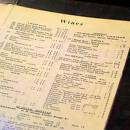 Quick. Name a dining experience that can cause a range of emotions from unease to an appetite-ending clutch in the throat. Might it be the innocently posed question from a companion, “Would you please select a wine for dinner?”
Who me?
Faced with an extensive wine list and dinner companions looking for you to navigate its rocky shoals, finding the safe haven of a good bottle can be intimidating. And if it’s a business dinner with important clients in tow, the pressure can be magnified considerably. Make a poor selection and you might be apologizing to the group throughout the meal.
Relax. Being asked to choose a wine means someone thinks you have the savoir-faire to handle the assignment. There are some simple strategies that can be employed to reduce your anxiety and assure success.
First, conduct some quick market research. Ask the diners what type of wine they are interested in. It will be useful to know what entrees they are ordering. But, laboring over a dinner menu is a time-honored tradition. If you wait for everyone to choose an entrée, it’s possible the table will be empty glassed by the time the first course arrives.
A neat delaying tactic is to quickly order a bottle of bubbly—along with fluted glasses. It does not have to be an expensive bottle of champagne. Today, Spain produces a delicious sparkler called Cava; Italy, Prosecco; and the United States, sparkling wine. It’s a rare diner that won’t enjoy a bubbly aperitif with hors d’oeuvres. It’s an inventive and festive way to kick off the meal. Your guests will be looking forward to the rest of your wine choices after this successful opening.
With a libation safely at the table, continue assessing what wines your group is interested in. If it’s a white, do they favor a light and crisp style or one more full bodied? If red, does a softer, medium weight wine have appeal, or a bigger, richer, fruit forward one? In a matter of moments you’ll be able to assess their style preferences.
Now its time to employ your secret weapon—the sommelier. The sommelier, pronounced suh-muhl-YAY, is a professional wine expert employed by upscale restaurants. He, and increasingly she, is trained to provide descriptions and recommendations on any wine on the restaurant’s list. This individual may also be called the wine director or wine buyer. Regardless of the title, if a restaurant has a solid wine selection, there will be a knowledgeable employee available to describe and recommend the wines.
Here are some categories your can focus on:
 WHITES
Light & crisp: Sauvignon Blanc, Riesling, Pinot Grigo, unoaked Chardonnay
Fuller bodied: Oaked Chardonnay, Viognier, Gewurztraminer, Semillon
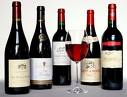 REDS:
REDS:
Light to medium weight: Beaujolais, Dry Rose’, Pinot Noir, Merlot, Chianti
Richer & fuller bodied: Cabernet Sauvignon, Malbec, Syrah (Shiraz), Zinfandel, Barolo
Once you’re ready to order, ask the waiter if you can test taste any of the wines selected. It’s possible an opened bottle may be available, and if it is, your server will be happy to let you sip first. If you are considering two or three possible selections, ask for glasses with a dollop of wine in each. There’s no better way to evaluate a wine than tasting before ordering.
If there are four or more wine drinkers at the table, you may need to order at least two bottles. If this occurs, it presents an opportunity during the dinner for others to taste a wine other than the one they are drinking. By encouraging these mini-tastings, you’ll create a learning moment while enhancing the fun factor.
When the wine arrives, the waiter will present the bottle to you. After all, you are the expert that placed the order. First, look at the label and confirm it’s what you selected and is the same vintage as shown on the wine list.
After it’s opened, the cork will be handed to you. There is no need to smell the cork since it will tell you very little about the wine’s quality. The tradition of smelling the cork actually originated in the early 1900s when wine fraud was prevalent in France. Often inferior wine would be bottled in used expensive bottles and sold at inflated prices. To guard against such fraud, diners would compare the printing on the cork to see if it matched the label. If it didn’t, the buyer knew he was being sold a cheaper wine. Today, such fraud is rare and smelling the cork became a fairly useless replacement for the original physical examination.
Rather than sniffing the cork, be alert for a dried or crumbly one, or one saturated with wine through the top. This could signal an over the hill bottle.
Next, the waiter will serve you a small amount of wine for your approval. This part of the examination is important. Look for any off smells, particularly wet newspaper, vinegar, burnt match or wet dog. If you pick up any such odors, there’s no need to taste the wine. Call for the sommelier and have him address your concerns. If it’s a flaw, he will quickly confirm the problem and order another bottle. However, if there are no faults in either the aroma or taste, but you simply are not enamored with the wine, it’s not proper to reject the selection. The bottle is good, it’s been ordered and it should be consumed and paid for. In such situations, you have learned a valued lesson about that specific type of wine.
If a white has been ordered, it will typically be placed in an ice bucket. As the bottle is consumed, be on guard not to let it get too cold. An over chilled white will lose it fruit characteristics and become more acidic. With less than half a bottle left, you should remove it from the ice to maintain its flavor.
During the course of the meal, your waiter may periodically take the bottle and pour each guest more wine. If you wish to maintain control, simply advise staff that each diner will pour their own servings. This is a useful strategy since some people prefer less wine while others more, and it gives each diner control over their alcohol intake.
 Once the wine and food have been served, you can relax and enjoy your meal. Wines today are generally well made regardless of varietal or country of origin. Restaurants labor over their lists to assure the selections are creditable. As your companions enjoy their selections, your reputation as a knowledgeable wine person will be enhanced.
And next time the question is posed, “Will you please choose the wine?” you’ll respond confidently, “I’d be delighted to.”
Published in the Culpeper Times on September 24, 2009.
 SHARP ROCK VINEYARDS
2007 Cabernet Sauvignon
$22
Proprietor, winemaker and B&B owner Jimm East has produced a fine example of a rich Virginia Cabernet Sauvignon, a grape that can be a bit of a challenge to grow in the Old Dominion. From its deep garnet hues, to aromas redolent with smoke and black cherry, and finishing with a palate of black fruit and cassis, this is a serious red for serious wine drinkers. Pair this fifteen-month oak aged black beauty with Prime Rib and Yukon Gold potatoes. Drink now through 2013.
Sharp Rock Vineyards is located off Route 231—on one of its prettiest stretches in Virginia—at 5 Sharp Rock Road, Sperryville, VA 22740. The vineyards lay in the shadow of Old Rag Mountain and the quaint, rustic tasting room is opened from February through December, Friday to Sunday from 11am to 5pm. WWW.sharprockvineyards.com (540) 987-8020.


