
Author Archive
Four decades on Main Street and still thriving
The characteristics of ducks mirror one of Warrenton’s favorite shops: both paddle hard beneath the surface but one only sees calm and friendly faces.
Working hard while projecting serenity is the heart of a shop Fauquier County citizens know well. The Town Duck is the go-to place for gifts, jewelry, cheese, wine, gourmet foods and the freshest of fish.
The eclectic range of merchandise and down-home hospitality offered by the retail legend is why generations of shoppers have awarded it a long and fruitful life.
Founded by Robin Payne in the late 1970s, Bibi de Heller purchased it in 1986 and hired Annette Johnson a year later to help her run the shop. In 1993, de Heller moved to Switzerland and Johnson purchased the business.
de Heller returned to the states a year later and the partnership reunited and has been in play ever since. The winning team works flawlessly together and are still the best of friends.
Annette Johnson recalls with clarity her first impression of the shop. “I was not in retail and it was absolutely the last thing I thought I would do. But the minute I walked into that shop I loved it. There was such a sense of community there.
“My late husband was in the horse world and he fox hunted so I already knew many people in the county,” said Johnson.
Later, after Johnson purchased the business she moved it to 215 Main Street. The new location tripled the size of the original shop and business jumped dramatically. “There were days we could fill a USP truck with all the outgoing shipments.”
In 2008, the owner of the building did not want to renew the lease and the shop moved to its current location at 100 Main Street. “We’ve been here 10 years. How time flies.”
Today, de Heller focuses on the financial side of the shop, including bookkeeping. Owner Johnson manages the staff and merchandise.
So how did the shop get its name? There was no “Aha!” moment that struck original owner Payne. “She simply made the name up and then had a logo designed of a cute duck going shopping with a purse under its wing,” said Johnson.
The shop has hundreds of items for sale; “perhaps thousands,” if you include all the various soaps and jewelry items. Products range in price from $5 for a simple piece of jewelry to over $100 for a bottle of fine wine.
They have something for everybody, including a bridal registry. But the busiest day of the week is Friday…fish day.
Johnson had been selling fish for years but wanted to expand her selection and offer unusual items such as Shad Roe which run in the spring.
Today, over 500 people are on the shop’s email notification list that is posted every Wednesday. It describes what fish will be available on Friday. Customers place their order and pick up their fish on delivery day.
“We use J.J. McDonald from Md. who is one of the best fish purveyors in the business. We get a variety of fresh water and ocean fish each week.”
The selections are impressive: seasonal availability of Shad Roe, sea scallops, farmed Atlantic Salmon, Mahi Mahi, Arctic Char, Norwegian Cod, Flounder, Swordfish, Lane Snapper, Rockfish, Monk fillet Bronzini, Salmon, Bluefish, PEI Mussels, and Tuna loin.
If the finest bounty of the sea is your passion, be sure cast your line into The Town Duck’s pond.
Premium seafood calls for premium wine pairings and again the shop does not fail. Dozens of selections of high-quality wines are available. The depth of choice is so deep The Washington Post wine critic, Dave McIntyre, often lists the shop as a source for wines he has recommended to his readers.
While the satisfaction of providing Warrenton with quality merchandise, wines and fish is rewarding, Johnson is most proud of the employment opportunities she has provided to over 50 young staffers over the years.
“These young people have gone on to enjoy great careers—huge careers—and they still come back to see us. They’re now married and have children. It’s very gratifying. They loved working in the shop. We were like second mothers to them,” said Johnson.
Characteristically, Johnson goes on to say the success of the shop is centered on her staff. Two of her long-time loyal and experienced employees are Anne Schalestock and Robbi Ryan. “They keep the shop looking great and customers love them.”
In her closing thoughts, Johnson opines that, “I wish people would realize that in supporting not just my business, but any local business, what they’re helping to accomplish. The money stays in the community. I am a great believer in Main Street.
“I turned 76 this fall and I’m still here because I believe in it. I’m still soldering on. It’s a great shop; it’s been the greatest experience of my life.”
American poet Maya Angelou once said, “My mission in life is not merely to survive, but to thrive; and to do so with some passion, some compassion, some humor, and some style.”
The philosophy perfectly matches Johnson’s world view.
For a digital peek inside the world of Annette Johnson’s playground, visit http://www.townduck.com/
Published in the October 15, 2018 edition of the Fauquier Times.
“Be Prepared” is more than a Boy Scout motto
First, an inside secret. A tried and true writer’s trick is to create a headline with a tantalizing list of actions. It creates curiosity and pulls a reader into the subject matter.
Why is that necessary? Because readers are notoriously fickle about jumping into a story to begin with and staying there once they’ve made the leap. And for good reason. There’s precious little time to waste in today’s hyper-world. Just get on with it.
But first some science.
Lists catch the eye. They also promise to deliver the goods in a quick and easy-to-read format. The brain is on a constant search for the new and the intriguing. Numbers pop to the forefront and pull us in.
Moreover, short lists offer the possibility of solving a problem quickly without unnecessary research. Psychologists have known for some time the more information we have at our disposal the worst we tend to feel. Too many choices complicate life.
Finally, lists create a sense of freedom. One can elect to act or them or not. Easy peasy.
 Now…on to ten winter prep tips. And while these may appear somewhat obvious, we’ll focus on the logic of why to act now.
- Clean the garage
Here’s one of the least enjoyable tasks a homeowner faces. Not only does it involve dirty work but it creates stress about what to keep and what to pitch. The lack of pursuit typically results in a garage so full of stuff it’s difficult to move around in it. If you don’t act during the autumn, chances of cleaning up the mess during the winter months is almost non-existent. - Fertilize the lawn
Grass benefits from a boost in plant sugars that will help protect the plant roots from freezing. Those sugars are produced by chlorophyll when nitrogen is present in the plant. Apply a late-fall application of a slow-release granular 24-0-10 nitrogen- intense fertilizer to protect the roots from freezing and produce energy for a spring growth spurt. - Test for home drafts
A loss of home energy is both uncomfortable and costly. To test where heat may be escaping, close all doors and windows and turn on the bathroom and kitchen exhaust fans. Then take a lit incense stick and hold it over any potential drafty area. If the smoke waivers and/or is pushed into the house, add insulation or calking to the offending leak. - Clean the chimney
It’s tempting to skip an annual chimney cleaning. Big mistake. There are over 25,000 chimney fires a year in the U.S. resulting in $125 million in property damage. Soot, blockages and creosote build-up is real and its lethal. - Place a bag or box of survival gear in your vehicle. Tens of thousands of motorists get stranded each winter. Two benefits accrue by planning ahead: it will build your confidence when out and about on a cold or snowy day. And, you may be able to offer help to a stranded motorist. Items to consider: jumper cables, small shovel, flares, flashlight, blanket, first aid kit, hat, gloves, energy bars and some folding cash.
- If you own a snowblower, fire it up. Nothing can be more frustrating than when eight inches of snow blocks your driveway and your snowblower goes on the fritz. Take the machine out for a test drive now when nary a flake is on the ground. Also change the oil and fill the tank with fresh gas.
- Get your flu shot. Millions of people come down with the flu each winter and thousands die. Yet many consider the shots a waste or worst. Flu vaccines are safe and cause antibodies to develop in your body, providing protection against deadly viruses. Put on your winter armor now.
- Fight the winter blues. 21 percent of the U.S. population suffers from either Seasonal Affected Disorder or simple winter blues. Be prepared to fight the blahs with bright clothing, a well-lit home, vitamin D, movies and books, positive friends, outdoor walks and wood burning fires, if available.
- Test run the furnace. It’s counterintuitive to fire up the furnace when it’s still in the 70s but a smart move nonetheless. Set the thermostat to 80 degrees and if heat is not forthcoming within minutes, try to run down the problem or call your HVAC company for service.
- Disconnect your outside hoses. Ever wonder why the useful life of hoses and their rubber washers seem to be limited? It could well be they’ve endured cold winters outside filled with water. The freezing and thawing takes its toll. Drain them and hang then in the garage. They will thank you in the spring with spraying delight.
There’s joy in tackling a “go do” list during a seasonal change. It’s the zest of blending the tried of a fresh beginning with the true of a job well done.
Bring on winter. We’re ready.
Published in the October 15 , 2018 edition of the Fauquier Times.
Reflecting on the future of the Old Dominion’s vinous fortunes
The year was 1607 and hopes were high as the intrepid band of colonists landed and founded a colony named after their king. They endured frightful weather crossing the Atlantic and encountered an initial hostile welcome from Native Americans until they eventually landed on a small, quiet peninsula. They called it Jamestown.
The colonists were sponsored by the Virginia Company chartered by King James whose objective was to established a new, revenue producing colony.
As the hearty band approached the shores of the New World the scent of delicate grapes drifted over the ocean breezes. Wine! Surely this new land would reward with copious amounts of wine so beloved by the English.
Thus began a, long, painful and ultimately disappointing saga of wine making in America. The wine made from native grapes tasted awful. And while the colonists repeatedly tried to make palatable wine from their European cuttings all efforts ended in failure.
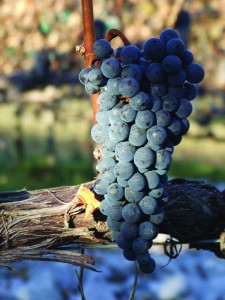 It is analogous to frame the delicate Vitis vinifera grape species—it makes 99 percent of all wine worldwide—as vulnerable as the natives were to English diseases. Some 10 million Indians would perish as their defenseless bodies fell before the onslaught of smallpox, measles, influenza, malaria and other dreaded diseases.
The European grapes were similarity taken to slaughter by insects, humidity, heat and cold. Virginia went on to have an anemic wine culture until the mid-1970s.
Today, over 300 wineries dot the state’s landscape making it the fifth largest wine producing state in the Nation with approximately 3,500 acres of grapes producing over half a million cases of wine annually.
Science and skill have been brought to bear to make quality wine.
Virginians couldn’t happier.
Let’s gain the perspective of four Virginia wine professionals on what the next five years might hold for the Commonwealth.
Virginia Wine Marketing Board
Based in Richmond, the Board handles education and marketing efforts on behalf of all Virginia wineries. Annette Ringwood Boyd is the director.
“I think we’ll see some consolidation in the industry over the next few years,” said Boyd. She believes there are a number of smaller wineries whose owners are nearing retirement and their children do not want to pursue a career in wine. This may lead to the closing of unprofitable businesses.
“Sales of wine are currently outpacing supply so there will be a big push to grow more grapes. If weather impacts this year’s harvest, the shortage issue will continue, further squeezing the little guys,” Boyd said.
The consolidation trend may already have begun. Over the last three years the previously explosive growth of wineries has slowed to a trickle. From 2000 to 2015 some 210 wineries—an average of 14 a year—opened tasting rooms. The recent number has fallen to four to five annually.
“We’ll still see people entering the market but those people will be better financed,” said Boyd. She explains that it will be harder for smaller entrants to have access to fruit and expensive equipment.
In the past, bootstrapping paid dividends but into today’s market it’s going to require more capitalization. This may be a sign the industry is maturing. There will be fewer small wineries in lieu of larger, better financed ones.
It may also bode well for the quality issue. Historically, Virginia wines have not had a consistent quality profile. Many are producing excellent wines but marginal performers undermine the state’s reputation. Boyd takes some exception to the charge stating, “Every wine region has it under performers.
“I think the market tends to make its own corrections. If someone is not making good wine, people are not going to buy it. The market takes care of that problem,” Boyd said.
John Delmare
John Delmare is the owner of Rappahannock Cellars in Huntly. He earned his wine bona fides in California as owner and winemaker of a small winery in the Santa Cruz Mountains. He saw what was unfolding in Virginia and moved his family here in the late 1990s and opened his winery in 2000.
“In the last two to three years a lot of capital that might have flowed into the wine industry went into the craft beer and the craft distilling craze. I think that sucked a lot of energy of our sails. The industry kinda stopped growing,” Delmare said. In response to the trend he opened his own distillery last year.
Nonetheless, he thinks the market is in the middle of a change with the industry continuing to grow by not by new wineries coming on line but by the growth of existing companies. His initial output 18 years ago was 2,000 cases a year. Today he produces over 15,000 cases.
In some instances that growth has been significant. “We’ve found ourselves growing 12 to 16 percent annually over the last six years,” he said. “Not everyone has seen that rate. It’s the wineries who are doing something unique and doing it right.”
In Delmare’s case it’s his wine club. When he opened his business 18 years ago to his knowledge not one winery in Virginia had a wine club. He launched his and today it’s one of the largest in the state.
It’s not a quarterly shipment either but two bottles per month. Some 80 percent of his revenue is now generated directly from the club. “It’s been our life blood,” he stated.
He feels like some investment is now coming back into the wine industry with beer sales slowing down. On the negative side, his crop was hit during the spring bloom season with heavy rains and he lost some grapes, as did other wineries, so the existing grape shortage will likely continue.
“Overall I think we are entering a period we were are going to have a shakeout but I think it will be a healthy shakeout,” he said.
Stephen Barnard
Stephen Barnard originally hails from Capetown, South Africa but is now a U.S. citizen. He is emblematic of the young, talented winemakers from outside the state who are finding a fruitful home in Virginia. He is winemaker and vineyard manager at Keswick Vineyards in Keswick.
“Quality is on the upswing. People are planting better grapes on better sites and learning how to deal with the weather issues; rain, humidity and a short growing season.
“The best fruit makes the best wine so the emphasis on the right sites, root stock, and clones has helped,” he said. He also believes the sharing of knowledge among winemakers is critical to further success.
“The only way to challenge ourselves is to share information and collectively grow. The ensuing changes are subtle not massive.” Barnard said, He cites groups in his region such as the Winemakers Research Exchange, numerous winemaker roundtables and the Governors’ Cup tastings as examples of the collaborative efforts.
He agrees breweries and distilleries have taken some business away but the world of wine is not going anywhere. “This is a bump in the road. People are going to be coming back,” he states.
His vision for the future of Virginia wine is to move beyond our borders and ship wine nationwide. “We need to be making more wine, more quality wine. Making something authentically Virginia. I don’t know if we know what that is yet but I don’t think its Viognier,” he opines. The popular white wine is notoriously hard to grow and in chronic short supply.
Tom Kelly
Tom Kelly is past president of the Virginia Vineyards Association and director of operations at Brown Bear Vineyards in Woodstock.
“I see an attrition of older folks who are trying to find a way out. There will be a culling out of wineries. Many folks are starting to age and may not have a succession plan in place. That’s not all bad,” said Kelly. He compares the process to pruning a vine by cutting back the weak branches.
He also sees a growing influx of talent from beyond Virginia. “These young people are graduating from UC Davis and Fresno State with wine degrees and looking to make a name for themselves in Virginia; the big fish in a small pond scenario,” Kelly said.
“As we gain more experience and figure more things out” quality will advance even further. Technology also helps. We are definitely trending on the upside of quality,” He said.
Summary
Reflecting on the future of Virginia wine “past is prologue” will be an enduring theme. The success of the last four decades are portents for the future.
The critical issues to be addressed in the next five years is further improving quality, increasing quantity, attracting talent, solving the chronic grape shortage, and convincing wine lovers outside of Virginia it deserves its place among the best wine regions in the Nation.
In the words of the immortal Abraham Lincoln, “The best way to predict your future is to create it.”
Indeed.
Published in the Fall 2018 edition of Dine, Wine & Stein magazine.
Collaborative effort captures 400 years of lightening in a bottle
On July 30, 1619, the first legislature in the English colonies met and established a set of laws governing Virginia. The House of Burgesses set in motion events that shaped the democratic process, cultural diversity, historical traditions and the entrepreneurial spirit in the United States.
Yes, it was that important.
The Virginia Tourism Corporation will celebrate the four-century seminal event with numerous activities during 2019. But a select number of Virginia wineries have taken the lead in observing a segment of the watershed moment in American history.
The nexus for the industry’s involvement was a document emanating from the young government called Acte XII. It established a wide-ranging set of laws directing the growth and success of the new colony.
One section addressed the importance of establishing a commercial wine industry. Specifically, it read, “…be it enacted by this present assembly that every householder does yearly plant and maintain ten vines, until they have attained to the art and experience of dressing a vineyard…”.
To support the nascent wine culture, in 1621 King James directed that 10,000 grape vines be sent to the colonies. They were accompanied by eight French winemakers to ensure the success of the endeavor.
Alas, the early efforts did not take root in the state’s hostile climate that included heat, cold, humidity, insects and fungi. The delicate French grapes balked at being forced to work under such conditions and did not thrive.
Nonetheless, it launched a wine industry in Virginia that ebbed and flowed until the late 1970s when the cumulative experience of almost four centuries, coupled with scientific advances, catapulted Virginia into the fifth largest wine producing state in the Nation.
Today, the Commonwealth has over 300 wineries producing over a half million cases of wine annually and generating $747 million to the state’s economy. King James would have been proud.
Celebratory bottle
Fauquier County’s own Chris Pearmund recognized the state’s yearlong celebration as an opportunity to showcase the success of Virginia wine. Pearmund, 56, owns Pearmund Cellars, Vint Hill Craft Winery and Effingham Manor Winery and has been involved in opening numerous other Virginia wineries over the past two decades.
Virginia’s 400-year history will be celebrated far beyond just its contribution to winemaking in the new world. So much has unfolded in the state in the ensuing four centuries Pearmund knew he had to highlight the state’s role as the cradle of wine production in the U.S.
 “I started the Heritage wine project two years ago. I realized no one was talking about the wine industry as it related to the birth of the state. If we were going to do something, we needed to get started,” said Pearmund.
If you want something done, ask a busy person. In this case, Pearmund appointed himself as the doer bee.
He developed the concept of creating a celebratory bottle of red wine that reflected the best the state had to offer. He reached out to a select number of quality producers asking them to contribute one barrel of their best red wine to the project. Sixteen wineries responded.
Back in his cellar Pearmund began blending the wines into a unique, full-bodied dinner wine. He aged it in Virginia white oak barrels for 16 months, designed a shaved Birchwood label and packaged the bottle in a presentation case.
“The entire effort was focused on Virginia components, including a mid-1800s machine that was used to make the presentation box in Richmond. We produced 10,000 bottles to commemorate the 10,000 vines that were shipped to Virginia back in the early 1600s,” said Pearmund.
Each participating winery has a supply of the wine that will go on sale the last weekend in September in concert with October’s Virginia Wine Month. The retail price is $59 a bottle and once sold out will not be reissued, making it a unique collector’s wine.
The 16 participating wineries are: Aspen Dale, Cooper Vineyards, Glass House, Effingham Manor, Ingleside, New Kent, Pearmund Cellars, Phillip Carter, Rappahannock Cellars, Potomac Point, Rosement, Naked Mountain, Narmada, Vint Hill Craft, Williamsburg and the Winery at Bull Run.
Nine of the sixteen wineries are in or border Fauquier County.
“The wine can be aged for at least 10 years. It’s a blend of 44 percent Merlot, 25 percent Petit Verdot, 12 percent Cabernet Sauvignon, 10 percent Cabernet Franc and nine percent Tannat. It’s a big wine.
“The reason the wine exists demonstrates how the industry worked collaboratively and in unison to produce a wine representing the Virginia industry. We sold 20 cases to the Governor’s’ office for a dollar a bottle that will be used throughout next year’s celebrations,” Pearmund said.
The wine mirrors a Spanish Rioja Alta in style. Its focus is on dark fruits of black cherry, with spicy notes of cinnamon and vanilla on both the nose and mid-palate. An earthy and smoky texture of sweet tobacco, cedar and cherry liqueur presents on the finish. While drinkable today, its flavors will deepen with further aging.
For a full description of the wine, its production and an informative video pull the cork at http://www.virginiasheritage.com/
Published in the October 15, 2018 edition of the Fauquier Times.
Flint Hill restaurant rapidly losing hidden jewel status
The lyrics to the classic rock and roll hit “Green Door” centered on, “…what’s that secret you’re keeping?” But the secret behind a local dining establishment opened just five months is: it has no secrets.
Unless, of course, you’ve yet to discover its flavorful menu.
The latest casual dining establishment in the area is gaining a reputation for quality food, quiet ambiance and focused service.
The Blue Door Kitchen & Inn, located in the village of Flint Hill, opened in May and its owners Andrea Pace and Reem Arbid have quickly secured a warm spot in the tummies of local and Northern Virginia diners.
The restaurant could well have been called The Green Door except for a whimsical exchange between the two business partners shortly before opening.
 “We kept coming up with names that neither of us cared for and I told Andrea, ‘You know, it doesn’t really matter. People change the name of restaurants all the time. For all that it matters, we could just call it The Blue Door,’” said Arbid.
“Hmmm, I kinda like that name,” responded Chef Pace. “So do I,” answered Arbid. Bingo. The restaurant had a name.
The color of the front door is a rich, deep blue and easily catches the eye of travelers passing by. But Pace did not want to be permanently locked into just a single color of blue. Arbid told him not to worry. “There are 50 shades of blue,” she assured him.
But the color of the door is of minor importance to those who have dined there. Walking through the door and enjoying its varied menu is their focus.
Old World experience
The heart of any eatery is the individual behind the range. Chef Pace, 52, is a native of South Tyrol, Italy, located in northeastern Italy on the border with Austria; he speaks both Italian and German. As a young man he studied at an Italian culinary school and then worked in a restaurant called Villa Mozart where he was further trained by a Michelin star chef.
Later his mentor moved to New York City to open a restaurant and Pace joined him as a sous chef. For nearly 20 years Pace worked at various restaurants in the Big Apple until he moved to D.C. in the early 2000s to continue his career.
In 2007, his extensive experience led Pace and Arbid to open Villa Mozart in Fairfax City. The fine dining establishment was named in honor of his original mentor and gained a wide following and critical acclaim.
Last year, he closed Villa Mozart with an eye toward establishing a causal dining restaurant in Northern Virginia. Successful fine dining reaps acclaim but it’s also a lot of work. The new goal was to ease the workload while continuing to draw on his extensive kitchen experience.
But a new location was not quickly forthcoming. Then one day they received a call from a previous customer who was traveling through Flint Hill and spotted the former Public House restaurant for sale. “Reem, I’m out here in Rappahannock county and I’m looking at a place that has your name written all over it,” said the ad hoc real estate agent.
“We had no clue where Rappahannock County was but we arranged to see the building. Our first reaction was, ‘wow,’”, said Arbid. The building was larger than they needed and included four upstairs guest suites, “But we fell in love with it.”
It also included an herb and vegetable garden, something Pace has always wanted to nurture as part of a restaurant. While a rainy spring and summer has been a gardener’s challenge, the future is colored green for more estate grown produce to be gracing menus.
In understanding the early success of the restaurant, keep the “past is prologue” in mind. Pace was trained in classic Italian cooking with an emphasis on simplicity and freshness.
“Andrea does not try to cover a plate with 16 different ingredients. His uses only four or five at the most. He tries to stay true to each ingredient. If there is artichoke in the dish, you will taste the artichoke,” said Arbid.
The chef’s menus fuse old world cuisine with modern technique and flair and include slow-cooked sauces and handmade pastas and pastries. Prices are moderate.
A major boost for The Blue Door was a recent positive review by the Washington Post’s food critic Tom Sietsema. The resulting publicity alerted many of their former customers of the new location and generated a spike in business.
“The nice thing about the review was a lot of our previous customers who we had not seen for a while came out and dined with us. It was fun seeing so many people from our past,” said Arbid.
Their goal, however, is to build clientele from the local community. Having never operated in a seasonal impacted business, the owners know winter months in a rural area can be a difficult business proposition. Local guests need to be converted to loyal diners.
There are no plans to expand beyond the Thursday, Friday, Saturday and Sunday service hours; Fridays and weekends include both lunch and dinner service.
“Our staff is young and it’s not large. When you come in we want to be able to give our customers great service and great food. We don’t want them to wait two hours for something to come out of the kitchen. We want to stay focused on excellent food and service,” said Arbid.
For information on reservations, hours, and lodging step through The Blue Door at https://thebluedoorkitchen.com/
Published in the October 10, 2018 edition of the Fauquier Times.
Chasing fall foliage in the Old Dominion
Virginia’s beauty is renown. From its beaches, to the Piedmont, to the Blue Ridge Mountains, planning a day or weekend getaway is a challenge handily met.
The question is where to go?
If the urge to hit the road strikes during the fall color season, the answer is almost a universal, “to the mountains.” With the Appalachians running the entire western spine of the Commonwealth, stunning views coupled with rural drives make heading westward an obvious choice.
This is particularly true for citizens of Fauquier County who live less than an hour from the Blue Ridge Mountains and the Shenandoah National Park. The Elysian Fields.
But the question in many minds this year might be, “Will the monsoon-like spring and summer deaden the fall colors?” The short answer is, not likley.
 In fact, October’s glory is already beginning to emerge on the high peaks of the Blue Ridge. Soon enough it will be showcasing reds, golds and yellows as they tumble down the slopes and into our backyards and local parks.
Temperatures are the driving force for a colorful display of autumn colors. The cooler the better. Evening temperatures in the 50s and 60s will accelerate the magical chemistry behind foliage.
Why the color?
At its height, fall’s forest fireworks seemingly creates abundant colors out of thin air. Where does this artist’s palette spring from? It’s been there all the time but the leaves’ work ethic simply hid it from view.
During the summer months each leaf is a wee food factory. The process occurs deep within each cell of the chlorophyll filled leaf. Sunlight strikes the chlorophyll triggering a transformation of carbon dioxide and water to carbohydrates containing sugars and starch. Tree food.
During the vigorous growing season, the vibrant colors of fall are simply masked by the all-important chlorophyll. But when temperatures take a dip, so does the green machine’s activity level. Presto. Autumnal glory emerges.
The completion of this intricate process occurs when a special layer of cells develops at the base of each leaf stem. Slowly it weakens the bond between leaf and branch and the next thing you know we’re all raking piles of detritus off our lawns.
The circle is then completed. Like all living things, life springs from the earth and ultimately returns to its resting place.
Yet to contemplate too heavily on the science behind the beauty of an autumn landscape, is to lose sight of the joy of an afternoon drive through the countryside.
Where to go
The obvious answer is the mountains. But there’s one caveat to a day serenely driving the nearby Skyline Drive or Blue Ridge Parkway further south. Everybody else has the same idea. Yes, the views are impressive but a bumper-to-bumper caravan might not induce the relaxed frame of mind you’re seeking.
Consider an alternative. Head west on Route 211, north up Route 17 or south on Route 29. When you’ve pulled away from the population centers, select any secondary road off the main highway and let the endless backcountry roads take you wherever. The goal is to stay off the four lane highways as long as possible. Create your own custom designed backcountry road excursion.
One of the modern marvels of today’s technology is the GPS systems embedded in our vehicles, stand-alone auto units or cell phones. The fear of getting lost in rural areas is now a thing of the past. You can invest in a spirit of adventure without the stress of constantly asking, “Where are we?”.
The beauty of these day trips is experiencing rural Virginia at its finest. Since minimal traffic will be encountered, you’ll find few vehicles to deal with so you can amble along at 25 to 35 miles per hour; even slower when you hit gravel country lanes. Simply pull over when a local comes up behind you.
The payoff comes as you pass bucolic farms and pastures with peaceful grazing livestock, rolling hills with views up to the Blue Ridge and endless ponds and lakes. And of course, the amazing fall foliage.
With the density of wineries in our nearby counties you’ll likely stumble upon an occasional “grape shop” where you can take a break and responsibly enjoy its vineyard products and pastoral views.
Priming the pump
Here are just few suggestions for launching your private travel agency:
*Take Route 211 west past Amissville and take a right onto Poes Road South. Travel about four miles and take a right onto Crest Hill Road and then an immediate left onto Poes Road North. You’ll emerge on Rt 522 north outside of Flint Hill. Rappahannock Cellars is three miles north on Route 522.
*Take Route 211 west to Little Washington. In the village take a right onto Main Street and then a left onto Harris Hollow Road and travel Harris Hollow till it becomes Gid Brown Hollow Road and ends at Route 211. Quievremont Winery is on your left just before Route 211.
*Take Route 17 north to a right on to Route 245 to The Plains. Take a right on Route 55 and then an immediate left onto Halfway Road. Be adventurous here and take any upcoming left of your choosing to wander through beautiful horse country.
*Take Route 29 south and take a right onto to Freeman’s Road near Remington. The goal here is to simply “get lost” in the alternately open and forested landscape with several country road options to make it happen. Remember: your GPS is you bail out buddy.
These are just a few of the dozens of “carriage rides” awaiting spirited leaf peekers. Chances are you’ll develop some favorites you’ll return to time and again.
Now grab those car keys and start adventuring.
Published in the October 10, 2018 edition of the Fauquier Times.
October’s riot of color perfect time to visit county wineries and breweries
The urge to celebrate during the fall months may well be part of our DNA. As far back as man’s cultivation of the earth, the harvest of his labors was a celebratory time.
As time progressed and crop development advanced, the joy of gathering the fruits of one’s work began to crystallize into organized celebrations and festivals.
The joy was generated by two accomplishments: ample food to sustain the community and the freedom of not having to work the fields during the winter months.
It was hunkering down time.
Festivals typically occurred around the autumnal equinox; about September 22 in the northern hemisphere and March 20 in the southern hemisphere. The events ranged from religious services, extravagant dinners, music performances, and distributing food to the poor.
America’s first Thanksgiving took place in October 1621 and was attended by both the Pilgrims and Native Americans. It set the stage for one of the most revered holidays in the United States.
Today, our connection with farming and harvesting is tenuous at best. Industrial agriculture provides all the foodstuffs we need to thrive. Yet, the urge to celebrate in the fall retains its hold on communities worldwide.
 There’s no better way to embrace these subliminal urges during the fall season than touring the numerous wineries and breweries in Fauquier County.
Social lubricants & advice
The explosive opening of wineries and breweries nationwide over the last few decades have been remarkable. There are now over 8,700 wineries and 6,300 breweries in the United States. Toss in cideries and distilleries and the opportunity to share in the bounty of grapes, barley, hops and apples is ubiquitous.
Fauquier County is home to 26 wineries, four breweries, and two cideries. But the four counties bordering Fauquier expands the opportunity for a fun-filled afternoon of picnicking and responsible sipping to dozens of establishments.
To further deepen the experience, Mother Nature has chosen the fall season to drape herself in a riotous mantel of reds and golds. This is going to be an enjoyable travel assignment.
Here’s some advice as you undertake your “freewheeling fun fall flight from frustration”.
 First, don’t attempt to visit more than two or three establishments in a day. Relax. Take your time. Your understanding and appreciation of the libations will reveal themselves more fully if you simply slow down.
The old chestnut, “haste makes waste”, should become your three-word management plan for extracting maximum enjoyment from each “drinkery” you visit.
Consider taking occasional behind the scene tours at businesses that offer them. You’ll gain greater insight into how wine, beer, whiskey and cider are produced, enriching your understanding of both the simplicity–and complexity–of its production. Availing yourself of free tours is an educational opportunity that will deepen your delight of the finished product.
Make observations on tasting note sheets to learn which places you have enjoyed visiting. A file kept at home will refresh you on the drinks you found most delightful. It can also lead to a compilation of your “Top Ten” favorite establishments.
Engage your fellow tasters during your tastings. Interesting exchanges unfold as strangers begin a conversation about their mutual love of the product in the glass. Don’t be surprised if you meet people from distant states, or even overseas. Virginia’s tourism draws guests from points worldwide.
Ask questions freely. Your hosts will enjoy educating you on a variety of libation related subjects. Knowledgeable employees take pleasure in educating guests on their livelihood.
While many of the places on your itinerary provide some food, almost all of them have no objections to bringing your own. If ever there was a good reason to pack a picnic basket, visiting county libation centers tops the list.
For a list of county wineries, pop the cork at: http://www.visitfauquier.com/things-to-do/wineries.
The four breweries to investigate are Barrel Oak Tap House, Old Bust Head Brewing Company, Powers Farm Brewery and Wort Hog Brewing Company.
The two cideries are bonus combo-paks: Cobbler Mountain Winery & Cidery and Old Trade Brewery and Cidery.
Let the fun begin.
Published in the October 3, 2018 edition of the Fauquier Times.
Reaching for apple happiness
What does autumn air and fresh apples have in common? Beauty and crispness. And both are available in abundance in the Piedmont.
It’s commonly acknowledged our region possesses one of the loveliest landscapes in the Nation. Verdant pastures, dense forests, rolling hills, and clear steams are all framed by the Blue Ridge Mountains.
And then there’s the apples.
Virginia is the 6th largest apple producing state with some two dozen varieties of the red orb to choose from. By the time Thomas Jefferson had retired to his beloved Monticello he had planted over one thousand fruit trees on his “little mountain”, many of them apple trees.
Today, there are over 250 commercial growers in the Old Dominion tending 18,000 acres of apple trees. Virginia exports its apples to over two dozen states and 20 countries; much of the crop is made into apple juice, apple butter, apple sauce and apple cider; both sweet and hard.
To the good fortune of local residents, the majority of the apple crop is grown in the northwest section of our state. That’s also called our backyard. Seven counties in the region account for 8 million bushels annually, or 89 percent, of the entire state crop.
Chasing down a couple bags of fresh apples is as easy as backing out of your driveway. And for a fun and tasty family event, it’s difficult to find a better use of a day off.
This spring and summer will go down in the record books as one of the wettest in years. Nonetheless, local orchards have worked diligently to produce a good crop of apples.
The rainy challenges began early in the season. Since bees don’t fly in the rain, pollination was affected to some degree. During the growing portion of an apple’s life too much water affects the cell division of the fruit; a balanced amount of water and sun are ideal.
Mold and fungus are also problematic for fruit bearing trees. Nonetheless, all of these obstacles have been largely met and there is plenty of tasty red fruit available. Now is the time to take advantage of the orchardists’ hard labor.
Apples ripen at different times depending on the variety. Early maturing varieties include Honeycrisp, Paula Red and Jonagold. Deeper into the season you’ll find Gala, Fuji, Granny Smith, Red and Golden Delicious, Rome and many more hanging heavy on the trees.
Local Orchards
While there are numerous opportunities for apple picking throughout Northern Virginia, four nearby orchards are located in the Delaplane and Markham area: Hartland Orchard, Hollin Farms, Stribling Orchard and Valley View Farm.
In Rappahannock County, four more apple farms offer day getaways in the shadow of the Blue Ridge Mountains: High Places Orchard, Jenkins Orchard, Muskrat Farms and Williams Orchard.
Stribling Orchard is one of the oldest farms in the area dating to 1812 with the sixth generation Stribling family tending the fruit. The family recently finished renovation of the 200-year-old farm house and now lives on the property full-time.
“We have an amazing group of family and friends that help us during the season which runs from July to the beginning of November,” said Stacia Stribling, who is an education professor at George Mason University. Her husband Rob works for Northup Grumman.
The 45-acre farm produces peaches and apples but 35 of the acres are devoted to apple growing. There are some 25 different varieties growing on site. “Red and Golden Delicious, Fuji, Crispin, Nittany, Granny Smith and York are the majority of our September and October apples,” said Stacia Stribling.
And what advice would Stribling give folks headed out for a day of picking happiness? “People who are not into farming think apples on the ground are not any good. There’s a lot of tremendous fruit lying on the ground.”
Fruit that reaches its peak of sweetness contains the most sugar and will fall naturally to the ground, signaling it’s time to take a bite. If such apples have recently fallen, they can be among the best fruit.
“I always tell people not to forget to look down.”
Stribling also cautions visitors to take the season’s rains into consideration and wear boots when walking through the orchard. She points out picking in a light rain has its advantages. “It’s actually quite refreshing. If you are properly dressed, it’s a lot better than picking on a hot day.
“Being in the peach and apple business is a lot of hard work but we love it. For us one of the rewards is getting to see and talk with our customers. Many tell us they came here with their children and now they come back and introduce us to their grandchildren,” said Stribling.
The family enjoys that their farm is a place for generations to come and re-visit. “We’re pleased to offer that to the public. There are lot of memories made here. We love being part of that environment,” said Stribling.
Planning a day of apple picking begins at your keyboard. Let your favorite search engine point the way to operating hours and directions to these apple-happy spots:
Hartland Orchard
Markham
www.hartlandorchard.com
Hollin Farms
Delaplane
www.hollinfarms.com
Stribling Orchard
Markham
www.striblingorchard.com
Valley View Farm
Delaplane
www.valleyviewva.com
High Places Orchard
Flint Hill-Huntly
https://www.facebook.com/pages/High-Places-Orchard/766464716797485
Jenkins Orchard
Woodville
https://www.facebook.com/pages/category/Shopping—Retail/Jenkins-Orchards-577604042620104/
Muskrat Haven
Amissville
https://www.facebook.com/pages/Muskrat-Haven-Farms/105164959550181
Williams Orchard
Flint Hill
https://www.facebook.com/WilliamsOrchard729/
Published in the September 26, 2018 edition of the Fauquier Times.
Tenth anniversary gemstone perfect symbol of shop’s success
If success is the accomplishment of an aim or purpose, there’s no doubt a popular jewelry shop in Warrenton defines the meaning of the word. What makes it all the more gratifying, it’s a husband and wife team that made it happen.
And they have no intention of backing off.
“We have no plans on retiring. We love our job. We love our business. We have become friends with many of our customers, even attending weddings and funerals. I couldn’t imagine life without this business,” said Erin Driver, co-owner along with her husband Jim, of Warrenton Jewelers.
Where would you go for jewelry repair, precious gems, fashion jewelry and more if the shop owners had an attitude like that? Of course.
It all started when the couple moved from Virginia Beach in 1984. Jim Driver was a bench jeweler and both newlyweds worked at legendary Bailey, Banks and Biddle, the jewelry shop founded in Philadelphia in 1832.
After moving to Gainesville, they were struck by an entrepreneurial lightning bolt and never looked back. Jim Driver opened a repair shop in the back of a jewelry shop at Fair Oaks Mall. Erin Driver, a mother of three young ones, navigated through every mall in Northern Virginia picking up repair jobs for delivery to her husband’s workbench.
“Jim worked ‘eight’ days a week back then. We had over 21 accounts that we serviced weekly. It was long, hard work but it allowed me to be a stay-at-home mom for my three children,” said Driver.
In 1997, the couple moved to Fauquier County while retaining the Fair Oaks Mall contract. “My kids were growing up and I began wondering what was I going to do when they were out of school,” said Driver. “I started planning for when the kids left.”
A shop is born
In October 2008, a leap of faith was taken when the Drivers opened Warrenton Jewelers during the middle of the Great Recession. They drew strength from a life of hard work and met the challenge of selling jewelry in tough financial times.
“It was the worst recession we’d ever been in. I had hope and faith in our model and believed we’d succeed. There was no option to fail. I never thought we would,” Erin Driver.
Their store was located in the Sears shopping center area until a landlord relocation forced them to consider a new site. Nothing available made sense to the jewelers. In the six years they had operated there, many of the other stores had closed down.
Selling jewelry to a declining customer base did not make sense and Erin Driver began exploring taking the business to the other side of Lee Highway to the Northrock Shopping Center.
“We found two side-by-side stores and enlarged them into one 2,800 square foot shop and moved in July 2014. It was two doors down from Harris Teeter. It was the best thing we ever did. There was a significant increase in business when we opened. We average about 50 customers a day,” said Driver.
It turned out the demographics in the newer shopping center were significantly different than from across the street. Customers drawn to the old store were often focused on repair work. The new location saw a dramatic increase in foot traffic with buyers centered not only on repairs but other products and services the shop offered.
The store is now a one stop jewelry center where repairs are made on any type of jewelry. Additionally, they sell ladies handbags, fashion jewelry, rent tuxedos for proms and weddings and more.
“We also sell custom jewelry. You can come in and design your own ring on our large computer screen,” said Driver.
In discussing how the jewelry business has changed over the years, Driver said gold used to go for $300 an ounce and today trades for as much as $1,300. “People do not dress up and wear expensive jewelry as in years past. My clientele is 75 percent women and they come in and buy fashion jewelry that ranges in price from $20 to $200.”
But if fine quality gems and diamonds are what a buyer is seeking, the shop delivers. It carries unique gifts that others stores don’t. “We stock hundreds of jewelry items and have free gift wrapping. I tell my customers if they were not here last week they missed something because our products change all the time.”
The store is opened Monday through Friday 10 a.m. to 6 p.m. and on Saturdays 10 a.m. to 5 p.m. They are opened on Sundays during the month of December.
With such extensive hours, vacations are prized by the owners, right? “We don’t take vacations just a couple of days off here and there because I don’t want to leave my ‘baby’. We get up every morning and love coming into work. Jim and I still feel this way after all these years,” said Driver.
The message is clear. If you’re looking for jewelry and more, feel the love and dedication when you walk through the door of 524 Fletcher Drive or visit online at https://www.warrentonjewelers.com/
Published in the September 26, 2018 edition of the Fauquier Times.
Divine Swine BBQ grilling tasty fun
It’s unusual for an entrepreneur to go from ashes….to ashes. It also highlights a business trait centric to becoming successful: keep on keepin’.
That’s exactly what Todd Eisenhauer is doing. His latest passion is southern styled barbecue produced in concert with long time grill master Tim Marcus.
Eisenhauer, owner of the successful Black Bear Bistro & Brick Oven, opened an upscale butcher shop in 2017 called Black Bear Mercantile at 19 Culpeper Street. For a number of reasons, it didn’t get traction and when an opportunity arose to convert the shop to a barbeque haven, Eisenhauer jumped.
“The shop didn’t work out because I think it was a little bit too high end. It was hard to get people to come down Culpeper Street for something like that. It was disheartening it didn’t work. I was sad to close it down,” said Eisenhauer.
But out of the ashes of the past have come ashes from Apple and Hickory woods used to slow cook the new eatery’s meats. And why is foot traffic better than the butcher shop days? “For one thing, they call smell those ribs,” said Eisenhauer.
Ahh. The old olfactory marketing ploy. Works every time.

Todd Eisenhauer Tim Marcus
Another key to the restaurant’s early success is the man behind the smoker, Tim Marcus. Marcus is an experienced barbecue man with years of grilling under his apron. Prior to linking up with Eisenhauer he ran a successful catering business called…Divine Swine.
Weekends still see him on the road cooking ribs and more for party crowds throughout the region.
“Tim is a great guy. He’s definitely coming into his own as part of a brick and mortar operation instead of just an outside business. He’s making a big difference here. We work well together. We’re having fun and I think it shows in the food we’re doing,” said Eisenhauer.
While the business is just a few months old, the owners are hitting the numbers they projected. With Marcus’ experience in catering it’s also seeing a surge in that segment of the operation.
“We will be doing a lot more catering. I know there are several barbecue shops in town but we’re not trying to be them. We have barbecue burritos, barbecue tacos. I’ve even done a barbecue ‘sushi’ roll with brisket inside with wasabi sauce. There’s going to be a lot of stuff you’re not going to see elsewhere,” said Eisenhauer.
Catering is not limited to nearby offices. Weddings and special events throughout the area are calling on the restaurant to tend to their guests’ needs. Menus can be designed to match a customer’s desires. “And we can drop the food off, or they can pick it up. The chafing dishes can be returned by them or we’ll pick them up. It’s completely up to the customer,” said Eisenhauer.
The shop is also developing an increasing amount of foot traffic from the town’s office denizens. The restaurant seats 15 people but many hungry workers simply pop in, order a carry out lunch and head back to their offices. “If you’re in our place 10 minutes, you’ve been in too long,” said Eisenhauer.
One example of a unique dish created by the entrepreneurs is a ramen bowl prepared with rib broth and fresh vegetables. Customers select grilled pork or chicken to top it off or some even get it with baby back ribs. “It’s dishes like that that are the fusion aspect of our food preparation,” said Eisenhauer.
In the near future, the restaurant will receive its ABC license to sell beer and wine. In addition to featuring Virginia wines, a selection of craft beers will also grace the menu. Pricing will be below what is typically charged for alcohol.
“We want to serve craft beer for $3 or $4. Anywhere else it’s going to be $5 or more. We want to be a relaxed, funky little place where you can grab a couple of beers, get a good sandwich or some ribs, leave happy and you’re not broke,” said Eisenhauer.
Since sauce is the heart of any barbecue operation, a selection is available to slather on the meats to your heart’s delight, including a South Carolina mustard sauce and a jerk sauce. They’ve even got a wasabi sauce. “Eventually will have those items for sale so you can take a bottle with you,” said Eisenhauer.
On Labor Day a new fan was pushing away from the counter with a satisfied look of his face and said, “It’s my first time here and that pulled pork was delicious.” It’s a common refrain heard by the barbecue mavens.
For now the hours of the restaurant will remain Monday through Friday 10 a.m. to 4 p.m. but may expand to evening service in the future.
For a full menu and fun facts on how the latest barbecue in town is prepared, drop by http://www.divine-swine-bbq.com
Published in the September 19, 2018 edition of the Fauquier Times.
Note: This article is about my daughter Colleen who has never encountered a problem she didn’t view as an opportunity.
Haymarket mom creates national organization for children with rare hip disease
It was Halloween 2016, Colleen & Drew Rathgeber were taking their three children on a neighborhood candy walk. After ‘tricking’ out five houses their middle child, Kaelan, complained of an aching left leg and had to return home.
What should have been a fun evening for the young lass turned into an alarming ordeal for their parents. Within a few months the girl would be diagnosed with a rare hip disorder known as Legg Calve Perthes.
Named after three surgeons who discovered the disorder, it is commonly known as Perthes and primarily strikes children. When it affects adults, it’s vascular necrosis.
To envision its impact on a youngster’s life, think of any adult who suffers from a degenerative hip disease.
Debilitating. Painful. And a loss of lifestyle for those afflicted. But snatching joy from a youngster’s life is particularly difficult to deal with. Especially if they become wheelchair bound.
 “It was rare for a three-year-old not be able to go further than a few nearby houses on Halloween. We took her to the doctor who diagnosed the problem as a virus affecting her joints,” said Colleen Rathgeber. “They said it would clear up in two weeks.”
Indeed, the problem faded until the Christmas holidays a few months later. Kaelan began limping again and displaying considerable pain with everyday movements.
While attending a neighborhood Super Bowl party in February 2017, one of their friends pointed out the child’s limp appeared to be more pronounced than ever.
After extensive blood tests by their pediatrician and x-rays from an orthopedic surgeon, the parents were assured their daughter was fine and would shake the limp over time.
Yet one month later, Kaelan was sent home by her gymnastics teacher because of the painful leg. “When she walked into the house her leg looked like it was detached from her body. She was dragging it behind her. It was scary and traumatizing and we immediately took her to pediatrician again.”
“After a full examination the doctor said it was either cancer or a rare bone disease that he had not seen in his 24 years of practice. He tended to rule out cancer since her white blood count was normal,” said Rathgeber.
The parents scheduled an appointment with a specialist at Children’s Hospital in Fairfax. “The doctor walked in with the original film in his hand and said, ‘It’s right there on the x-ray’”. She had Perthes.
Birth of Foundation
Roughly five in 100,000 have Perthes, most often striking children between the ages of 4 and 8. It is more common in boys. It evolves slowly as the blood supply to the affected hip is interrupted causing the femoral head, or hip ball, to ultimately fragment away.
If the hip receives constant high impact during the youthful stage it can alter its shape and lead to ongoing pain in adults.
Rathgeber began to research the disease in an effort to have Kaelan enrolled in a study group. Her singular most important contact was Dr. Harry Kim with the Scottish Rite Hospital for Children in Dallas, TX. Kim specialized in the disease and had formed a study group targeted at six to eight-year- old’s.
“The doctor said he had been working with Perthes for 25 years and couldn’t understand why there was no foundation to support research and awareness of the condition.
“The more I thought about that the more I could not shake the idea there was no single point of reference for parents seeking to better understand the disease and help treat their children,” said Rathgeber.
The working mom and mother of three–sons Kade, 8 and Bode, 3, round out the family—seemingly had little time to build and launch such a foundation.
But never underestimate the power of a mother’s love.
With the decision to move forward, Rathgeber applied for a 5013(c)-non-profit status. She was required to form a board of directors and asked a friend, Shelley Crawford, who was studying for her physician assistant’s degree and Dr. Kim to serve on the board with her. They agreed.
The Legg Calve Perthes Foundation was born.
Her motivation to act accelerated further when Kaelan was subsequently diagnosed as suffering from Perthes in both hips. The child is not wheelchair bound but does require the use of one on long day trips or whenever her hip pain dictates.
Dr. Kim also pointed out there was no event that enabled parents to meet annually and discuss their children’s conditions and receive updates on the disease’s research.
So Rathgeber planned and hosted, in concert with Dr. Kim, the first annual Perthes conference that was held in Dallas in October 2017. The day event was attended by 25 parents from across the country with 15 surgeons and 10 hospital employees presenting insights into the disease and its research.
“The parents felt they got more out of attending that conference than they had ever learned from their doctor or online. The disease affects the entire family and it was amazing to see these parents sharing their stories and crying together.
“They were all feeling similar pain, isolation and sadness because Perthes robs their child of their childhood. Restrictions include no running or jumping and it’s really hard to stop young kids from such activities,” said Rathgeber.
The positive news is 70 percent of cases resolve themselves by the age of 10 when the Femoral cap recovers its blood supply and regrows the hip ball.
“But that requires parents to restrict their children’s activities. If the hip ball is constantly pounded, it will flatten the head and require surgery which is very painful.”
Awareness & fundraising
Bringing her extensive business experience to bear on building the foundation, Rathgeber, who holds an MBA, sponsored a Perthes awareness event at a Washington Nationals ballgame in June. She, board members Crawford, and Dr. Benjamin Martin, were recognized on the ball field for their work.
Locally, the City of Haymarket issued a town proclamation in support of her foundation in June of this year and lit the town hall in blue lights in recognition of all those who suffer from the disease.
The foundation has also been accepted into the National Organization of Rare Disorders. Acceptance resulted in two additional members joining the board, doctors Wudbhav “Woody” N. Sankar and Jennifer Lane.
Additionally, an honorary member of the board is actor and TV host Cameron Mathison who had Perthes as a child.
Board member Dr. Woody Sankar believes the foundation provides a valued role because of the limited information available on the disease.
“The Perthes Foundation helps plug these gaps by providing invaluable support and networking opportunities. It has been amazing what Colleen has accomplished. She and the foundation have made a real difference in the lives of patients,” said Sankar.
On October 20, the Second Annual Perthes Family Conference will be held in Dallas, TX. The full-day event will showcase topics that matter most to families as they navigate through the Perthes lifecycle. As with the first conference, nationally known Perthes physicians will be in attendance to answer questions posed directly to the experts.
All of these activities require a budget and Rathgeber encourages anyone interested in her efforts to visit the foundation’s website and donate.
“There’s a lot of components to Perthes including the impact on the family. We’re really excited to continue to grow. Our efforts to address these issues have been personally rewarding for all of us involved in the effort.”
For more information on Legg Calve Perthes disease, its mission, educational efforts, research and donations visit https://perthes.org/
Published in the September 12, 2018 edition of the Fauquier Times.
Office opening is homecoming for regional vice president
For 12 years Steve McCoy was the office manager for a propane company in Bealeton. He loved the job and the people of Fauquier County. But cream always rises to the top and when the company was sold in 1996, McCoy moved on to greener pastures and greater responsibilities.
Today, he’s pleased to call Fauquier home again. No, he’s not living here but he’s the regional vice president of Blossman Gas & Appliance with an office west of Fredericksburg.
 McCoy knew Warrenton and the surrounding area well and the company was looking for an area to expand to so he pitched the idea to his company’s CEO. “He was in full agreement with my recommendation and today we’re located at 259 Broadview Avenue.”
Opened in March of this year, the newest entrant in the local propane market is off to a solid start. Paul Perkins manages the office with a staff of administrative, technical, sales and delivery personnel.
“Our Warrenton office is representative of all our offices. It’s located on the main street of town and staffed by local people who are serving the local community,” said McCoy. “We’ve generated 200 new accounts since opening. Our goal is to have 4,000 customers within five years.”
That’s a formidable challenge but 67 years of business experience will be brought to bear in achieving the goal.
Blossman Gas is the largest family-owned propane company in the United States. Founded in 1951, it’s headquartered in Ocean Springs, Miss., employs 800 people at 76 branches throughout Southeast and Mid-Atlantic states and serves 150,000 customers.
Annually it produces 100 million gallons of propane sourced from the gulf coast, W.Va. and Pa. Its CEO, Stewart Weidie, is the third-generation leader of the firm and reinforces its commitment to the Fauquier region.
“We are heavily invested in the service side of our business from the person answering the phone to the technician serving your appliances. We’re here for you,” said Weidie.
McCoy underscores that commitment. “We make it easy to do business with us. We have a ‘service pak’ program that protects our customers from market volatility.”
The program stabilizes the cost per gallon of propane so customers can budget their energy costs and not be hit with unexpected rate increases.
One thorny issue that can arise when considering a different propane company, is the is the above-and-below ground storage tanks. “Some customers feel they are trapped because they have a tank owned by the company they’re doing business with.
“We make easy for customers to switch. With one call to our office we’ll take care of the issue. Customers do not need to get in the middle of the negotiations,” said McCoy.
When asked how soon a customer could begin service, McCoy’s quick response was, “I can make that happen this afternoon. And that would be with competitive prices and a payment plan with a price per gallon based on an entire season.”
The company also services commercial accounts. They currently have promotional programs for home builders, HVAC contractors, plumbing contractors and realtors that include seamless service changes from electric to propane.
Service to the construction industry includes leasing temporary heating equipment and selling fuel for uninterrupted service during cold weather construction. The firm sells and installs a host of gas appliances for new home construction.
Blossman markets a line of home interior and exterior products such as gas fireplaces, grills, water heaters, cooktops and clothes dryers. Interestingly, the firm will even convert small and large gasoline engines to propane, including lawnmowers.
McCoy points out today the United States is a net exporter of propane making it a competitive domestic energy source. It’s also a cleaner fuel than gasoline and diesel.
To underscore the service commitment offered by Blossman, if an emergency arises with either residential or commercial customers after normal business hours, the incoming call to the Warrenton office is routed to the firm’s call center in Ocean Springs, Miss. A local technician is then dispatched to the customer’s site.
In making a case for propane, Blossman points out gas is affordable, reliable, made in America, warmer than electric heat pumps, more efficient, widely available and environmentally friendly. What’s not to like?
As Steve McCoy oversees his latest pride and joy in Warrenton he says, “I’m ecstatic to be back in Fauquier County serving great people with a great energy source. I welcome everyone in the community to stop by our office. We want to get know everyone in our community.”
The Broadview office is opened Monday through Friday from 8 a.m. to 5 p.m.; (540) 905-7758.
For information on service offerings, appliances and more drop by https://www.blossmangas.com/
Published in the August ,2018 edition of the Fauquier Times.
Sauces, jams and rubs focus on flavor while supporting Autism research
The bottled magic all started in the kitchen by a ten-year-old. The young chef triggered what today is a successful spice and sauce gig that’s headed for a bigger and more flavorful future.
The young man behind the idea is Jack Zalewski, now a maturing fourteen-year-old whose parents Jon and Kat own and operate the Fredericksburg condiment business. Their product line is available at a number of establishments in the Piedmont region including Fauquier County. Their daughter Aubrie also plays a creative role in designing product labels.
And if creating a thriving small business with the core family wasn’t enough, Kat Zalewski’s two brothers Andy and Chris Morgan are also driving the business forward. Clearly this company is a family-first organization.
So what was Jack Zalewski’s creative flash point that started it all? “One morning we came down to the kitchen and Jack was standing on a chair making up his own spice rub. He wanted to learn how to cook,” said Kat Zalewski.
The lad’s interest in spices occurred the same summer the family had been growing hot peppers and making sauces and jams. Friends and family loved the taste and encouraged the couple to go commercial.
“We came up with the idea of starting a business where we would also donate part of our proceeds to various autism charities. Jack has Autism spectrum disorder and at some point we’ll have him working in the business. We also want to hire people with special needs in the future. Everyone deserves something they can do,” said Zalewski.
Contributions to autism organizations range from 1 percent to 5 percent of all sales.
Because of Jack’s autism he cannot have anything artificial in his diet. It was the goal of the family to create products that contained all-natural ingredients that were highly flavored.
If they do not use their own grown vegetables, they purchase them from Piedmont Farms in Fauquier County.
Kitchen magic
As the embryonic business began to gain traction, the jams, jellies and rubs caught spice aficionado’s attention. Meanwhile Zalewski’s brother Andy Morgan was making barbeque sauces for home use and also entering them in competitions. She and her brothers grew up in Warrenton.
“Andy made this incredible sauce. I tried to out-sauce him and could not do it. ‘I said, hey, we could work together,’” said Zalewski. Today, Andy and his brother Chris Morgan contribute five barbeque sauces to the company’s Jacked-Up Foods product line called Uncle Andy’s sauces.
Two of the sauces are sold on Amazon Prime—the Awesome and Blackberry Habanero—and sport five-star ratings from enthusiastic buyers.
All of the products are currently made in the home kitchen for now. From purchasing the ingredients, to preparation, bottling and labeling it is a five-day a week operation. A passion for the business is evidenced by the fact that Kat Zalewski works part-time as a registered nurse and prepares all the recipes.
Her husband Jon is the business development manager for a commercial landscaping firm in Lorton. Jon Zalewski holds a master of science degree in turfgrass management & agronomy.
The major outlet for their 30 some products is the Spotsylvania Farmer’s Market in Fredericksburg. Every Saturday—from 8 a.m. to 1 p.m. April through December—the family sells up to 40 bottles of barbeque sauce and 25 bottles of hot sauce, jellies and a number of dry-rub spice packages.
A nice take for five hours of retail sales, reinforcing how popular the company’s products are.
Additionally, their products are retailed at several stores throughout the Piedmont region. The VanCanon General Store on Main Street in Warrenton, the Red Truck Rural Bakery in Marshall and the Apple House in Linden carry their sauces and jellies. The locally available products range in price from $5 to $8 a bottle; the two-pack Amazon sauces of 32.7 ounces go for $18.
The new barbeque establishment Divine Swine on Culpeper Street in Warrenton also has the sauces for customer use; a great way to test drive the slather fun.
Expansion
What’s intriguing about the company’s success to date is its moderate but steady growth. Each year has seen an increase in business and reputation. Plans are now being laid to create a brick and mortar company some three years down the road.
“Our ultimate goal is to have our own production facility and maybe a retail shop with a café. We want to be able to provide employment opportunities for people with special needs and disabilities,” said Zalewski. “In the future both Jack and I would work there.
“The longer we do this as a family the more we love it. In the beginning we just had a good time but now we are taking it more seriously.”
For information on the company’s full product line and ordering by mail visit their tasty website at https://jackedupfoods.com/
Published in the September 12, 2018 edition of the Fauquier Times.
Sperryville restaurant draws on legacy of historic village
Over 100 years ago the picturesque, sleepy village of Sperryville lay in the shadow of the Blue Ridge Mountains much as it does today. But one unique similarly between now and then is the population. It’s only increased from 300 to some 350 inhabitants.
Growth is not a Rappahannock County trait; traditional life holds sway here.
Originally the town supported five general stores, six mills, an apple packing plant, saloon, barbershop, pharmacy and…three blacksmiths.
When change comes the emphasis is often on building upon the past while looking to the future. The newest vision of that philosophy is located at 20 Main Street.
Welcome to the Three Blacksmiths. Step inside and let the hospitality of yesteryear embrace you in a warm and comforting dining experience.
The force behind the restaurant is John and Diane MacPherson. The energetic and attractive couple are not interlopers from distant parts. Rather, they’re an established team with a reputation for hospitality and food earned while operating the Foster Harris House bed and breakfast for 13 years in little Washington.
What drove the couple to transition from innkeepers to restaurateurs?
Evolution.
“We had a good business from our five guestrooms and popular cycling tours. For the last three years we were also serving dinner to overnight guests and locals,” said John MacPherson.
Then the phone rang. A Northern Virginia real estate broker inquired if the inn was for sale. “Well, no, not really. But at the end of the day, everything is for sale.” The broker mentioned a princely sum if the business was ever placed on the market.
Later that morning the MacPhersons took a bike ride and talked about selling and what they might do if they left the inn behind. Opening a restaurant was high up on their list. And while they never again heard from the broker, the single phone call set in motion the next chapter of their lives.
“We watered and fertilized and watered and fertilized and thought about it until we could not go back after receiving that phone call,” said John MacPherson.
After the inn was sold there was a gap in time before the couple embarked on their new venture. “We had been to Europe in the past and really loved the way the restaurants operated there. The experience was magical. They didn’t have to talk about farm-to-table. They didn’t have to talk about food and wine. Everything was just normal for them.
“We realized we needed to go back and see what we loved about those places and incorporate it into our restaurant,” said Diane MacPherson. A six week “research trip” was undertaken to England, Austria, Switzerland, Lichtenstein, Italy and other countries. The vision crystallized.
Dream-to-reality

The Three Blacksmiths
Back stateside the building they had purchased was a blank palette ready for a total make over. An architect designed the exterior and Jolly Construction Inc. completed the work.
The MacPhersons, along with their sous chef Ethan Taylor—the three blacksmiths— began a build-out of the interior of the restaurant.
The interior was to be an elegant setting of soft wood hues showcasing an open hearth so diners could see the chefs as they crafted each evening’s dinner.
“Diane, Ethan, my mom, sister and I renovated the entire interior. We worked on every surface, including the cooking line, all the electrical, and the bathrooms. The only thing we didn’t build were the tables, chairs and cooking equipment,” said John MacPherson.
On June 9, the first dinner was served to 16 guests. And less that seems like a modest size crowd for opening night, consider the restaurant only seats 16. The MacPhersons wanted an intimate setting that reflected in-home dining with personalized service, from the welcoming flute of champagne to dessert.
Much of the food and libations are procured from local farms, breweries, wineries and a distillery.
Moreover, there is only one 7 p.m. seating each Thursday, Friday and Saturday. Dedication to providing a unique one-of-a kind experience dictated a limited service of just three days a week. Each evening diners have the entire restaurant to themselves.
“We have a small staff and we wanted a manageable amount of work so we could be involved personally with every meal. The only way you can do that is by keeping it small and intimate. There are no plans for expanding in the future. What we have today is what we’ll have in five years,” said Diane MacPherson.
The pricing and payment for the dinners is also unique. The multi-course tasting menu is $99 per person plus a $70 alcohol charge; gratuity and tax not included. Both reservations and payment are made online.
A $50 deposit is levied when reservations are made. On the morning of the dinner the remaining bill is charged to the guest’s credit card. “When guests arrive they just sit down, enjoy their meal and leave when they’re finished. There’s no business transactions during dinner,” said John MacPherson.
And how popular is the new restaurant? Since the opening, every dining night has been booked. The pace of business has matched demand.
Initially, much of the business was generated from their legion of former B&B fans and locals. Today, nearby wineries and inns are recommending the restaurant to their guests.
“The percentage of outside guests is growing and the business is stabilizing. It was a matter of getting the word out,” said John MacPherson.
For more information on weekly menus and reservations, open the “restaurant door” and take a peek inside the region’s latest fine dining venue at: https://www.threeblacksmiths.com/
Published in the August 29, 2018 edition of the Fauquier Times.
Popular Delaplane winery marks tenth anniversary
For legions of Fauquier County residents, it may come as a surprise a decade has gone into the history books since Barrel Oak Winery opened on Memorial Day 2008. And you thought a bottle of wine disappears quickly.
Consider what’s unfolded in those lightning-quick 120 months: Almost a million bottles of wine have been produced, over a half million guests have sipped and chatted on the hilltop venue and 50,000 tail wagging dogs have gazed lovingly at their relaxed owners.
On the community-oriented side, dozens of fundraisers have generated $1.8 million for a host of worthwhile charities.
By any measure it’s a business that’s had a uniquely positive impact on the community it serves.
“I don’t think we could have picked a better place to open Barrel Oak,” said Brian Roeder, a self-confessed serial entrepreneur and co-owner of the canine friendly “grape shop”.
“When we opened we had a dream and its being fulfilled. We’ve employed hundreds of people over the years; it’s been a wonderful journey. Challenging at times, yes, but nonetheless wonderful.”
How many can similarly rapture about their place of employment after a decade in the harness? Exactly.
Brian and Sharon Roeder share operating responsibilities; Sharon Roeder is the production manager and one of two winemakers and Brian Roeder wears the green eye shade with a sharp pencil tucked behind his ear.
The saga began in 2006 when Sharon Roeder sought to execute on a life-long dream: growing grapes. They scoured properties from Loudoun County to Albemarle County before settling on their Delaplane site. Within a year, it was obvious financial success might not lie in just pruning vines and selling grapes. The decision was made to take the endeavor to the next level and open a winery.
The budding lady vintner honed her skills by volunteering at local wineries; essentially creating an internship for developing her enological skills.
BOW WOW
Both Roeders loved dogs and knew they would be an integral part of the winery. You’d be hard pressed to find a Virginia winery that doesn’t have canine buddies circulating through the vineyards shooing deer away while greeting guests with a tail wag.
Serendipitously, Sharon Roeder was walking around the winery during its opening days carrying her Golden Retriever puppy. The ensuing hugs and cooing often ended with the question, “Can we bring our dog here too?” Of course!
BOW WOW was born.

Brian Roeder
“We knew we were going to be dog friendly but, in the beginning, didn’t know exactly what that meant,” said Roeder. In essence, the early guests and owners worked collaboratively to create the first family-kid-dog friendly winery in Virginia. The intuitive move was the catalyst for explosive growth.
“Before opening the winery our experience with wine was centered around family and friends in a living room setting. It was just natural to create the same atmosphere at Barrel Oak,” said Brian Roeder.
“We wanted people to come out and celebrate important moments; graduations, anniversaries, birthdays and other life celebrations.”
Innovation
A well-honed Barrel Oak trait is innovation or thinking outside the wine barrel.
Never satisfied to rest on past successes, the entrepreneurial couple were the first winery to open a food court, first to provide dozens of picnic tables for large capacity outdoor seating—some 500 seats are available at any given time—first to be awarded a permit to produce and serve beer alongside side their wine and the first to extend hours on Fridays and Saturdays to 9 p.m.
The brewery operation is emblematic of searching for the new and thus becoming the first.
With the ascendency of craft beer in Virginia—and its financial impact on wine sales—Roeder knew he wanted to be in both the grape and hop game but not a single winery in Virginia had broken the ice with a dual production and sales permit.
In reality, even ABC officials were reluctant to agree with his initial request without researching the inquiry. The interim response of “We’ll look into it” turned into a “Yes, it’s legal” answer.
“It was an important question that nobody had thought to ask,” said Roeder. “Today other wineries are following suit.”
The dual social lubricant solution also addressed the question whether men prefer beer and women wine? Maybe, but not necessarily so.
Gender could play a role in the issue but more important to Barrel Oak was the ability to fulfill co-customer desires. In trade speak, it was simply a freedom of choice issue and freedom wins every time.
Today, the winery Tap House is a thriving center of craft beer sales. The menu includes a variety of brews including Kolsch, IPA, Winter Amber, Irish Red, Saison, Belgian Doubel and more. Even some of their hops are grown on the property.
But with the advent of beer sales, it did not mean a de-emphasis on wine.
To the contrary, last year there were over 8,000 cases of wine produced and a new premium red category placed in the lineup. The new bottlings will receive extended aging in oak barrels for three to four years to enhance body and complexity before taking a position on the tasting menu.
With the continued emphasis on expanding the adult Disney World atmosphere, the guest count on weekends is as strong as ever. “During the Fall weekends we’ll have between 1,200 and 1,600 people here with parking for 400 cars,” said Roeder.
But he quickly underscores no one waits to be served. “We have eight tasting bars operating when its busy.”
Fundraisers
Since opening its doors the winery has sponsored hundreds of fundraisers. The events range from donating $150 gift certificates to a deserving charity for auction or door prizes to turning the entire winery over to a charitable entity who plan and organize a dedicated event for their organization.
“We hand the winery over to them so to speak,” said Roeder. “These large events typically raise between $5,000 and $45,000.”
One such affair was held last year in support of the Washington Area Animal Adoption Group, or WAAAG. The money raised was used to help rescue dogs impacted by the hurricanes. Animal rescue is especially important to the winery since, “We are committed to the welfare of dogs.”
Many guests may not be aware that Barrell Oak has a dog rescue organization located on the winery grounds. On October 18, WAAAG will again hold a fundraiser called Vineyard Trails & Tails 5K and Family Fun Dog Walk.
As Roeder reflects on the success of Barrel Oak he notes customer support has been an integral part of its accomplishments. “We have 35,000 Likes on Facebook and more reviews on Yelp than any business in Fauquier. Our social media is unequal in Virginia wine thanks to our customers.”
Here’s to the grape and the hop.
BeLEIGHve Fest at Barrel Oak
On September 8, join the fun while supporting a wonderful cause when Barrel Oak dedicates the day to the Leigh family and their sons, Noah and Kaleb. Both brothers have faced cancer; Kaleb is in remission for the second time and Noah is currently in treatment. The funds raised will go to help the family with medical expenses.
The festival kicks off at 12:30 p.m. with live music starting at 1 p.m.; five talented groups will perform nonstop until 8 p.m.
General admission tickets are $20; children $5. For more information visit: https://www.eventbrite.com/e/beleighve-fest-tickets-47237512672
Published in the August 22, 2018 edition of the Fauquier Times.
