
Archive for WINE ARTICLES
 Quick. Name a dining experience that can cause a range of emotions from unease to an appetite-ending clutch in the throat. Might it be the innocently posed question from a companion, “Would you please select a wine for dinner?”
Who me?
Faced with an extensive wine list and dinner companions looking for you to navigate its rocky shoals, finding the safe haven of a good bottle can be intimidating. And if it’s a business dinner with important clients in tow, the pressure can be magnified considerably. Make a poor selection and you might be apologizing to the group throughout the meal.
Relax. Being asked to choose a wine means someone thinks you have the savoir-faire to handle the assignment. There are some simple strategies that can be employed to reduce your anxiety and assure success.
First, conduct some quick market research. Ask the diners what type of wine they are interested in. It will be useful to know what entrees they are ordering. But, laboring over a dinner menu is a time-honored tradition. If you wait for everyone to choose an entrée, it’s possible the table will be empty glassed by the time the first course arrives.
A neat delaying tactic is to quickly order a bottle of bubbly—along with fluted glasses. It does not have to be an expensive bottle of champagne. Today, Spain produces a delicious sparkler called Cava; Italy, Prosecco; and the United States, sparkling wine. It’s a rare diner that won’t enjoy a bubbly aperitif with hors d’oeuvres. It’s an inventive and festive way to kick off the meal. Your guests will be looking forward to the rest of your wine choices after this successful opening.
With a libation safely at the table, continue assessing what wines your group is interested in. If it’s a white, do they favor a light and crisp style or one more full bodied? If red, does a softer, medium weight wine have appeal, or a bigger, richer, fruit forward one? In a matter of moments you’ll be able to assess their style preferences.
Now its time to employ your secret weapon—the sommelier. The sommelier, pronounced suh-muhl-YAY, is a professional wine expert employed by upscale restaurants. He, and increasingly she, is trained to provide descriptions and recommendations on any wine on the restaurant’s list. This individual may also be called the wine director or wine buyer. Regardless of the title, if a restaurant has a solid wine selection, there will be a knowledgeable employee available to describe and recommend the wines.
Here are some categories your can focus on:
 WHITES
Light & crisp: Sauvignon Blanc, Riesling, Pinot Grigo, unoaked Chardonnay
Fuller bodied: Oaked Chardonnay, Viognier, Gewurztraminer, Semillon
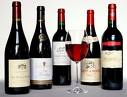 REDS:
REDS:
Light to medium weight: Beaujolais, Dry Rose’, Pinot Noir, Merlot, Chianti
Richer & fuller bodied: Cabernet Sauvignon, Malbec, Syrah (Shiraz), Zinfandel, Barolo
Once you’re ready to order, ask the waiter if you can test taste any of the wines selected. It’s possible an opened bottle may be available, and if it is, your server will be happy to let you sip first. If you are considering two or three possible selections, ask for glasses with a dollop of wine in each. There’s no better way to evaluate a wine than tasting before ordering.
If there are four or more wine drinkers at the table, you may need to order at least two bottles. If this occurs, it presents an opportunity during the dinner for others to taste a wine other than the one they are drinking. By encouraging these mini-tastings, you’ll create a learning moment while enhancing the fun factor.
When the wine arrives, the waiter will present the bottle to you. After all, you are the expert that placed the order. First, look at the label and confirm it’s what you selected and is the same vintage as shown on the wine list.
After it’s opened, the cork will be handed to you. There is no need to smell the cork since it will tell you very little about the wine’s quality. The tradition of smelling the cork actually originated in the early 1900s when wine fraud was prevalent in France. Often inferior wine would be bottled in used expensive bottles and sold at inflated prices. To guard against such fraud, diners would compare the printing on the cork to see if it matched the label. If it didn’t, the buyer knew he was being sold a cheaper wine. Today, such fraud is rare and smelling the cork became a fairly useless replacement for the original physical examination.
Rather than sniffing the cork, be alert for a dried or crumbly one, or one saturated with wine through the top. This could signal an over the hill bottle.
 Next, the waiter will serve you a small amount of wine for your approval. This part of the examination is important. Look for any off smells, particularly wet newspaper, vinegar, burnt match or wet dog. If you pick up any such odors, there’s no need to taste the wine. Call for the sommelier and have him address your concerns. If it’s a flaw, he will quickly confirm the problem and order another bottle. However, if there are no faults in either the aroma or taste, but you simply are not enamored with the wine, it’s not proper to reject the selection. The bottle is good, it’s been ordered and it should be consumed and paid for. In such situations, you have learned a valued lesson about that specific type of wine.
If a white has been ordered, it will typically be placed in an ice bucket. As the bottle is consumed, be on guard not to let it get too cold. An over chilled white will lose it fruit characteristics and become more acidic. With less than half a bottle left, you should remove it from the ice to maintain its flavor.
During the course of the meal, your waiter may periodically take the bottle and pour each guest more wine. If you wish to maintain control, simply advise staff that each diner will pour their own servings. This is a useful strategy since some people prefer less wine while others more, and it gives each diner control over their alcohol intake.
 Once the wine and food have been served, you can relax and enjoy your meal. Wines today are generally well made regardless of varietal or country of origin. Restaurants labor over their lists to assure the selections are creditable. As your companions enjoy their selections, your reputation as a knowledgeable wine person will be enhanced.
And next time the question is posed, “Will you please choose the wine?” you’ll respond confidently, “I’d be delighted to.”
Published in the Culpeper Times on September 24, 2009.
 SHARP ROCK VINEYARDS
2007 Cabernet Sauvignon
$22
Proprietor, winemaker and B&B owner Jimm East has produced a fine example of a rich Virginia Cabernet Sauvignon, a grape that can be a bit of a challenge to grow in the Old Dominion. From its deep garnet hues, to aromas redolent with smoke and black cherry, and finishing with a palate of black fruit and cassis, this is a serious red for serious wine drinkers. Pair this fifteen-month oak aged black beauty with Prime Rib and Yukon Gold potatoes. Drink now through 2013.
Sharp Rock Vineyards is located off Route 231—on one of its prettiest stretches in Virginia—at 5 Sharp Rock Road, Sperryville, VA 22740. The vineyards lay in the shadow of Old Rag Mountain and the quaint, rustic tasting room is opened from February through December, Friday to Sunday from 11am to 5pm. WWW.sharprockvineyards.com (540) 987-8020.
A VIEW FROM THE OTHER SIDE OF THE BAR
“Hello, we’d like to do a tasting for two”.
 Thus begins a ritual, repeated hundreds of times a day, in wineries across the Old Dominion.
And it is a line I have heard, in various reiterations, more often than I can recall. For the last six years, I have worked behind the tasting bars of three Virginia wineries. It’s been great fun. I have amassed a slew of memories, and perhaps some sage advice for folks headed out for a day of winery hopping.
My adventure in the wine industry began a few years after my retirement in 2001. After a career with a federal agency, the last fifteen representing my employer on Capitol Hill, I was ready for a change in workplace environment and lifestyle. OK, I admit it; I also needed a source of income for my growing green fee expenses.
My first employment in the industry did not land me the coveted job of greeting and pouring wines for guests. I started at the bottom of the barrel—literally. Responding to an ad in a local paper, I was hired as a “Cellar Assistant” at a moderately large winery, producing some 7,000 cases a year. Shortly after an introduction to the art of scrubbing floors and cleaning the inside of stainless steel tanks and oak barrels, I learned the trade title of my job was actually, “Cellar Rat”. I could not have been prouder. If only my former colleagues could see me now.
The first year of learning the wine business, literally from the cellar up, was what hooked me on my beloved second career. Understanding the world of wine is to drink from a bottomless cup. Today, in the United States, some 55,000 different bottlings are available daily across the country. Accumulating even a passing knowledge of the varietals, production techniques, and countries of origin—just from the local grocery store shelves–can be daunting. And attempting an in-depth understanding of wines worldwide is a life long endeavor. Ah, but the research is so much fun.
 Perhaps the most interesting aspect of my job was my newfound interest in touring Virginia wineries. Visiting beautiful settings and tasting quality wines, added a rich dimension to my retirement years. My quest was on to learn as much as possible about our state’s wines and winemaking techniques, and sharing my discoveries with family and friends.
After nearly a year of seeing wine produced from a yeast’s eye view, I joined the staff of a winery closer to my home. Having earned my stripes in the cool cellar world of wine, I embraced the challenge of the tasting room. On my first day, I felt a bit rattled standing behind the bar and purporting to talk knowledgeably about the wines. I struggled to assure myself that I did, in fact, taste the honeysuckle and peach on the Viognier and the raspberry notes of the Cabernet Franc. I felt certain my guests would challenge me if I got a wine profile wrong. But, it did not take long to understand that the majority of wine lovers, both novice and educated, share some of this angst.
 Americans have not been raised to focus on flavors and aromas in their food and beverages. We eat and drink, and declare our experiences either good or bad. Nonetheless, unwrapping the mysteries in a glass of wine greatly enhances its enjoyment. When I realized this little secret, I was eager to share my revelation with as many folks as possible. The hallmark of a successful tasting room employee is knowledge, framed by enthusiasm. As you love, so will your guests love.
I have gathered many wonderful stories from my years of wine pouring. Perhaps one of the more touching came from a white haired gentleman who slowly drove into our parking lot on a chilly March weekday, about three years ago. He sat alone in his car for a good five minutes as I watched from the window, not a soul at the bar. Finally, he made his way inside. During an hour of convivial conversation, his story unfolded. But, let’s have him share his tale.
“Me name is Bedford,” he said, as he stood at the bar, tentatively taking a sip of Viognier. “I come from a town in England called Bedford. My daughter gave me a book for Christmas last year, called the Bedford Boys. I have never traveled outside of England, but I have come to visit Bedford, Virginia.”
 “Really? And why?” I asked. It seems the old gentleman had vivid memories of World War II and the crucial role our GI s played in the liberation of Europe. During the D-Day invasion at Normandy, a Virginia village earned the heart crushing distinction of losing 21 of their young men, nineteen of the boys being killed within minutes of the beach landing. Today, a memorial to the fallen patriots is located in Bedford.
This gentle Englishman had come to America to pay his respects to the town that had made the ultimate sacrifice. And his first stop, after leaving the airport, was to visit a Virginia winery. He did not fully understand what a tasting room was, but he was eager to learn more about a state that produced such valiant men. As he slowly drove away, I felt privileged to have been a small part of his journey of respect.
So, what might I offer, in the way of advice, to wine lover visiting a tasting room? First, don’t attempt to visit more than three wineries in a day. Relax. Take your time. Your understanding and appreciation of the wines will reveal themselves more fully, if you simply slow down. The old chestnut, “haste makes waste”, should become your three-word management plan for extracting maximum enjoyment from each winery you visit.
Take at least three or four cellar tours during the early months of your tasting odyssey. You will gain greater insight into how wine is produced, enriching your understanding of both the simplicity–and complexity–of winemaking. Availing yourself of free tours is an educational opportunity that will deepen your delight of the fruit of the vine.
 Make observations on tasting note sheets so as to learn which wineries you have enjoyed visiting. A simple file kept at home will refresh you on the wines you found most delightful. It can also lead to a compilation of your “Top Ten” favorite establishments.
Another fun way to better understand Virginia wines is to drink them along side a bottle of the same varietal, from another state or country. Sound wasteful or over indulgent? Not at all. For instance, at home, open a bottle of Virginia Chardonnay and a bottle of California Chardonnay, and sip and compare both simultaneously. Then, use the rubber stopper and pump method to keep the remaining wines fresh for the next few days, and enjoy the experience over again. Comparing wines enhances your appreciation and knowledge of like varietals hailing from different wine producing regions.
Engage your fellow tasters during your tastings. Often, I have seen wonderful exchanges unfold as complete strangers begin a conversation about their mutual love of wine. And don’t be surprised if your newfound friends hail from distant states, or even overseas. Tasting room guests are drawn from points worldwide.
Ask questions freely. Your hosts will enjoy educating you in a variety of wine related subjects. And if they happen not to know the answer to a query, it should send them scurrying to get the information, and be ready the next time the subject comes up. I enjoy being stumped with a wine question. It presents an opportunity to grow my knowledge and be ready when the same question inevitably crops up.
 Finally, if you find your love of all things wine increasing, consider seeking a job behind the tasting bar yourself. Many wineries are looking for part-time employees, especially on weekends and holidays, when the crowds swell. You are typically offered generous discounts on wine purchases, and will be in the company of fellow enophiles. And the best part is the infectious camaraderie you will experience among both the guests and employees. It makes for a most enjoyable work environment.
So it’s true. Life is, indeed, a party. And it’s being celebrated daily in tasting rooms across our state.
Published in the 2009 Harvest edition of the Virginia Wine Gazette.
It Helps to Have a Sheepskin When Converting Grapes into Serious Wine
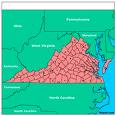
Virginia is ranked fifth in wine production nationally, behind California, Washington, Oregon and New York.
More importantly, however, is the quality of wine emanating from our state. In the last ten years, Virginia has increasingly garnered national attention due to its rising wine superiority. Proprietors of our wineries have labored hard to improve their vineyard and cellar operations. What often began as a hobby or a very small business for many has grown into a thriving commercial industry. These rigorous efforts to increase quality are paying tasty dividends for Virginia wine lovers.
 But another emerging impetus for the rise in quality is the arrival—in increasing numbers—of professional winemakers. These are experienced experts whose careers are centered on the commercial production of fine wine. As in most endeavors, a quality education counts.
The basic process of converting grapes into wine is simply a matter of letting yeast plunge into the fruit. After that, nature takes over. Yeast gormandize on the sugars in grape juice, creating carbon dioxide, alcohol and, of course, wine. Beyond that, keeping your environment clean would seemingly be the only steps in producing wine. Think again.
To take wine production to the level consumers expect today, a winemaker with a four-year degree in enology is a valued asset for any winery. Owners intent on achieving a reputation for consistent quality are increasingly handing the keys to their cellars over to these pros. This nascent movement is certain to further enhance Virginia’s wine reputation in the years ahead.
Just as you would expect your financial planning manager to possess a degree in finance or business, a growing number of wineries are hiring winemakers that have earned a Bachelor of Science in Enology and/or Viticulture.
 An enology degree, or the scientific study of winemaking, derives its name from the Greek words enos for wine, and logy for study. Viticulture is the study of grape growing and vineyard management. Together, these two disciplines combine to produce what is America’s fastest growing libation of choice.
The surging national interest in wine is also providing career opportunities for enology graduates interested in pursuing a career associated with the finer things in life. From a strictly financial perspective, the occupation of professional winemaker offers substantial job security; especially if they land a job at a cellar producing more than 5,000 cases a year.
Many analysts think the wine industry is largely recession proof. During these difficult economic times, AC Nielsen reports that wine sales showed the greatest growth of any category over the previous year. The number of stores selling wine increased 24% in 2009 over 2008. Even box wines sales shot up 41% during the same period. It seems when times get tough, the enjoyment of wine is enhanced by the calming effect on ones nerves. Good news for winemakers.
In the United States, there are a limited number of colleges offering degrees in enology and viticulture. Among the oldest and finest are the University of California Davis and California State University, Fresno. Washington State University also has a degree program, as does Cornell University in New York. Understandably, Cornell’s focus is on wines grown in the cooler regions of the East Coast’s continental climate, while the California schools curriculum is centered on wines produced in its Mediterranean climes.
Our own Virginia Tech in Blacksburg does not offer a degree in enology or viticulture. Currently, there are not a sufficient number of potential candidates to support a separate degree program. But, the university provides the state’s wineries invaluable support through its Grape Chemistry Group. Dr. Bruce Zoeklein, an internationally known enologist and specialist in Virginia winemaking, heads the department and is widely credited with Virginia’s wine advancement in the last two decades.
While the romance of winemaking is undeniable, anyone considering a degree in enology or viticulture will quickly face the intellectual demands behind earning the sheepskin. Past strong academic performance is a valued asset. A four-year degree program involves intense and often-grueling work centered on chemistry, mathematics, statistics, biology and related sciences. It is not a degree to be pursued for those who pulled all nighters to pass chemistry 101.
 Over the course of four years, a student will drill deeply into the world of chemical analysis of fermentations, microbial control, yeast conversions, clonal impact, sensory evaluation, plant physiology & pathology, macroeconomics, genetics, winery management, marketing and more. Scholars must bring their A game to class each day.
In addition to the rigorous classroom and lab work, students often perform internships. These off-campus assignments provide opportunities to apply their hard-earned book learning to the real world environment of a winery. This is where the rubber meets the road—or more appropriately–where the vine meets the wine. Producing wine, in a real time environment, rounds out the campus experience and puts the finishing polish on a student’s educational bona fides.
Once a person becomes a professional enologist, there often follows a self-elected tour aboard to gain further insight into the wide-range of winemaking styles. It is not uncommon for a professional winemaker to travel to France, Italy, Australia, Chile or other major winemaking nations to further burnish his or her credentials and gain a broader understanding of the art and science of winemaking.
Here in Virginia, we have winemakers not only with degrees earned in the United States but also France, Italy and South Africa. These vintners are attracted by the potential in Old Dominion wines. Wine talent often would rather advance professionally and become leaders in Virginia, rather than labor in obscurity in California or France among an army of enolgists.
In point, it is these individuals that are setting the stage for Virginia’s next leap to wine greatness. As the quality of our wines improve, pressure is increasingly brought to bear on all state wineries to excel. To stretch the point a bit, one might claim that in Darwin’s wine world of natural selection, it’s not monkeys that are evolving to a higher level but grape cultivation and winemaking.
 None of this discussion is meant to diminish the achievements of the self-taught winemakers who have placed Virginia on the national wine map. Their impressive accomplishments are evident with each bottle we open. Nevertheless, we are poised to have a growing cadre of professionally trained and talented artists further advance Virginia’s national wine reputation.
Published in the 2009 Harvest edition of the Virginia Wine Gazette.
 In 1862, as the tragedy of the American Civil War unfolded, an invasion of European vineyards began. In this instance, it was an army the United States had unwittingly launched against wine lovers. The resulting conflict came within a grape leaf of destroying wine worldwide.
Could it happen again? Perhaps.
Our story begins in New York State where an amateur horticulturalist sent his friend, Monsieur Borty, a wine merchant in southern France, a case of native grapevines. This was an era of intense interest in Europe in importing novel and exotic plants from around the world. The Victorian scientific community was being swept up in the excitement of reproducing these plants for both scientific and commercial purposes. The advent of steamship travel meant that flora could be speedily shipped to the continent without fear of the cargo dying in transit.
Merchant Borty was quite pleased with his gift from America and promptly planted the vines in his small vineyard. Forebodingly though, within two years, vines in the surrounding southern Rhone Valley began to wither and die. Our Frenchman would go down in history as almost precipitating the demise of wine. Not a nice legacy.

Phylloxera
So what was this invading horde and why were they so powerful? It was a tiny root-sucking aphid known as Phylloxera. And billions of them quickly began attacking the roots of the Vitis vinifera wine species, which produces ninety-nine percent of the world’s wine, then and now.
The success of the microscopic-size insect was due to the vulnerability of the European vines. Over eons, the little critter had been sucking on the roots of indigenous American grapevines with minimal damage. As is often the case in natural selection, our vines had slowly thrown up a defensive shield that protected them from destruction by the root muncher. In fact, smart parasites don’t often kill their hosts—it’s not beneficial for their kids’ future. Rather, the host adopts a way to live with its nemesis and the parasite doesn’t push the relationship to a breaking point.
When the aphid landed on French soil, however, it couldn’t resist the succulent—and defenseless—grape vines; so tasty were their roots it wouldn’t stop eating till it killed the host. And it killed with a vengeance. By 1890, vineyards throughout the wine-growing world were nearly wiped out. Wine growers panicked and employed every known and untried treatment to stop the wholesale slaughter of their vines. These actions ranged from the scientific approach of trying to find a natural enemy of the Phylloxera, to the ridiculous treatment of releasing schoolboys from their classes twice daily to urinate over the vines. Yep, they were that desperate.
A more horrific, but analogous, catastrophe occurred when Europeans landed in the Americas and infected the Indians with smallpox and other diseases. It is estimated tens of millions of Native Americans were killed by microbes for which they had no natural resistance.
While the French government offered huge financial rewards for anyone who could defeat the grape plague, for years no satisfactory solution was forthcoming. Then, in a bit of brilliant deduction, it occurred to some scientists that grafting their precious vines onto American rootstock might afford protection from the aphid. And it worked. Nonetheless, a great debate broke out between those pinning their hopes on a chemical based defeat of the pest and those who believed grafting was the answer.
A major obstacle to wide spread grafting was the inconceivable idea that the elite, delicate and delicious European vines would be joined at the hip, so to speak, with the rustic and inferior American vines. The general attitude was that decent wine could not be produced through such a marriage. Yet, the idea slowly took hold—-literally—and it was eventually acknowledged that wine equal to that made before the devastation could be created through grafting.
America had caused the blight, and in an ironic twist, had solved the crisis.
 Today, almost all vines worldwide are grafted on to selected American rootstock to safely propagate the delicate Vitis vinifera grape. Only Chile and southern Australia are still growing wine grapes on original stock. In the case of Chile, it’s because the Andes mountain range on the east and the Pacific Ocean on the west, coupled with a loamy soil, have held the aphid at bay. In Australia, strict quarantine laws snatch the passports of any unwanted aphids considering a visit to their countryside.
So does this success story ensure the permanent health of our beloved wine grapes? Not necessarily. No cure, other than grafting, has ever been found to eliminate the threat. One hundred and forty–seven years after the devastation in Europe began Phylloxera still lurks in vineyards. Time and evolution could see a resurgence of the dreaded pest.
One example of how such a scenario could again unfold occurred in the late 1980s in California. During the 1960s and ‘70s, the state’s surging wine industry had widely planted their grapes on a rootstock dubbed AXR#1—a hybrid cross between American and vinifera species. Experts had assured vineyard managers that it was totally resistant to the aphid’s attack. Slowly, however, in classic Darwinian fashion, one vineyard after another began to succumb to a new biotype of the pest. The resulting damage cost the industry millions of dollars to tear out the vines and replant with trusted resistant rootstock.
Today, no significant research is underway to examine the complicated issues of defeating Phylloxera permanently. Since resistant rootstock safely produces wine, the incentive to find a solution is not great. But, given the strong likelihood that the aphid is currently morphing into yet another, stronger vine pest, now would seem to be the time to devote resources to defeating the scourge.
 If the industry chooses not to act, could it mean the end of the classic varietals someday? That’s somewhat remote, but why even consider the possibility. After all, can you imagine enjoying a glass of musky scuppernong with your filet mignon? Neither can I.
Published August 27, 2009 in the Culpeper Times.
GRAY GHOST VINEYARDS
2007 Reserve Chardonnay
$23
 The Kellert Family has again produced a quality wine in its 2007 Reserve Chardonnay. The wine was fermented and aged in new French oak and underwent 100% malolatic fermentation, a vintner’s process that creates a silky mouth feel and buttery finish. On the palate, this well-balanced white displays pear, apple and spice notes and a rich, satisfying finish. The wine medalled fifteen times, including a gold at the 2009 Lodi International Wine Competition. Pair this beauty with shrimp and scallops in butter sauce. Drink now through 2011.
Gray Ghost Vineyards is located at 14706 Lee Highway, Amissville, VA 20106. The tasting room is opened March through December, Friday—Sunday from 11am to 5 pm; and during January and February on weekends 11am to 5 pm. (540) 937-4869.
 Naked Mountain Vineyard
2006
Chardonnay
Proprietors Bob & Phoebe Harper have built a reputation on producing excellent Chardonnays and their gold medal winner ’06 Barrel Fermented Chard extends this track record. The wine displays citrus, apple and melon on the palate and finishes with subtle toasty and creamy caramel notes. Match this smooth and well-balanced white with a summery Grilled Chicken Caesar Salad. Drink now through 2010.
Naked Mountain Vineyard is located at 2747 Leeds Manor Road, Markham, VA 22643. The winery is situated on a beautiful mountainside with an expansive deck overlooking its vineyards. It is opened seven days a week from 11 am to 5 pm. (540) 364-1609.
 The interest in a healthy lifestyle is everywhere present.
Pick up almost any newspaper or magazine, or log on to the web, and the issue of how health and life can be enhanced by choosing wisely is likely discussed.
In the industrialized world, access to health education and the products that make life worth living are readily available. It also brings into sharp focus those countries that do not have the resources or leadership to properly care for their populations. The scenes of poor health, hunger and disease are distressing. We are a most fortunate nation.
Of course, having access to health information and failing to act on it is to potentially squander years of productive living. One must embrace change to achieve benefits. Often that’s not easy. Health discipline is seriously challenged when it comes face to face with a juicy cheeseburger, French fries and a double-dipped ice cream cone. Darn, why can’t have it all?
Well, perhaps we can. Let’s talk wine and health.
No need to extol the pleasures of the fermented grape for practicing wine lovers. If you are sipper, it’s stating the obvious to wax on the enjoyment of a chilled glass of Sauvignon Blanc on a warm summer evening. Or, the bold taste of a Malbec sipped before a cozy winter fire. Tasting is the only act of persuasion needed here.
But, for those who do not drink wine, there is a litany of reasons to take a closer look at what a glass with your evening meal can offer health-wise. Not to mention the social enjoyment that wine and food add to any gathering.
Here is a quick recap of some of the latest health studies published in the May 2009 issue of Wine Spectator on the benefits of moderate wine consumption. And let’s underscore moderate. The abuse of alcohol destroys health; it does not enhance it. So let’s say it just one more time. Everything. In. Moderation.
 Heart
Heart
Since 1991 and the 60 Minutes broadcast titled, The French Paradox, evidence has mounted that wine aids circulation and general heart health. Over two decades of research strongly suggests that wine, particularly red wine, can reduce the risk of arteriosclerosis and heart attacks by as much as 60 percent. A 2007 Harvard study found that men with hypertension could lower their risk of a heart attack by 30 percent by drinking a glass or two of wine daily. Red wine also reduces the bad cholesterol LDL, while simultaneously increasing beneficial HDL. It also combats the buildup of fatty deposits. Wine drinkers also tend to eat healthier diets, smoke less and exercise more—positive health habits with a host of life giving benefits.
Dementia
Several studies show wine consumption may help delay the onset of Alzheimer’s due to the action of grape seed polyphenols that block the formation of plaque proteins in the brain that kill brain cells.
Arthritis
Five to ten glasses of wine a week can reduce rheumatoid arthritis by up to 50%. It also increases bone density in elderly women, possibly lowering the risk of osteoporosis.
 Colds & Flu
A polyphenol found in wine called Quercetin—an anti-inflammatory—may block the ability of the influenza virus to grow itself and thus reduce the likelihood of colds.
Diabetes
Wine drinkers earn a lower the risk of developing the disease by 58% over that of non-drinkers.
Throat Cancer
The antioxidants in wine may reduce such cancers by offering protection from the onset of Barrett’s Esophagus—a precursor to esophageal cancer.
Women and Wine
Women should be cautious when considering alcohol in general since studies have shown an elevated cancer risk, especially breast cancer. But, one study revealed that a polyphenol in red wine suppresses the metabolism of estrogen, protecting cells from becoming cancerous. Boston Medical School studies have shown that women who do not binge drink, have adequate folate intake and are not on hormone-replacement treatment only exhibit an increased risk of breast cancer with consumption of more than seven ounces of wine a day. This is an important finding because moderate alcohol consumption lowers women’s risk of death from heart disease, stroke, hip fracture and dementia.
Studies have also shown one to two glasses of wine daily cuts the risk of ovarian cancer in half over non-drinkers.
Lungs
California researches found that men who drink red wine have a lower risk of lung cancer than nondrinkers. Nonsmoking men who drank a glass or two a day were four percent less likely to develop lung cancer that nondrinkers. Even smokers had a reduced rate of the disease but still higher than nonsmokers.
Headaches
In some people wine can cause headaches, more often with red than white. The sulfites in wine are often blamed for this effect but research does not support this theory. More likely, an amino acid call tyramine, found especially in reds, may be the culprit. Tyramine is an active substance that causes dilation and contraction of blood vessels. The substance is created when wine goes through a secondary fermentation called malolactic that softens a wine’s mouth feel and creates an overall richer taste. Tyramine can also trigger the release of adrenaline into the blood stream about three hours after ingestion. This could be the reason why some people who wake at night after drinking wine cannot get back to sleep. Wine lovers simply need to monitor their reaction to drinking and adjust their intake accordingly.
Stomach
Israeli researches found that red wine helps the stomach remove potentially harmful substances found in red meats, aiding digestion and lowering the risk of arteriosclerosis, type 2 diabetes and colon cancer.
The enjoyment of wine has a history extending back over 7,000 years. As modern science delves more deeply into the health benefits of wine, it’s proving our ancestors prescient. The Romans, indeed, had it right—In vino veritas—In wine truth.
 But, as the list of reasons why wine is good for us grows, perhaps we should update the saying to read: In vino veritas et sanitas—In wine truth & health.
Published on July 30,2009 in the Culpeper Times.

Bottling by gravity hose
Today I bottled the last of my 2008 wines.
Overall, it was a successful vintage producing high quality fruit—the key to making decent wine.
As an amateur winemaker, my objective is to bottle all my wines the year following harvest. This is opposed to a professional winery that ages most of their reds—and some whites—for extended periods. A full-bodied professionally made Cabernet Franc can rest in the barrel for up to eighteen months before being transferred to its final resting place, the bottle.
The reason many home winemakers do not employ extended aging is the lack of vessel capacity and cellar space. The use of oak barrels for aging wine is fraught with many problems. Foremost is the opportunity for a host of microbes to take up residence in an oak barrel. Keeping oak vessels clean requires vigilance of the first order. Secondly, while oak barrels are sold in capacities less than sixty gallons, the conventional 227-liter barrel possess the perfect wine to wood ratio for aging. Perhaps more importantly, a standard size barrel weights eighty pounds empty and 600 pounds filled with wine. Not many basement winemakers could easily move a full barrel around their cellar—unless they were built like the Terminator.
 The solution? Six-gallon glass carboys. I have twenty-four of these containers in my cellar and they perform admirably. They are easily cleaned and moved at will, since filled they weigh around fifty-five pounds each. Oak chips fulfill the oak barrel nuance I am seeking in my wines. I learned that technique from the Aussies who use chips and oak staves to create oak impact for much of their wine. Since I will utilize all of the carboys for the incoming ’09 vinatage, my goal is to bottle all of my wines prior to late August. Wine will age nicely in the bottle, and in fact, mine is doing just that as I verily write. No extended cellar aging for this winemaker…the bottle is my barrel.
So if quality fruit is key to a good wine, how does a home winemaker obtain premium wine grapes? A variety of options are available, ranging from Internet purchases to buying grapes from East Coast brokers who have fruit bulk shipped from California.
As an employee of a Virginia winery—Rappahannock Cellars—I have come to know a number of owners and professional winemakers in the industry. All of them have provided me invaluable advice about the science and art of winemaking. And, they are willing to sell me both fresh juice and fruit.
Managing a Virginia vineyard is difficult work requiring constant attention to detail such as leaf pulling, pruning, spraying and irrigation throughout the long growing season. Many commercial wineries are loath to sell wine grapes that have taken so much work to produce. I am grateful to men like John Delmare, Andy Regan, Chris Pearmund, Stephen Barnard, Bill Swain and others who have indulged my passion for winemaking by graciously selling me a small portion of their exceptional fruit. This year I produced the following wines: Chardonnay, Viognier, Pinot Grigio, Riesling, Seyval Blanc, Cabernet Sauvignon, Malbec, Tannat, and Zinfandel.

2008 Hagarty Cellars
Given the quality and availability of the 2008 vintage, I produced about 700 bottles of red and white wine; or almost sixty cases. By comparison, an average sized Virginia winery produces about 4,000 cases annually. And to put it in even greater perspective, E&J Gallo Winery bottled 66 million cases of wine last year. That’s a lot of vino.
With the ’08 vintage behind me, I am gearing up to order the necessary supplies for the ’09 harvest, which will be arriving during September and October. I will need wine yeast, sulfur dioxide, new rubber hoses for pumping, corks, bottles, filters and other basic supplies requiring annual replenishment.
As summer moves into its final stages, excitement begins to mount throughout the wine industry. The anticipation felt by the home winemaker is equal to that of the pros. I might be small but my eagerness to produce the best bottle of wine I ever made is the same hopeful expectation of the big boys.
 And who knows, 2009 just might be the year.
 Pearmund Cellars
2007 Petit Verdot
Price: $25
Chris Pearmund—one of the hardest working guys in Virginia wine—has found the time to create a solid rendition of what could be Virginia’s next big red wine grape. Petit Verdot is a classic blending grape, but here is an example of a 100% varietal requiring no other reds to enhance its flavor. This robust wine has layers of blackberry, black cherry and spice on the palate. There’s nothing petite about this Petit. Stocks of this reserve wine are limited so head over to the eponymous Pearmund Cellars to score a few bottles. And don’t forget the baby back ribs on your return home.
Pearmund Cellars is surrounded by its beautiful vineyards and is located at 6190 Georgetown Road, Broad Run, VA 20137. The winery is opened seven days a week, 10am to 6 pm.
(540) 347-3475
 When we pull the cork on a favorite bottle of wine, the last thought likely to cross our mind is, “So, how is this stuff made”?
But, it’s a great question. It’s a bit surprising we don’t focus more often on how a winemaker does what he does. Most likely, we are simply eager to smell and taste our freshly released libation, rather than spend time cogitating on its production. This is good. There is too much going on in our lives today to get sidetracked on why wine is wine.
Nonetheless, on occasion, it’s useful to gain a better understanding of the why and how of something. It can enrich our enjoyment of the thing in question and deepen our understanding of how it came to be.
In the case of wine, this is the occasion.
Throughout the world, the fall season is harvest time for wine grapes. In Virginia, white grapes are brought into the winery in September and the reds in October. This period is known as the “crush”-from the traditional act of crushing the fruit prior to fermentation. These two months, in which vivid golds, yellows and reds are splashed across the landscape, is the end of a year’s worth of meticulous vineyard work.
Wine grapes are harvested during the early morning hours, whenever possible, to keep the fruit cool and retain full flavor. Vineyard workers quickly, but gently, cut each cluster by hand and drop it in into plastic containers called “lugs.” When filled, the thirty-five pound yellow boxes dot the vineyard waiting to be placed on a tractor bed and taken to the winery. In the case of white grapes, the fruit is destemmed and crushed by machine, and the slurry poured into large presses. Over the course of two to three hours, the juice is gently pressed from the grapes and then pumped into stainless steel tanks or oak barrels. The dried raisin-like remains are discarded, or better yet, taken to compost piles to be used as vineyard fertilizer the following year.
About a month later, the red grapes are gathered in. Here the difference between making white and red wine is most evident. The reds are destemmed and then gently crushed, just as the whites. But, as opposed to pressing the white grapes and tossing the skins and pulp away, red wine is produced by fermenting the entire mixture of juice, skins and pulp together. This slurry, called “must,” is how red wine achieves its color and tannic backbone, key elements enabling it to age longer than a white.
In a completely natural environment, grape juice will begin fermentation on its own. However, intermingled with the beneficial natural yeasts that cling to the waxy substance on the grapes, there often lurks nasty yeasts that will take the wine to places we don’t won’t it to go; unless of course, you have a preference for wine that smells like a barnyard, or worse. To prevent this possible contamination, most wine today is made using commercial wine yeasts. These are natural yeast that are isolated and cloned for winery use worldwide. These catalysts are created to emphasize an array of aromatic and flavor profiles and quickly and safely turn the precious juice into clean, flavorful wine.
 Another important distinction between white and red fermentations is temperature. White wine is fermented between fifty-five to sixty-five degrees to help retain aroma and flavor, while red wine is powered to dryness at up to ninety degrees to extract as much color and tannin as possible. The whites can take four weeks to ferment while the reds often become wine in less than a week.
Once the juice has been safely transformed into wine, the aging process begins. The wine contains large amounts of dead yeast cells and other debris. These materials begin to slowly precipitate out of the wine through the force of gravity. Periodically each tank or barrel of wine will be “racked,” a process of pumping the wine off the settled debris, or “lees.”
Slowly, over a period of months, the wine begins to clarify. Eventually, white wine is “fined.” This process involves adding an agent to the wine, such as a high quality powdered clay, that acts like Velcro, pulling the final particles out of suspension and leaving a clear wine. Today, many winemakers do not fine their reds but simply let time clarify them since the aging process for the reds is much longer than for whites.
Throughout the aging process, pH, acidity, residual sugar and other vital markers are regularly monitored and adjusted as needed. One additive that causes concern among some wine drinkers is the use of sulfur dioxide as a disinfectant. Sulfur has been used for hundreds of years to protect wine from microbial infections. If it was not widely employed, most wine could not survive for more than a year or so. If you are concerned about the use of sulfur dioxide in wine, consider that a package of dried fruit contains up to twenty times the amount of sulfur than a bottle of wine. It is also found in a variety of other foods, such as fruit juices, lunchmeats, jams and baking supplies. Thank heaven for sulfur.
The distinction between whites and reds continues when it comes to the bottling. Unlike red wine that benefits from extended aging for up to twenty-four months, the whites are normally bottled young. The converted juice of white grapes hanging in the vineyard in August might well be resting on a wine shop shelf the following May. Young, fresh and exuberant, that’s how we like our whites.
As the wines mature, another critical process comes into play-blending bench trials. This is a procedure the winemaker may employ to produce the best wine. While some wines are not blended-more often whites-many of today’s reds and some whites are a blend of two or more wines. Blending can increase the wine’s complexity, flavor, mouthfeel and depth. Much effort goes into evaluating which blends take a wine to a higher level of enjoyment. The culmination of the bench trials reinforces the truism that the whole is greater than sum of its individual parts.
Finally, the day arrives when all the effort to create a gold medal winner must go into the bottle. In Virginia, many wineries employ a contracted mobile bottling line, built into an eighteen-wheeler rig, to perform the actual bottling. While it is the completion of the winemaker’s art, most find it the least enjoyable part of the process. The equipment is complicated and susceptible to mechanical failure. Combined with the physical demands of lugging hoses, forklifting cases of bottles and stacking the finished wine in tight warehouse quarters, the entire winery staff is most happy when they see the bottling rig hit second gear and leave the property.
 Most wineries in our state offer tours along with their tastings. If you have not availed yourself of this educational experience, you are missing an opportunity to bring the art of winemaking alive. To stroll around a wine cellar and have your guide explain the intriguing process of making wine is to better understand the dedication involved in taking the grape from the vine to the wine.
Published on June 25, 2009 in the Culpeper Times.
Rain, rain go away come again…
 Perhaps the old English nursery rhyme was on the minds of some of the one hundred and fifty guests during the reception at the Summer Solstice Farm Dinner held on Saturday, June 20. The event, a benefit for farmland preservation in Rappahannock County, Virginia, was threatened with rain, as a steady down pour fell throughout much of the day.
 But, as if on a Hollywood cue, late in the afternoon the clouds parted, a gentle breeze picked up and an extraordinary evening began to unfold on the beautiful Cliff and Lucille Miller Mount Vernon Farm in Sperryville. The unique elements of the evening evolved much like an artist working at his canvas: an historic farm house dating to 1827; a world-class chef and his sommelier in the field kitchen; a concert size tent placed in a mountain meadow high above the village of Sperryville, and the Blue Ridge Mountains framing the entire scene. In a word, wow.
 In this milieu, locally raised produce, lamb, and wines were served to a group of loyal supporters celebrating the county’s farmers. A hammer dulcimer band played in the background as a four-course dinner was served following the reception hour. As the sun faded over the mountains and night fell, everyone knew they had experienced a unique dining experience.
Jean and I represented Rappahannock Cellars at the event. I introduced our wines, the ’08 Seyval Blanc, poured during the reception, and our ’07 Cabernet Franc, paired with the main course of Roasted Loin of Lamb with Daube of Braised Shoulder, New Potatoes and Young Onions.
 Chef-Owner Cathal Armstrong and General Manger & Sommelier Todd Thrasher, from Restaurant Eve in Alexandria, created a repast not soon to be forgotten by the fortunate diners.
The dinner was organized by Gourmet Rappahanannock Food & Wine Consortium, the Rappahannock Office of Tourism, and the Rappahannock Non-Profit Center at Mount Vernon Farm.
WINE LEGEND LAID FOOTINGS FOR VIRGINIA INDUSTRY
How would you describe a successful Virginia winery today?
 Produces 35,000 cases a year? Winner of two Governor’s Cups and myriad other medals and awards? Distributed in fourteen states? A client list of thirty-five restaurants and wine shops in Washington, DC? And oh, the proprietor and winemaker a graduate of Oxford?
A succinct description. But, the business profile of our hypothetical winery is accurate except for the year. It was, in fact, the actual performance of the second commercial winery to open in the Old Dominion, Meredyth Vineyards, located in Middleburg. And it reached this level of success twenty-four years ago, in 1985.
The driving force behind this remarkable story was Archie M. Smith III, who died of complications of cancer on January 3 this year.
Archie M. Smith Jr., and his son Archie M. III, built the most successful winery in Virginia when the industry was in its embryonic stage. Archie, Jr. was a struggling cattle farmer in Middleburg when he conceived the idea of growing wine grapes instead of herding cows. Many of his fellow farmers scoffed at the idea of making wine in Virginia, much less turning it into a viable enterprise.
But, father and son had contrarian views. Perhaps it was the aggressive and courageous streak that ran through both men that turned a questionable venture into a booming business.
 Archie Jr. had been a World War II Marine fighter pilot. During the battle for Okinawa, his F4U Corsair was shot down and he had to ditch in the Pacific Ocean near Guadalcanal. Native “Coastal Watchers” rescued him. The following night, he was silently rowed to a waiting submarine and safely returned to his assigned aircraft carrier.
His son, Archie III, graduated from the University of Virginia and attended Oxford University, receiving a degree in Philosophy and continuing on as an Associate Professor. Clearly, intelligence and determination played a significant role in the formation of both men and their success.
In 1977, two years after the winery was founded, Archie’s father convinced his son to return from England and take control of the fledging business. Archie’s experience as the coach and captain of Oxford’s competitive wine tasting team might have been the impetus that pulled him back across the Atlantic. But, whatever the motivator, it was an easy decision for Archie given his love of rural Virginia and creative instincts.
In the early years, the vineyard was planted almost exclusively in hybrid varieties such as Seyval Blanc, Villard Blanc, Rayon d’or, Aurora, Marechal Foch, Villard Noir and others. The planting of the Vitis Vinifera species—which produces ninety-nine percent of the world’s wines—had not yet begun in Virginia. When the breakthrough did occur, Meredyth Vineyards led the way producing some of the first Cabernet Sauvignon, Chardonnay and Merlot on a commercial basis.
The story of Meredyth—the Welsh spelling and the name of Archie’s maternal great grandmother—also embraced other family members. Archie’s sister, Susan, served as director of marketing, traveling tirelessly in the early years promoting the wines and is credited with its extensive distribution. And his younger brother, Robby, with a degree in architecture from Tulane, designed the winery’s permanent tasting room and wine cellar.
 Nonetheless, it was Archie III who brought his formidable powers of intellect and passion to bear on the wines and their acceptance in the market place. Beyond his commitment to the family business, he became actively involved in the state’s emerging wine industry. He was a member of the Virginia Wine Growers Advisory Board, serving as chairman for a period. He also was president of the Virginia Wineries Association. These were important organizations created when only a handful of wineries existed statewide. Today, we largely take for granted the early support groups that helped catapult Virginia to the top tier of wine producing states.
One of the most far-reaching actions that Archie and his father undertook was their work in achieving passage of the Virginia Farm Winery Law in 1980. One important element of the law was the right granted to farm wineries to operate a retail outlet in the form of a tasting room. A winery’s success is closely tied to the “sip in order to sell” concept. Once a potential customer experienced a producer’s quality wines, sales began to accelerate. Both father and son recognized the importance of this freedom early on and worked tirelessly to make it a reality. The proof of their wisdom was reflected in the rapid expansion of the industry after the law was enacted.
As Meredyth’s success grew, it began attracting a host of wine lovers out to enjoy a day in the Virginia countryside. Visitors included philosophers, Oxford intellectuals, eclectic individuals of a wide variety and the general public. Archie surrounded himself with family, friends and, of course, the de rigueur friendly wine dogs. Beyond the tasting room, the winery hosted the first wine dinner in Virginia, followed by weddings, receptions and parties, all done in a low-key style compatible with its bucolic surroundings.
Reflecting his academic background, Archie began writing widely on the subject of wine. Advancing the interests of Virginia, he penned a regular column for Wine East magazine. Michael O’Donnell, owner of one of the state’s first circuit rider bottling firms, recalls Archie telling him during a bottling operation to, “Always challenge people to think.” It was admonition that was at the center of Archie’s worldview; all things improve with thoughtful consideration followed by action. Evidence of this belief was the awards and accolades that accumulated over the years.
 In 1986, he produced a custom bottling for the Washington Redskins to celebrate its 50th anniversary. He also enlisted noted sommeliers and wine critics to act as judges in the Governor’s Cup competition. Archie knew that to earn gravitas and national recognition, the knowledge of the judges rating the state’s wines had to be of the first order. In 1988, Governor Gerald Baliles honored the Smith family with a personal visit to the winery, recognizing the important role they were playing in the establishment of the industry in Virginia.
When Archie’s father decided to retire in 1993, the land was sold and leased back to the Smith family so that the vineyard and winery could continue. In 1998, Archie’s father passed away followed two years later with the death of his mother. Insufficient operating capital, coupled with Archie’s declining health, led to the painful decision to shutter the winery’s doors in 2000.
In retirement, Archie continued to write, focusing on philosophy articles, short stories and a book on philosophy and wine, which was not completed before his death.
 Today, in tasting rooms throughout the state, the daily soft clinking of wine glasses and the murmur of convivial conversation is the legacy that Archie M. Smith III has left to all Virginia wine lovers.
Published in the 2009 summer edition of the Virginia Wine Gazette.
On June 7, 2009—a quintessential soft summer evening in the Nation’s Capital— Rappahannock Cellars was honored to participate in the 27th annual Restaurant Association Metropolitan Washington awards gala, honoring the “best of the best” of the District’s restaurant industry.
 The event was held at the Omni Shoreman Hotel and featured an impressive reception with entertainment, followed by dinner and dancing.
Rappahannock Cellars was among a select number of Virginia wineries to have its wine poured for the 1,200 guests. Our 2006 Meritage was served at the Virginia Wine Station during the dinner reception.
The RAMMY awards ceremony is held annually to recognize the best restaurateurs, chefs and food service industry employees in the Nation’s Capital. Because of the combined efforts of these professionals, Washington, DC is recognized as a major global gastronomic destination.
I was fortunate to attend the gala and meet many of the honored restaurant owners and managers. Among the media representatives in attendance was, John Kelly, Metro Columnist, for The Washington Post. John took a moment to evaluate our wine and was pleased with Virginia’s representation at the event.
Rappahannock Cellars is recognized as one of the top wine producers in Virginia, as exemplified by its motto, Revolutionizing Virginia Wine.
Gadino Cellars
2008 Pinot Grigio
Bill Gadino, proprietor and winemaker, has taken his ancestral country’s popular grape and produced a spot-on Italian version of the perfect summer wine. Released in concert with the 40th anniversary of the Virginia is for Lovers tourism slogan, this limited edition anniversary wine is a winner. Pale lemon in color, it is replete with lemon, apple and citrus on the palate. Stainless steel fermented, this dry white was hanging in the vineyard just last September. This as close as you’ll get to drinking wine as fresh grapes.
Gadino Cellars is located in the beautiful rolling countryside of Rappahannock County, at 92 Schoolhouse Road, Washington, VA 22747. The winery is opened Friday to Sunday, and Monday holidays, 11:30am to 5 pm. Saturdays 11:30am to 6pm.
(540) 987-9292.


