
Archive for WINE ARTICLES
The skill required in growing a successful home garden earns the backyard horticulturalist the rightful claim to a green thumb.
But, put that same skill to commercial use and your success or failure simply keeps you in business, or not. And if you happened to choose to grow the delicate European wine grape, the challenge is magnified greatly. Growing wine grapes is an exacting business. Plunge in at your own discretion.
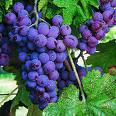 Why all the heartache in nurturing a simple fruit like a grape? In Virginia, it’s because, frankly, the vine is not particularly fond of our neighborhood. Don’t take it personally. Virginia is still for lovers. It’s just that if it had its way, the delicate Vitis Vinifera wine species would move back to its Mediterranean and European haunts. Virginia’s climate is a bit too rustic for its noble blood.
Fortunately, there are several hundred Virginia wine growers who ignore this grapey attitude. Mighty good news for us wine drinkers. Ninety-nine percent of the world’s wine is produced from this delicate species. Without it, here in the Middle Atlantic States, we would be drinking wines made exclusively from hybrids and native fruit. In fact, for the better part of 350 years, that was the only wine crop cultivated in the Old Dominion. And even then, it was a minuscule amount. Some hybrids do make excellent wine, but much of it can’t match the finesse of the old world grapes.
In the wine industry, the winemaker is often the person to receive the accolades and gold medals. But, the vineyard manager is equally–if not more so–responsible for the finished product. The old adage, “You don’t make great wine, you grow it,” is such a time worn expression simply because it’s true. The job of the viticulturist is a demanding, year-round occupation and critical to the success of any winery.
So, let’s pull on our Wellingtons and spend a quick year in a virtual Virginia vineyard.
We’ll begin our internship after the harvest, which occurs in September and October.
The months of November and December are the quietest of the year. The trellis system now supports a scramble of naked vines that during the growing season held a canopy of dense leaves and grape clusters. In the early winter, however, the vines simply remind us of Phyllis Diller’s electrified hair. These vines will remain untouched until January to allow them to winter harden. During this period, maintenance of equipment, repairing the trellis system and patching holes in the deer fencing will be our primary focus. And yes, taking an occasional sip of last year’s wines, to make sure they are aging nicely, is also on the “to do” list.
In January, with the coldest part of winter upon us, we begin to venture into the vineyard and start the annual pruning. Pruning is undertaken to remove last year’s growth so as to stimulate the entire vine to produce an abundant new crop. If we did not prune, during the summer the vines would quickly be overgrown, and the quantity and quality of the fruit would decline.
Legend has it that pruning was first employed hundreds of years ago after a monk, visiting a neighboring monastery during the Christmas season, tied up his donkey to the last post in a vineyard row. The animal worked itself free and spent the day happily munching on the bare vines. Upon the return of his owner, the beast of burden had eaten its way down an entire row, now shorn of its jumble of dried vegetation. The following year, this row produced the heaviest crop of grapes, and winter pruning was recognized as a key element in establishing a successful vineyard.
With solar energy increasing each day during April and May, the vines begin to surge with life. This can be the single most fearful time of the year for us. Our enemy is a spring frost. With the buds just on the cusp of breaking open, flowering and pollinating the entire vineyard, they are extremely vulnerable to death by freezing. If this happens, our entire vineyard can be wiped out overnight. Wineries employ a variety of strategies to prevent this catastrophe from occurring; including the use of smudge pots, wind machines, and spraying water on the plants to act as an insulator. Even helicopters have been employed to sweep back and forth over a vineyard at night, forcing warmer upper air down on the shivering vines.
 It’s with a great sigh of relief that June and July arrive. The summer will find us spraying the vines to protect them from an assortment of mildews and insects. In Virginia, sustainable agriculture is employed, not organic. Most vineyards apply chemicals and pesticides in a judicious manner. But, to attempt growing the vulnerable vines organically, without any protection from the army of beetles, aphids, fungus and mildews would be to oversee a devastated crop. More ominously, it would mean no wine. I thought you would understand.
During August we begin to see the grapes dress themselves in their traditional colors-golden yellow for the whites and deep purple for the reds. This process is called veraison, or the turning of color, and signals a softening of the fruit with a concurrent increase in sugar production. The plant is shifting from growing to flavor development. As we prowl the vineyard, we will look for clusters that are underdeveloped or excessive in number, cutting, or dropping, the fruit. This thinning process provides the vine additional energy to fully ripen the remaining crop.
In September and October, all of our labors are coming to fruition. During this period, both the vineyard manager and the winemaker regularly walk the vineyard, taking samples of the fruit and measuring and tasting its quality. Technical analysis of the levels of sugar, acid and pH are also monitored. When all of these parameters come into harmony, the signal is given to harvest.
The whites are taken in throughout September. The reds are harvested in October, to provide additional ripening time.
The actual harvest occurs during the cool morning periods, if possible. Fruit taken during the heat of the day can lessen its quality and reduce the caliber of the wine produced. During this period-called the Crush-activity at a winery is hectic. Tractors, forklifts, crusher/destemmers, presses, winery workers and thousands of frenetic bees, collide in a dance of excitement and anticipation of the wine to be created. OK, the bees are simply sugar crazy.
As the harvest draws to close and the fermenting wine joyfully bubbles away day and night, its time to slip off our boots and reflect on the year behind us. If we paid careful attention to each step in the fruit’s production, our reward will be blue ribbons and gold medals arriving in the mail next year.
 But, our greatest satisfaction is knowing that our labor will provide wine lovers around the state with another vintage of enjoyment. We have successfully transformed the vine into the wine.
Published May 28, 2009, in the Culpeper Times
 Unlike professional wineries, home winemakers don’t typically bulk age their wines for extended periods. To do so requires extra storage vessels. Moreover, bulk aging for longer than a year takes precious space many amateurs do not have available.
Thus, my goal each year is have all twenty-four of my six-gallon carboys cleaned and ready to receive new wine by August. One six-gallon container produces thirty bottles of wine. In Virginia, white grapes are harvested throughout September and the reds in October, so this schedule gives me some breathing room before next year’s wines are ready to flow into their waiting cocoons.
With this pending pressure on capacity, I have now bottled all of my white wines and about twenty-five percent of my reds. Wine will age nicely in the bottle and most of my ’08 reds under cork will not be consumed until 2010 and beyond. The 2008 vintage will produce a total of sixty-five cases, which sounds like a lot wine-and it is. But fortunately, all of my extended family enjoys wine, so a great way to recoup some of my production costs is to provide my “social lubricant” at parties and celebrations. A mixture of commercial wines and Hagarty Cellars bottlings can keep an entertainment budget in balance.
My ‘08 whites include a four-wine blend I dubbed, “White Quadrille.” It is a blend of 40% Chardonnay, 40% Sauvignon Blanc, 10% Verdejo and 10% Albarino. My other bottlings include Pinot Grigio, Seyval Blanc, Viognier, and Chardonnay for a total of thirty-two cases of whites.
There is an array of white wine styles. My personal preference is for the leaner, crisper style similar to many French offerings. These wines are wonderful thirst quenchers during the summer months and pair exceptionally well with food. I have almost ceased making oaky, buttery whites, and this year limited production to just two and a half cases of a lightly oaked Chardonnay. I enjoy mouth-watering acidity in my whites. Just as a juicy squeeze of fresh lemon on Mahi Mahi brightens the flavor of the delicate fish, so a nicely balanced white displaying crisp acidity turns an average white into an exuberant deck wine.
 Reaction from folks who have tasted my ’08 whites has been positive. Of course, a decent little wine that is free is generally well received. Unlike the big boys, I don’t have to earn gold medals or make a profit to stay in business. Just another benefit of home fermentation. Sweet.
On May 15, 16 , and 17, 2009, Rappahannock Cellars participated in the thirteenth annual Spring Wine Festival & Sunset Tour at historic Mount Vernon.
The festival is considered one of the most prestigious wine events in Virginia. The number of participating wineries is limited to seventeen fortunate few who are selected by lottery.
Gordon Murchie, President, Virginia Vinifera Wine Growers Association, and the driving force behind the unique event says, “The festival has grown each year and every event sells out.” This was evident by the 1,500 wine lovers who sipped and picnicked on the historic lawn of Mount Vernon each evening. Blankets and reserved tables dotted the sweeping lawn with its panoramic view of the Potomac River below. The weather cooperated all three days. And while Sunday was cool, no rain disrupted the 4,500 total attendees over the three-day event from enjoying a memorable experience. Time and again I heard comments such as, “I wouldn’t miss it for anything. I’ve been coming here for years.”
 During Saturday evening, I was fortunate to sit down and spend some time with George and Martha Washinton. They enjoyed a bottle of Rappahannock Cellars wine as they greeted guests, regaling them with stories of the early—and mostly unsuccessful—days of wine grape growing in the Old Dominion. “While I tried for many years to make quality wine, I did not succeed. But, I knew it could be done. I feel vindicated by the success we see here tonight,” George told the crowd.
Each evening, candlelit tours of the mansion were conducted, with the former First President and his wife greeting each visitor personally.
The festival is held twice a year in May and October. The next gala will be held October 2,3, and 4. If you had not enjoyed this most unique wine experience, I recommend you save a date and purchase tickets soon. One thing is certain; it will be sold out.
 Planning and executing a wedding involves a beaucoup amount of work. Fortunately for the guys, it usually is simply a matter of writing checks and following directions. As with many of life’s more important occasions, the ladies take control and make things happen. In this instance, it was a superb effort by Team Jean-Colleen. Nary a single participant or guest had even a murmur of concern. All had a ball.
Nonetheless, sometimes the guys get involved just a wee bit. In my case, it was the assignment to select two wines; a white and a red that would be the featured pours for the evening. While the bar was fully stocked, I viewed the wines as the crown jewels of the libations. My task was to focus on high quality and moderate cost–the goal of any serious wine drinker. I enjoyed the hunt.
Here are the two little beauties I settled on. As typical for a commercial event, our actual cost was about double the retail price tag you would expect to pay. But, both these wines are reasonably priced and widely available. I recommend on your next trip to the wine shop you grab a bottle of each.
’07 Whitehaven Sauvignon Blanc/Marlborough New Zealand: The Land Down Under produces some wonderful wine, and New Zealand’s Sauvignon Blancs lead the pack. Our white for the evening demonstrated why these exuberant wines are so popular. The light straw color and lemon/lime aromas telegraphed the grapefruit and gooseberry flavors that cascaded on the palate. This stainless steel fermented and aged wine was perfectly matched with the cheeses and light hors d’oeuvres served during the reception. Average retail price $17-$20. Drink now.
’06 Cline Cashmere/California: Here we have a geographical anomaly of a French Southern Rhone coming out of CA. But, it works beautifully. The blend of Grenache, Syrah and Mourvedre produces a wine worthy of the best of the Old World, yet evoking the rich, soft feel of expensive cashmere from a boutique shop on Rodeo Drive. Aromas of black cherry, plum, coffee and mint all follow through on the palate. And the 15% alcohol is seamlessly integrated into the wine, producing no heat on the finish. It paired nicely with our filet mignon and grilled salmon entrée. Average retail price $17-21. Drink now through 2014.
 It all began with a friendly comment. “John, you can make wine. Give it a try.”
My instant reaction was, “Me? Are you kidding?”
Thus, what started as a brief midday exchange of pleasantries, during a work day lunch hour, launched me on a hobby that I have grown to enjoy and devote endless hours to. And who was my mentor? It was the proprietor of the first winery I worked at. She knew I loved all things wine. And she also knew that my love would grow if I became involved in creating it.
Nevertheless, working at a commercial winery with its array of thousand gallon stainless steel tanks, dozens of oak barrels, pumps, hoses, a forklift and professional wine lab does not lead one to think, “Hey, I can do this.” If anything, it intimidates. The thought of making wine can be a bit scary.
But, in reality, it’s now easier than ever for anyone to become a home winemaker. And the quality of the wine produced can be good. But, don’t let me mislead you. Turning out a 93 point Napa Valley cabernet is probably not in the cards. Nonetheless, producing wine that you and your family will enjoy, is not difficult.
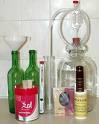 My first advice is to follow my lead and search the web with the query, wine kits. Boom. You will immediately be hit with numerous offers for home winemaking gear. Kit production has advanced enormously in last decade. It is hard NOT to make a decent little wine by following the very specific directions included with all kits manufactured today.
Purchasing a starter kit and ordering your first concentrate/juice blend will run less than $300. If this sounds a tad steep, consider that if you follow the simple instructions that accompany your mini-winery, in three to four months you will be placing 30 bottles of very drinkable wine in your wine rack—for about $10 a bottle. And the equipment involved in your initial purchase can be used again and again with your next kits, dropping the per bottle price into the $4 range. Hey, forget Two Buck Chuck. Let’s drink Chateau Home-in-Stead.
As you become more adept at making kit wines, you will be drawn into considering fresh grapes. This is where you may ultimately want to go. But, not yet. I would not encourage you taking this step in the early stages of your enologist career. Each kit of wine you produce will add to your knowledge base. You’ll gain an understanding of the fermentation process and the importance of sanitation, wine additives/preservatives, bottling techniques and building a wine library. And you will come to understand if you really want to pursue the hobby at a more serious level. In the beginning, it’s slow, slow catch monkey.
 When I reflect on the early days working in my “cellar”—any available space in your home or apartment—one of the most intriguing memories was the sight of a fermenting carboy. These five or six gallon glass vessels are the mainstay of home winemakers. After dinner I would slip down to my dark basement with a flashlight in hand and shine a beam of light through the top neck of the bottle. There in all their glory, were tens of millions of yeast cells roaring away as they consumed the sugar in the juice. The scene was riveting to me—and still is—as the bubbles foamed upward and the airlock bubbled away, releasing carbon dioxide in the air. To view the scene is like looking at a glass of champagne on steroids. This passionate gormandizing of the yeast on the sugar can last up to ten days. For me, just looking at the fermenting wine was reward enough in buying a kit.
If I have tickled your interest in winemaking, here are some of my go-to resources that can help you get started.
· Home Winemaking Step by Step by Jon Iverson
· The Way to Make Wine by Sheridan Warrick
· The Winemaker’s Answer Book by Alison Crowe
· WineMaker Magazine
· Presque Isle Wine Cellars, a winemaking supply house
 And, if you happen to let this joyful pastime get the best of you, just remember it all started with these words of encouragement. “You can make wine!”
 Aged for 15 months in French and American oak.
This line—or one similar—is seen on the back of countless wine bottles, or accompanying tasting notes, to describe the importance of the marriage of wine and oak. No other wood has achieved the ability to enhance the aroma and flavor of wine. After the vine, oak is the most important plant in producing quality wine.
So how did this committed relationship begin? And why has it endured so long?
While many woods can be used to craft a barrel, among them cherry, walnut, chestnut, and pine, only oak emerged as perfectly suited for the transportation and storage of wine. Other woods were either to porous, which led to leakage, or too overpowering aromatically, conveying odors that detracted from the enjoyment of the liquid stored therein.
The use of oak barrels to transport wine has a centuries long history. The vessels were watertight and easy to move. The casks could be transported by wagon or ship with little risk of loss or breakage.
A lamentable tale turned golden, occurred in the 1980s when Chile first began focusing on exporting its wines. Sadly, the initial efforts were a failure. It seems the Chileans had grown accustomed to their wine being aged in a type of birch wood called rauli. While the natives enjoyed the wine’s odd aroma and flavor, international markets rejected the musty character it displayed. When vintners realized how the world perceived their wines, they quickly switched to oak and the ascent of Chilean wines began in earnest.
 Among the numerous benefits of oak is that wine slowly evaporates in the vessels. Care must be taken to add back any loss since the liquid oxidizes in the presence of air. Up to three percent of wine can be lost through this process. The French call this loss the “angels’ share.” Of course, they do not begrudge the Seraphim and Cherubim their little dollop of evening wine, obviously enjoyed after the winemaker leaves for the evening. But, the angels know they are making a valued contribution to the wine’s ultimate taste. Evaporation enhances flavors, creates depth and softens mouth feel, producing qualities not as easily attained when aged in stainless steel tanks. Virtually all quality red wines, and many whites, especially Chardonnay, undergo oak aging.
As oak became the wood of choice for enhancing the quality of wine, two particular species became favorites; French and American white oak. French oak has a more subtle effect on a wine’s character because it is tighter grained and the staves are hand split. American white oak is a bit more porous and the staves are machine cut, producing more intense flavors of vanilla and coconut. Both woods produce a wide range of aromas and flavors, enhancing the final product. Because of their distinct qualities, winemakers often age their wines in both types of barrels, and then blend the final product to build complexity. You might say in the world of wine barrels, Maurice Chevalier and John Wayne work together to provide us our finest wines.
The creation of a barrel is performed by an artisan called a cooper. It is a highly sought after skill that is reflected in the cost of a barrel. An American vessel runs around $400 a piece and its French companion can exceed $1,000. If you have ever pondered why some quality wines are so expensive, consider that highly rated château in France often use new barrels exclusively to age their wines, adding dramatically to the cost of the finished bottle. And a barrel will last only about five years. After that, the oak elements that contribute character fade, and the barrel can only be used for neutral storage.
 Coopers create barrels by forming the staves in a circle while slowly forcing metal bands around them. Simultaneously, the barrel is rotated over a small fire to soften the wood and make it malleable enough to bend the staves into the traditional barrel shape. This adds strength and produces a tight seal to prevent leakage. However, over the last forty years or so, coopers have learned that the intensity of heating-—or toasting—-conveys a wide range of flavors to aged wine. Today, barrel toasting has become both art and science. Wineries can order barrels capable of producing specific flavor and aroma profiles. The range of these components is impressive and includes almond, clove, vanilla, pepper, chocolate, tobacco, cedar, coffee, walnut, bacon, toasted bread and more. Vintners order them light, medium or heavy toasted, depending on the characters they wish to highlight in their wines.
 Culpeper County contributes in a unique way to the production of wine barrels used around the world. Just north of the city of Culpeper, on Route 229, a lumber mill owned by the Ramoneda Brothers, specializes in the harvesting of Virginia White Oak. The firm produces staves that are ultimately shipped to California and Europe for wine barrel production. Next time you pass by the mill, take note of the neatly stacked tall racks of oak staves undergoing air aging. In a few years, you might well be drinking a wine that was aged in a barrel crafted from staves produced in our county. Not only is Virginia producing some wonderful wines, but it’s also contributing a key ingredient in their production elsewhere.
Given the cost of barrels today, it should come as no surprise that some wineries are switching to oak chips and staves, placed inside stainless steel tanks, to create the effect of an oak aged wine at a fraction of the cost. Australia is a leader in the use of oak chips. This has enabled many of its producers to lower the cost per bottle, while creating wines with oak impact. Producers of fine wine eschew using such shortcut methods. But, if correctly employed, certain elements of an oak aged wine can be crafted using less expensive alternatives such as chips.
As we reflect on the qualities of our favorite wines, let’s keep in mind the role oak plays. An oak tree used for barrel making can easily be over a hundred years old. It’s possible to taste a wine today that was aged in oak that was just a young sapling during the civil war. So the next time you open a bottle of wine, take a moment to contemplate the history of the barrel in which it was aged. If you focus hard enough, you might even hear the joyful strains of Dixie as you sip your Cabernet.
 Could it possibility be the oak enhanced wine singing the praises of the cocoon in which it was nurtured?
Published April 30, 2009, in the Culpeper Times.
 Old House Vineyards
Bacchanalia
Native French winemaker, Damien Blanchon, has brought his skills to bear in the production of this red blended wine named in honor of Bacchus, and the legendary celebrations held in his honor. A mélange of Chambourcin, Cabernet Franc, Merlot and Tannat, the wine opens with raspberry, cedar and spice aromas and follows on the palate with silky cherry and currant flavors. Aged for 18 months in French and American oak. Pair with stuffed pork chops or grilled blue cheese burgers. Drink now through 2012.
Old House Vineyards is located in a beautifully restored 19th century farmhouse at 18351 Corkys Lane, Culpeper.
The winery is open Monday—Thursday, 1-5 PM
Saturday 11-5 PM
Sunday, Noon to 5 PM
Telephone: (540) 423-1032
Man has fermented grapes into wine for over 7,000 years.
 Imagine the scene. A prehistoric man picks up a rustic bowl filled with wild grapes that, serendipitously, had been left outside his dwelling for a few weeks. It was a unique moment in history. Our ancestor must have tentatively tasted the new wine. And perhaps handed the vessel to his mate to sample. Then, after a few more sips, both of them most assuredly broke into satisfying smiles. From that moment on, the quest to pursue the marriage of yeast and grape has gone on unabated.
I feel some kinship to that ancient winemaker because the joy of turning grapes into wine is, indeed, gratifying. To create, enjoy and share this special beverage embodies hospitality worldwide.
The process of making wine is not all that difficult. But, making good wine…ahhh, that is a bit more challenging. Today in the United States, there are over 5,500 commercial wineries, not to mention untold thousands of home winemakers. But all of us, amateur and professional enologist, pursue our passion for the love of the finished wine and the joy it brings to those who sip from the glass.
On my HAGARTY CELLARS link I will share stories of my adventures, pitfalls and successes in making wine at home. And who knows, as you follow my experiences you may also be drawn into the alluring pursuit of turning the vine into wine.
 On Tuesday, April 21, 2009, Jean and I were fortunate to host a wine dinner at one of the finest historic inns in Virginia, the Inn at Meander Plantation. Proprietors Suzie Blanchard and Suzanne Thomas have created a most unique bed and breakfast in the heart of the Virginia Piedmont.
Colonel Joshua Fry, a member of the House of Burgesses, patented the plantation in 1727, the first in Madison County. Thomas Jefferson was a frequent visitor, as was General Lafayette. To walk the grounds, with the Blue Ridge Mountains as backdrop, is to be taken back to the early years of the birth of our nation.
Our dinner was the culmination of a two-day Inn cooking school. Chef Blanchard and Executive Chef, Alexander Morris, hosted twenty-one guest “students” from points up and down the East Coast, sharing with them the secrets of gourmet cuisine, Virginia style. The entire dinner was prepared with an emphasis on locally produced ingredients. The five-course repast was paired with wines from Rappahannock Cellars.
A particular favorite of the guests was the third course, Pan Seared Rockfish, with Red Pepper and Onion in a White Wine & Orange Butter Pan Sauce, served with Roasted Fingerling Potatoes and Baby Carrots and matched with our 2007 Viognier.
 The Inn’s cooking school program is conducted once a month–on Mondays and Tuesdays–year round. If you are looking for a romantic, and restful excursion back to the early plantation days of Virginia, the Inn at Meander Plantation will not disappoint. A full description of all the Inn’s services and accommodations is available on their website here.

Rappahannock Cellars
2006
Cabernet Franc
$ 24
Winemaker Jason Burrus has created a stellar rendition of a Virginia Cabernet Franc, as testified by his Best of Category and Double Gold win at the San Francisco International Wine Competition—one of the most prestigious events in the nation. The wine opens with aromas of raspberry, spice and a veil of smoke and blossoms on the palate with a medley of black currant and mocha. The seamless integration of wine and oak showcases its 15 months of aging in French and American barrels. Pair with Beef Wellington or grilled lamb. Drink now through 2012.
 There’s a new craze sweeping our state–The Virginia Twosome.
A dance? A card game? A vacation getaway? Two golfers?
My, those were all good guesses. But wrong.
The Virginia twosome rapidly gaining fame is a pair of wine diamonds, Viognier and Cabernet Franc. These are grapes–the first one white and the second one red. And they are increasingly being recognized nationally as Virginia’s contribution to fine wine.
Less you think identifying a geographical area with certain wine grapes is odd, consider the following wine matches: Napa & Cabernet Sauvignon; Mendoza & Malbec; Australia & Shiraz; Burgundy & Pinot Noir; New Zealand & Sauvignon Blanc; Germany & Riesling; Tuscany & Sangiovese. Just to mention a few.
The French call this bond of grape and land, terroir, pronounced tehr-WAHR. It identifies the somewhereness that a wine grape is grown. The climate, the soil, the slope and sun exposure of the vineyard, the seasonal changes–even the trellis systems employed–all contribute to the quality of the fruit produced. Perhaps an easier way to picture what terroir means, is to think of the Georgia Peach. The firm, deliciously sweet, fragrant and juicy summer fruit. It’s not a peach grown elsewhere. It’s a peach that reaches its highest level of aroma and taste simply because it’s grown in Georgia. That’s terroir.
In Virginia, we are fortunate to have two wine grapes that are performing beautifully in both the vineyard and the wine cellar. Let’s take a closer look at the fruit that is changing the landscape of the Old Dominion’s vineyards.
 VIOGNIER
As with many French names, this grape can be a bit difficult to pronounce at first. Simply say vee-own-YEA.
The grape hails from the northern Rhone Valley in France and is thought to have originated from the Romans who introduced it into Gaul over 2,000 years ago. It was once widely planted in the Rhone Valley but slipped into obscurity as it became more difficult to grow. During the 1960s, there was less that thirty acres of Viognier planted in all of France, a nation with over two million acres of vineyards. The grape was clearly in decline.
In the mid 1980s, a California winemaker of wide repute, Joseph Phelps, adopted the vine and anticipated it might be the next Chardonnay, which is one of the most popular white wine grapes in the world. Unfortunately, it did not achieve the popularity he had anticipated. Then about fifteen years ago, it was introduced into Virginia’s vineyards. Here it has taken to our terroir like a kitten to catnip.
The Virginia wine produces a medley of luscious aromas and flavors redolent with honeysuckle, peach, pear and melon. It can be vinified in oak or crafted in a clean, crisp style that eschews oak undertones. In either case, its ancient lineage glows with a creamy mouth feel and soft spice finish. It is a wonderful alternative for those drinkers known as ABCers–Anything But Chardonnay.
Perhaps more importantly, Virginia’s Viognier is being hailed in some circles as even better than the French original. Numerous gold medals have been awarded to our state’s viogniers from prestigious competitions across the country. Look for this white wine to gain even further acclaim in the years ahead.
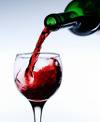 CABERNET FRANC
This grape has been the workhorse of red blended wines for centuries. The majority of appellations around the world use the grape to enhance other classic reds. Since it produces a wine somewhat lighter in color and tannins than Cabernet Sauvignon, many Bordeaux reds contain 20% or more of this grape. It is aromatic with a wide range of flavors centered on raspberry, plum, cherry and spice. And its lower but firm acidity produces a food friendly beverage.
The attributes that favor growing the grape in Virginia are its cold hardiness and early ripening traits. Coaxing the best out of a wine grape requires meticulous management of the vineyard, and having inherent strong qualities in the vine itself eases the vineyard manager’s work. Cabernet Franc’s uniqueness is well suited to our state’s soil and climate.
To burnish the grape’s reputation even further, recent DNA testing has revealed that Cabernet Franc, along with Sauvignon Blanc, are the parents of Cabernet Sauvignon. Clearly, the acorn did not fall far from the tree.
In Virginia, many Cabernet Francs are blended with a touch of other reds. For a wine to be labeled the name of a grape it must contain at least 75% of that specific wine. Often you will find our state’s Cabernet Francs contain a dash of Merlot, Cabernet Sauvignon, Petit Verdot or Malbec. This blending strategy mirrors in reverse the technique used in Bordeaux.
As with Viognier, Cabernet Franc has garnered a host of competition medals and awards. We can count on even finer bottlings in the years ahead as our winemakers learn more about showcasing this wine’s unique character.
 So the next time you are visiting one of our local wineries, take the time to linger over this winsome twosome. Experience more fully the magic these two wines are displaying in our state. There’s no need to travel to France or California to experience world-renowned scenery and wine. And the reward for your enjoyable pursuit may be the discovery of your next favorite bottle of wine.
Published March 26, 2009 in the Culpeper Times.

Rogers Ford Farm Winery
2006
Petit Verdot
$26
Proprietor and winemaker John Puckett has crafted a robust Virginia red using 100% locally grown Petit Verdot grapes. The wine displays a deep red garnet in the glass and opens with spice and cherry notes on the nose. Take a moment to linger over the rich aromas. On the palate, the wine shows black currant notes framed by firm acidity and tannins, highlighting its twelve-month American oak barrel aging. Consider matching this wine with a hearty lamb stew or beef bourguignon. As an added bonus, the wine is bottled in a unique, double handled, imported Italian wine bottle. Drink now through 2011.
Rogers Ford Farm Winery is located 14674 Rogers Ford Road, Sumerduck, VA 22742. The winery is open Friday through Monday from March until December, and by appointment. (540) 439-3707.
www.rogersfordwine.com
 The era was the late 1600s in France. The man was Dom Pierre Perignon—a Benedictine monk credited with introducing many of today’s modern winemaking techniques. His innovations include the annual close pruning of the vines, an emphasis on minimal handling of the harvested fruit and the gentle processing of the grapes during fermentation.
In case his name sounds a bit familiar, it should. Over two centuries after his death a wine would be named in his honor. Dom Perignon, the world famous champagne that retails for $120 a bottle or more.
But the Dom’s real contribution to the world of wine was his use of cork to seal a bottle. The mists of time cannot verify for certain the good monk was the very first vintner to stick a cork in a bottle. But the historical record strongly points to him as the creator of the single most important technological advancement in the production of wine.
Prior to the marriage of the cork and the bottle, wine had to be enjoyed within a year of its production. If our ancestors delayed drinking it, the precious nectar would turn to vinegar. Oh, there were exceptions. Wine could be adulterated with numerous additives to preserve its health; among these were seawater, pine pitch and lead. Yes, lead.
The Romans particularly liked using grape syrup boiled in leaden pots to enhance and preserve their wine. Modern wine drinkers have a hard time getting their palate around the idea of lead as an additive to wine. But it actually did sweeten and preserve it. It also killed a lot of Romans. In fact, some historians posit that the fall of the Roman Empire was due in large part to the lead poisoning of its intelligentsia.
The advent of sealing a bottle of wine, with a properly sized cork that blocked air from oxidizing the liquid, was a major breakthrough in winemaking. It also eliminated the need to add harsh preservatives. Wine could safely age and become greater than its original self. And we think the iPod was a neat idea.
 For over three hundred years, cork was the closure of choice for winemakers around the world. But an unfortunate situation developed in the 1980s that threaten to end the cork’s dynasty. Stinky wine. More wine began smelling like moldy, damp newspapers. In the patois of the wine industry, the wine was “corked.” Up to 8% of wine was tainted with this malodorous aroma.
The cause of the problem was largely a failure of the cork industry to listen and respond to the complaints of its customers. Cork taint occurs because of a mold that develops due to the use of chlorine to whiten the naturally brown cork. Since Portugal and Spain produce over eighty percent of the world’s cork, producers felt they had a natural monopoly and did not heed the discontent that was breeding.
New Zealand and Australia struck first. Convinced that a significant percentage of their cork orders were of second-rate quality, vintners Down Under began experimenting with screw caps. Today, ninety-five percent of white wines coming out of New Zealand are sealed with a screw cap. Australia’s volume is a close second. But more importantly, winemakers worldwide began shifting to the new seal and abandoning cork’s three hundred year old legacy.
In concert with the attack on cork, other types of closures began to appear along with the screw cap. Technical corks—bits of ground cork glued together in the shape of its real brother, and synthetic corks—plastic shaped into the familiar plug, also were being introduced. Winemakers increasingly tried to assure themselves, and more importantly, their customers, that the effort in producing a quality bottle of wine would not be negated when the cork was removed. Aroma is an integral part of wine’s enjoyment. A bottle emitting an odor similar to a newspaper caught in a summer shower did not excite winemakers who knew their original product smelled like ambrosia.
So what does the future hold for the cork sealed wine bottle? The jury is still deliberating. The battle of the titans appears to be between the cork and the screw cap. Both technical and synthetic corks are gaining adherents for wine meant to be consumed young. But these alternative closures might have drawbacks, including the question of whether too much air is permitted to enter the bottle during extended aging. If this turns out to be a fact, wine–particularly red wine–would suffer the woes of oxidization over a long cellaring period. Not a good thing for a high priced bottle of Bordeaux.
Today, the use of cork has declined from 95% to 72% of market share but is still the predominate method of sealing a bottle. Large producers of inexpensive wine are likely to lead the way in the search for alternative closures. Wineries producing fine wine appear to be remaining loyal to natural cork. The tradition and romance of real cork, and the unique “pop” of a just opened bottle of wine, is difficult to replicate with a man made closure.
And, cork producers are not ceding ground. The wine bottle closure market is a $4 billion annual business. The industry is fighting back to maintain its market dominance. Aggressive quality control measures have been introduced and the major firms are claiming the taint problem is a thing of the past. Time will tell.
Wouldn’t it be interesting to be able to ask Dom Perignon what he thought of a screw-capped wine?
Picture the scene as the gentle monk, dressed in his flowing cloak, softly strokes his chin and murmurs, “screw caps…hmmm?” Then, hearing the monastery bells and faint strains of Gregorian chant, turns and slowly walks away without comment.
 Even the Dom would want to meditate on that question.
Published February 26, 2009 in the Culpeper Times.
What is the largest wine-consuming nation in the world? France? Italy? Spain?
If you said France, take a bow. But, what nation will likely lead the world in total wine consumption next year? Surprisingly, it’s the United States. Yes, last year as a nation we consumed over 300 million cases of wine—or more than 3.6 billion bottles. And in 2010, it’s projected we’ll top that figure. That’s a lot of wine.
Per capita consumption will remain the domain of France and Italy but next year Americans are expected to begin consuming more wine overall than any country on the planet. This a remarkable change in our drinking habits. For almost four centuries beer and liquor have been the dominant libations of choice in the United States.
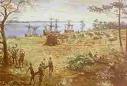 Why? The reason dates to the first colonists at Jamestown. The English settled Virginia in hopes of creating a profitable market for goods produced in America. The profusion of native grapes led them to believe wine could be easily made in the new world. And the market for wine in England was substantial. Unfortunately, the native grapes did not make palatable wine. The aroma was called “foxy” but a better descriptor might have been “wet dog”. And, they could not successfully grow the delicate European vitis vinifera grape species because of Virginia’s climate and insect problems. Clearly, the English palate, trained on quality Bordeaux wine, would not support a nascent industry producing a wine they considered undrinkable.
The early Virginians finally found a product marketable around the world—tobacco. Virginia’s climate was perfectly suited for the broad-leafed plant and serious winemaking was mostly forgotten. But, citizens still wanted an alcoholic beverage so the distilling of fruit and corn became popular. Our nation was launched on a path of beer and liquor consumption that prevailed for the better part of four hundred years. In the 1960s things began to change as science and viniculture—the science of grape growing–joined forces to produce high quality European wine grapes in Virginia.
Today, there are over 140 wineries in our state. The dream of the early colonists is being fulfilled in the Old Dominion and its wines are gaining national and international attention.
With this explosion of Virginia wineries—the first one opened in 1968–the stage was set for an ever-growing number of Virginians to begin experiencing the pleasure and health benefits of moderate wine consumption.
So let’s take a look at some of the basics that can enhance your enjoyment of your favorite wines.
 First, purchase and use a reasonably good glass. It does not have to be expensive. An average quality wine glass can start around $5 a piece but an elegant crystal glass can cost upwards of $70 a piece. Ouch! No need to start at that level. But, higher quality stemware can increase the enjoyment of wine. Think not? Picture drinking a serious wine out of a black, ceramic coffee mug compared to a delicate crystal glass–the vessel matters.
Next, fill your glass no more that one third full. This enables you to easily swirl the wine and release its aromatics. One of the numerous beauties of wine is its unending array of aromas. Don’t miss out on this aspect of wine tasting by filling a glass to the brim. Give your wine room to move and breathe.
Now comes the fun. Enjoying your wine. All you need do is focus on four thoughts. Eyes. Nose. Mouth. Throat. Yep, it’s that simple. Deepen your wine experience and increase your enjoyment of wine by focusing on these four simple precepts.
 EYES
EYES
The beauty of wine begins with its colors. From the pale straw gold of a sauvignon blanc to the ruby hue of a cabernet franc. When you pour your first glass, take a moment to embrace the clarity and depth of color of the wine. Holding the glass against a light and letting it catch the various angles of natural and house lighting sets the stage for what you are about to further explore.
 NOSE
NOSE
Swirl the glass to release its aromas. Now place the glass under your nose and breath deeply. Come on. You can stick your nose in deeper that that! Inhaling through you nose begins telling the wine story. Smell the taste. In fact, you might do this several times before you take your first sip. Build tension—its has its rewards.
 MOUTH
MOUTH
Now comes the heart of the wine experience–your first sip. Take a few small sips and roll the wine around your mouth a bit. It may seem odd, but all those flavors you are about to enjoy are actually a result of your olfactory bulb. What? OK, your nose. The olfactory bulb is located at the top your nose and actually sends signals to your brain about what you are tasting based on what you are actually smelling. Our palates only have four taste sensations: salt, sweet, sour and bitter. The raspberry, cherry, pineapple, mocha and sundry tastes are simply aromas rising off your palate and passing through the olfactory bulb. The more you swirl the wine in your mouth the greater perception of flavors will emerge.
 THROAT
After tasting, swallowing the wine comes naturally. No instructions needed here. However, look for a sensation on your palate that experts call a “finish.” Wine comes with an aftershock, albeit a nice one. In fact, the longer a quality finish remains on your palate the better a wine is rated. World-class wines can linger on the tongue for up to a minute after they are swallowed.
Perhaps at this point you may be thinking. Is he kidding? I am expected to go through this process every time I drink a glass of wine? Well, no. It’s not the intent to assess a wine with every sip from every bottle. After the opening examination, the wine’s aroma and taste will be observed and it’s time to simply start drinking as opposed to tasting. But, periodically as you consume the wine, try stopping to enjoy one of the four basic aspects of tasting. Eyes. Nose. Mouth. Throat.
Your enjoyment of wine will increase with your understanding of it. Unlike most mass-produced beers and soft drinks, every different bottle of wine holds a new and interesting aroma and taste. And that’s not to denigrate those beverages. Consistency in taste is an art and science and our most popular beverages are successful in achieving their goals. But, wine drinkers are looking for variety. And it exists in abundance. Today, in the Unites States, about 55,000 different wines are available in the marketplace. That’s not to imply such a broad wine selection is available in every local market. But, it highlights how diverse the world of wine is today.
In the years ahead I look forward to exploring an array of issues involving wine. I also will focus on evaluating wines from our Piedmont area wineries. Let’s take that journey together.

In Vino Veritas—In Wine Truth.
Published January 29, 2009, in the Culpeper Times.
Prince Michel
Symbius
2005 Virginia
Like the vintners of Bordeaux, Prince Michel’s winemaker Brad Hansen believes that often a wine’s sum is greater than its individual parts. Thus, he has taken four Virginia grown grapes and produced a French-like, full bodied red dinner wine consisting of 48% Merlot, 30% Cabernet Sauvignon, 12% Cabernet Franc and 10% Petit Verdot.
The aromas begin with a veil of licorice, mocha and jam that blossom on the palate with blackcurrant and chocolate and finishing with a touch of soft spice. The wine was aged in French and American oak barrels for 22 months, adding depth and concentration to the overall effort. Symbius would be well matched with a medium rare prime rib or a petit filet mignon with Béarnaise sauce.
Prince Michel Winery is located at 154 Winery Lane, Leon, Virginia, which is about ten miles south of Culpeper directly on Route 29. They are opened seven days a week. Winter hours are 10AM to 5PM and 10AM to 6 PM the rest of the year.


