
Archive for WINE ARTICLES
Popular Delaplane winery marks tenth anniversary
For legions of Fauquier County residents, it may come as a surprise a decade has gone into the history books since Barrel Oak Winery opened on Memorial Day 2008. And you thought a bottle of wine disappears quickly.
Consider what’s unfolded in those lightning-quick 120 months: Almost a million bottles of wine have been produced, over a half million guests have sipped and chatted on the hilltop venue and 50,000 tail wagging dogs have gazed lovingly at their relaxed owners.
On the community-oriented side, dozens of fundraisers have generated $1.8 million for a host of worthwhile charities.
By any measure it’s a business that’s had a uniquely positive impact on the community it serves.
“I don’t think we could have picked a better place to open Barrel Oak,” said Brian Roeder, a self-confessed serial entrepreneur and co-owner of the canine friendly “grape shop”.
“When we opened we had a dream and its being fulfilled. We’ve employed hundreds of people over the years; it’s been a wonderful journey. Challenging at times, yes, but nonetheless wonderful.”
How many can similarly rapture about their place of employment after a decade in the harness? Exactly.
Brian and Sharon Roeder share operating responsibilities; Sharon Roeder is the production manager and one of two winemakers and Brian Roeder wears the green eye shade with a sharp pencil tucked behind his ear.
The saga began in 2006 when Sharon Roeder sought to execute on a life-long dream: growing grapes. They scoured properties from Loudoun County to Albemarle County before settling on their Delaplane site. Within a year, it was obvious financial success might not lie in just pruning vines and selling grapes. The decision was made to take the endeavor to the next level and open a winery.
The budding lady vintner honed her skills by volunteering at local wineries; essentially creating an internship for developing her enological skills.
BOW WOW
Both Roeders loved dogs and knew they would be an integral part of the winery. You’d be hard pressed to find a Virginia winery that doesn’t have canine buddies circulating through the vineyards shooing deer away while greeting guests with a tail wag.
Serendipitously, Sharon Roeder was walking around the winery during its opening days carrying her Golden Retriever puppy. The ensuing hugs and cooing often ended with the question, “Can we bring our dog here too?” Of course!
BOW WOW was born.

Brian Roeder
“We knew we were going to be dog friendly but, in the beginning, didn’t know exactly what that meant,” said Roeder. In essence, the early guests and owners worked collaboratively to create the first family-kid-dog friendly winery in Virginia. The intuitive move was the catalyst for explosive growth.
“Before opening the winery our experience with wine was centered around family and friends in a living room setting. It was just natural to create the same atmosphere at Barrel Oak,” said Brian Roeder.
“We wanted people to come out and celebrate important moments; graduations, anniversaries, birthdays and other life celebrations.”
Innovation
A well-honed Barrel Oak trait is innovation or thinking outside the wine barrel.
Never satisfied to rest on past successes, the entrepreneurial couple were the first winery to open a food court, first to provide dozens of picnic tables for large capacity outdoor seating—some 500 seats are available at any given time—first to be awarded a permit to produce and serve beer alongside side their wine and the first to extend hours on Fridays and Saturdays to 9 p.m.
The brewery operation is emblematic of searching for the new and thus becoming the first.
With the ascendency of craft beer in Virginia—and its financial impact on wine sales—Roeder knew he wanted to be in both the grape and hop game but not a single winery in Virginia had broken the ice with a dual production and sales permit.
In reality, even ABC officials were reluctant to agree with his initial request without researching the inquiry. The interim response of “We’ll look into it” turned into a “Yes, it’s legal” answer.
“It was an important question that nobody had thought to ask,” said Roeder. “Today other wineries are following suit.”
The dual social lubricant solution also addressed the question whether men prefer beer and women wine? Maybe, but not necessarily so.
Gender could play a role in the issue but more important to Barrel Oak was the ability to fulfill co-customer desires. In trade speak, it was simply a freedom of choice issue and freedom wins every time.
Today, the winery Tap House is a thriving center of craft beer sales. The menu includes a variety of brews including Kolsch, IPA, Winter Amber, Irish Red, Saison, Belgian Doubel and more. Even some of their hops are grown on the property.
But with the advent of beer sales, it did not mean a de-emphasis on wine.
To the contrary, last year there were over 8,000 cases of wine produced and a new premium red category placed in the lineup. The new bottlings will receive extended aging in oak barrels for three to four years to enhance body and complexity before taking a position on the tasting menu.
With the continued emphasis on expanding the adult Disney World atmosphere, the guest count on weekends is as strong as ever. “During the Fall weekends we’ll have between 1,200 and 1,600 people here with parking for 400 cars,” said Roeder.
But he quickly underscores no one waits to be served. “We have eight tasting bars operating when its busy.”
Fundraisers
Since opening its doors the winery has sponsored hundreds of fundraisers. The events range from donating $150 gift certificates to a deserving charity for auction or door prizes to turning the entire winery over to a charitable entity who plan and organize a dedicated event for their organization.
“We hand the winery over to them so to speak,” said Roeder. “These large events typically raise between $5,000 and $45,000.”
One such affair was held last year in support of the Washington Area Animal Adoption Group, or WAAAG. The money raised was used to help rescue dogs impacted by the hurricanes. Animal rescue is especially important to the winery since, “We are committed to the welfare of dogs.”
Many guests may not be aware that Barrell Oak has a dog rescue organization located on the winery grounds. On October 18, WAAAG will again hold a fundraiser called Vineyard Trails & Tails 5K and Family Fun Dog Walk.
As Roeder reflects on the success of Barrel Oak he notes customer support has been an integral part of its accomplishments. “We have 35,000 Likes on Facebook and more reviews on Yelp than any business in Fauquier. Our social media is unequal in Virginia wine thanks to our customers.”
Here’s to the grape and the hop.
BeLEIGHve Fest at Barrel Oak
On September 8, join the fun while supporting a wonderful cause when Barrel Oak dedicates the day to the Leigh family and their sons, Noah and Kaleb. Both brothers have faced cancer; Kaleb is in remission for the second time and Noah is currently in treatment. The funds raised will go to help the family with medical expenses.
The festival kicks off at 12:30 p.m. with live music starting at 1 p.m.; five talented groups will perform nonstop until 8 p.m.
General admission tickets are $20; children $5. For more information visit: https://www.eventbrite.com/e/beleighve-fest-tickets-47237512672
Published in the August 22, 2018 edition of the Fauquier Times.
August’s monthlong craft beer party
The ascendancy of craft beer in the United States is a remarkable tale. From a handful of breweries in the 1970s, today over 6,300 establishments are pulling tap handles daily.
Even more impressive? The entire industry sprang from whole hops driven by hobbyists. As talented amateurs realized their beers were getting accolades from friends and neighbors, they turned professional to the lasting gratitude of their local communities.
Here in Virginia there are now over 215 breweries, 20 more than North Carolina; long considered a craft beer destination state.
And while beer is associated with fun and good times, consider that the industry contributes more than $9.4 billion annually to the Commonwealths economy, employs over 28,000 people and annually sends one billion dollars to the state’s treasury.
Always nice to hoist one for a good cause.
 Caroline Rodan, spokesperson for the Virginia Tourism Corporation says, “The beer industry is an authentic way to get travelers to come and visit the Commonwealth with their taste buds. Many of the breweries are kid and pet friendly, making it an ideal family destination trip.”
Rodan underscores today’s success story has a direct link to our state’s history. “Beer was produced in Jamestown and Founding Fathers Washington, Jefferson and Madison were brewers,” she said.
Reinforcing Virginia’s accelerating beer reputation, two large West Coast breweries have opened facilities here: Stone Brewing and Ballast Point Brewing Company.
In 2021, Deschutes Brewery will open a $95 million production facility in Roanoke. The brewery is the eighth-largest craft brewery in the United States highlighting the Old Dominion’s reputation as impressing even the big boys.
Moreover, the media buzz has grown to such an extent the Travel Channel named Virginia as one of the Nation’s top seven beer destinations.
In concert with the explosive facility growth, an increasing number of breweries are now farming or contracting to purchase Virginia grown hops and barley creating a collateral ‘Farm to Stein’ industry.
So with all the good news there must be a way to toast its success, right? Indeed, and it’s coming to a brewery near you in August.
Toast Virginia
Virginia’s August Craft Beer Month was launched several years ago and is showcased by the Virginia Tourism Corporation.
The celebratory month spotlights the passion, creativity and local values that make the state’s craft beer scene unique. It’s likely your favorite brewery will be hosting several events throughout the month with the focus on beer, entertainment and community outreach.
A centerpiece of VTC’s promotion is toasting Virginia breweries. It encourages beer lovers to post a video or picture of a “toast” to their favorite Virginia beer or brewery using #ToastVA, then to “pass the microphone” by tagging a friend and inviting them to do the same. Weekly winners with the best Toast to Virginia will be chosen throughout August to win beer related gifts.
What’s a toast? It’s open to interpretation, but salutes, songs, tributes and photos are all options. Follow #ToastVA and #VACraftbeer on Instagram for additional ideas.
One brewery that mirrors the industry’s August creativity splurge is Lost Rhino Brewery Company in Ashburn. Each August Lost Rhino releases it “Rhin O’fest” Märzen Lager which is a German-style lager. The Märzen style originated from Bavaria and is traditionally served at Oktoberfest.
Logan Martin, the brewery’s graphic designer said, “Our Rin O’ fest is an excellent companion to autumn’s first chill with its full body, malty flavors and a clean, dry finish. Additionally we are also planning on releasing one of our barrel-aged sours as a part of our ‘Sour Sundays’ program.”
The purpose is to educate Rhino’s customers about the process of souring beer and the myriad flavor profiles that can be achieved with the process. Its August sour release has yet to be determined but Barrel Master Alex Lynch has a few ideas already foaming in his head.
The number of activities similar to Lost Rhino’s is seemingly limited only by your beermagination. Here’s a recap of a few August opportunities that might lure you away from your smart phone and get you connected with live folks and real beer:
*Statewide music concerts and performances at both breweries and outside venues.
*New and special beer releases at numerous breweries.
*Barbeque & Beer festivals.
*Myriad restaurants featuring local and statewide brews and tap takeovers.
*India Pale Ale Day August 2.
*International Beer Day August 3.
*Virginia Craft Brewers Fest August 18 at Three Notch’d Brewery, Charlottesville.
*Beer centric charity fundraisers.
*Growler giveaway events.
The partial list can be fleshed out by visiting your favorite breweries online or searching https://en.wikipedia.org/wiki/List of breweries in Virginia for breweries near you.
And if beer seems to be a pedestrian libation for such gustatory celebrations, keep in mind what Plato said 2,300 years ago, “He was a wise man who invented beer.”
Now we’ll drink to that. In August.
Published in the Summer 2018 edition of Dine, Wine & Stein magazine.
Navigating the prettiest wine trail in Virginia
Each spring some 4,000 enthusiastic hikers hoist packs and begin a 2,190 mile journey along the spine of the Appalachian Mountains.
Known as Appalachian Trail or AT thru-hikers, they lace up at Springer Mountain in GA in April seeking to summit Mount Katahdin in Maine before the snow flies. It’s an arduous walk and a lifetime memory keeper for those who achieve their goal. Only one in four make it.
 But as these intrepid hikers trek over Virginia’s 544 miles of the AT they have an opportunity at Thornton Gap to gaze down on an entirely different path: The Skyline Wine Trail. Almost none of them will have time to drop packs and explore the attractions of this singularly beautiful wine trail. ‘Tis a pity.
But their loss is a major win for the 1.5 million motorists who annually head to the Shenandoah National Park via Route 211. The four lane highway runs in an almost straight line from Warrenton to Skyline Drive. You can’t get lost. Delayed perhaps but not lost.
And why? Consider the numbers: Along the trail there are nine wineries, two breweries, one distillery, eight restaurants, 13 lodging establishments, and 14 shops and galleries scattered like diamonds on a rolling landscape of verdant fields and dense forests all backdropped by the Blue Ridge Mountains.
Virginia is one of the most scenic states in the Nation and the Skyline Wine Trail encompasses one of the loveliest regions in the Old Dominion.
There is so much to see and do along the trail that reaching Skyline Drive by days end is a challenge.
Birth of the Trail
If you’ve yet to explore the trail, relax. It was created in early 2018 and its reputation grows each month. As upcoming summer and fall unfolds, trail visitorship will increase and word of this unique day and weekend destination spot will continue to grow.
The trail’s birth is supported by all of its member businesses but its vision was conceived by Carl Henrickson. Henrickson and his wife Donna are proprietors of the Little Washington Winery located in the heart of the trail.
“When Donna and I were looking for a location for our winery we searched much of Virginia and simply didn’t connect with any given location as nice as they were. Then our real estate agent asked if we’d ever been to Rappahannock County. We had not,” Henrickson recalls.
A few weeks later they drove west on Route 211 and were mesmerized as one picturesque scene after another unfolded. They had found their special place.
“You can reach Skyline Drive by traveling out I-66 and entering the Shenandoah National Park in Front Royal. But the much more scenic route is passing through Warrenton and heading out 211,” Henrickson said.
He goes on to say, “For weekend travelers the choice can be to go to the beach in heavy traffic and sweltering temperatures or drive to the mountains through beautiful, traffic-free countryside. When you reach Skyline Drive it will offer shady walks and 10 degree cooler temperatures. It’s a nice alternative getaway.”
The Crown Jewels
Let’s take a quick tour of the trail and visit the 11 family-owned purveyors of quality social lubricants.
Magnolia Vineyards
Glenn and Tina Marchione were working professionals in Northern Virginia when they opened their winery five years ago. They embody the premise that if you love wine enough you can be drawn into producing it for others. “We like the social aspect; sharing our passion, sharing our stories and sharing good wine,” says Tina Marchione. http://www.magnoliavineyards.com/
Grey Ghost Vineyards
Located in Amissville 11 miles west of Warrenton, Al and Cheryl Kellert opened their business two decades ago. Al was a home winemaker for years before turning professional. Over the years they have earned hundreds of medals for their quality wines as evidenced by their crowded parking lot on most weekends. https://www.grayghostvineyards.com/
Narmada Winery
The late Pandit Pantil and his still active wife Sudah created a stunning venue in which to taste wine while enjoying the views of their rolling Piedmont estate. Sudah is a retired endodontist who parlayed her background in chemistry into creating numerous gold medal wines, including a 2017 Virginia’s Governor’s Cup winner. http://narmadawinery.com/dir/
Gadino Cellars
It’s likely when you meet Bill and Aleta Gadino they will be smiling and laughing. The joy of their Italian hospitality is reflected in both their personalities and acclaimed wines. Don’t feel bashful in taking your glass of wine outside for a game of bocce ball. https://gadinocellars.com/
Wine Loves Chocolate
Little Washington Winery
Skyline Vineyard Inn
The next three establishments are owned by Carl and Donna Hendrickson. Ahhh…you remembered. They’re the couple behind the vision for the trail itself. The duo have been involved in the Virginia wine industry for years. The views of Old Rag Mountain from their winery will assure you’ll be back for a second visit. http://www.wineloveschocolate.com/ http://www.wineloveschocolate.com/
https://www.skylinevineyardinn.com/
Quievremont Vineyards
John Quievremont flew jets for the Marine Corps during his career but breaking the sound barrier is not something you’ll hear at his peaceful and beautifully appointed tasting room. The winery is the newest member of the trail and located on historic Gid Brown Hollow Road. https://quievremont.com/
Pen Druid Brewery
This unique brewery focuses on wild fermentation and barrel aging of its beers. The owners are the Carney brothers previously known as the psych-rock band Pontiak. After a decade of enjoying exotic beers while traveling the globe the trio chose Rappahannock County as home for their eclectic brand of beer. Oh lucky us. http://www.pendruid.com/
Copper Fox Distillery
Located directly across the lane from Pen Druid, this internationally recognized distillery awaits the discerning whiskey lover. Its whiskey is hand-crafted and aged with a progressive series of new and used applewood and oak chips inside used bourbon barrels. Owner and master distiller Rick Wasmund spent years perfecting the technique while earning accolades from the spirits industry and consumers alike. http://www.copperfox.biz/
Hopkins Ordinary Ale Works
Kevin Kraditor and Sherri Fickel operate the historic Hopkins Ordinary in Sperryville. A few years ago Kraditor launched a brewery in the cellar of the historic building. Small batch craft beer is made using apple and cherry wood smoked barley from Cooper Fox distillery and seasonally available local ingredients such as hops, honey, fruit and herbs. http://www.hopkinsordinary.com/about-1/
In addition to the variety of wine, beer and whiskey establishments on the Skyline Wine Trail a host of overnight accommodations and shopping opportunities abound. For additional information in planning your day or weekend getaway visit http://www.skylinewinetrail.com/
Published in the Summer edition of Dine, Wine and Stein magazine.
Virginia Wine
Four Centuries of Change
Andrew A. Painter
George Mason University Press
$35
 Virginia’s history is the heart of the Nation’s history.
Beginning with the first permanent English settlement in Jamestown in 1607, it went on to become the birthplace of eight presidents, endure more Civil War battles than any state, create one of the most effective state governments and be blessed with extraordinary beauty.
Proud to be Virginian is no idle boast.
So it’s fitting the history of wine in America began in the Old Dominion. Today it’s the fifth largest wine producing state in the Nation. It’s also fitting the definitive history of the state’s industry has been penned by one of its native sons, Andrew A. Painter.
Painter is a land use attorney and partner in a Leesburg law firm. A graduate of the University of Virginia and the University of Richmond School of Law, he was raised by Virginia wine loving parents and spent many summers working as a farmhand in Fairfax County and spending time with his grandparents in rural Amelia County. His bona fides are self-evident.
To state a book is the definitive work on a given subject courts reservations. But consider the author read hundreds of books on the subject, interviewed dozens of experts and winery owners, spent countless hours on library research, visited over 200 wineries and devoted 10 years in writing the book.
The 436-page treatise includes 74 photographs, many of the state’s early legends, and has a bibliography of 1,021 research notes. Methodical comes to mind when one considers the work and passion required in producing such work.
And while ‘scholarly’ aptly describes the book it is immensely readable. Painter’s style is conversational and educational; particularly his description of the early personalities that launched the modem era of the state’s viniculture success.
Chapter and Verse
The book is divided into four parts: the nascent birth of the state’s wine story from 1572 to 1800; its struggles from 1800 to 1967; emergence of a viable industry from 1967 to 1990; and the success of the modern era from 1990 to present.
Each section deftly builds on previous chapters and in totality provides a vivid description of an industry of fits and starts now enjoying the fruits of its hard-earned success.
Chapter one opens with a fascinating tale of a band of seven Jesuits who established a small mission near present-day Jamestown in 1570. On a subsequent resupply of the mission one Jesuit wrote, “We made landfall in the Bay of the Mother of God, and in this port we found a very beautiful vineyard, as well laid out and ordered as the vineyards of Spain.”
Who knew? Historians now believe the grape growing was the work of an Algonquian community and offers proof of a grape culture nurtured by Native Americans.
The long and arduous path to successful wine cultivation by the English commenced shortly after Jamestown was founded. However, while native grapes grew in profusion, the wine it produced was unpalatable.
Every early attempt to grow the European grape species known at Vitis vinifera—the species that produces 99 percent of the world’s wine—resulted in failure; a pattern that largely repeated itself until the 1960s. Weather and a hostile insect environment simply proved insurmountable until science was brought to bear during the modern era.
Nonetheless, it’s startlingly to read how numerous attempts to create a Virginia wine industry for 200 years ultimately resulted in repeated failures. The effort had a ‘search for the Northwest passage’ aura; an idea so compelling previous failures did not dissuade future generations in trying to achieve a breakthrough.
Chapter two continues with the search for the Holy Grail and describes little known tales of marginal successes that ended badly and thwarting hopeful vintners. The era did see the cultivation of new native and American hybrid grapes. Most notedly was the effort of Dr. Daniel Norton from Richmond who produced a pleasing red wine by cross-pollinating clusters from two types of grapes.
Wine historian Thomas Pinney described the grape as the “best of all native hybrids for the making of red wine.” Some 170 years later it caught full traction when Dennis Horton, owner of Horton Vineyards, created his now famous “Horton’s Norton”.
The Civil War devasted the Nation and along with it whatever embryonic wine industry was emerging in the 1850s. By the 1870s, however, wine was again being produced throughout the Commonwealth but was of medium-to-low quality. It would set the stage for consumer tastes in the first half of the 20th century.
One of the hopeful entrants during this period was the Monticello Wine Company. The company entered its golden age in the 1890s, producing 68,000 gallons wine annually. The industry itself was producing 461,000 gallons a year. But with the onset of the prohibition movement the company failed in 1915 and the other players weaken and faded.
The “Drys” ultimately prevailed with passage of Prohibition in 1919 and the Nation’s wine industry came to a halt.
After Prohibition was repealed wine was not considered the libation of choice for much of the population. Low grade and sweet wines were often consumed by the few who chose to imbibe wine.
Chapter three is perhaps the most fascinating section of the book because some of today’s wine drinkers will recall the early successes that led to a revolution in wine drinking. Concurrent with California’s growing interest in high quality wines Virginia soon followed suit.
Many of the pivotal Virginia leaders of the new culture are showcased here but two early standouts are Charles J. Raney and Robert de Treville Lawrence. Raney secured the first Virginia winery permit and opened his winery in 1975 called “Farfelu”, meaning eccentric or crazy in Old French.
Lawrence was a one-man marketing machine who for over two decades espoused the joy and viability of Virginia wine and organized the Vinifera Wine Growers Association in 1973.
With prescient of a sage he told Time magazine in 1977, “The key to quality is vinifera. There is no other way to make good wine. Other wines are hamburger wines.”
The chapter goes on at length sharing one fascinating story after another about the pioneers who broke the back of cheap sweet wine and turned Virginia into a powerhouse of quality vivifera.
The fourth chapter spans from 1990 to the present and is accurately titled “End of the Beginning.” Exploring continued industry growing pains, it covers subjects diverse as the Direct Shipping controversy, emerging wine regions, home winemaking, growth of festivals, successful business deals (and ones gone sour) and real estate deals of noted magnitude.
As one sets the finished book aside, it’s with awe and respect that an individual could devote one-fifth of his life to such a notable subject. Painter’s commitment to produce the seminal work on Virginia wine is a gift to all wine lovers.

Published in the Summer 2018 issue of Dine, Wine & Stein magazine.
The Grapevine celebrates 5th anniversary
On July 1, 2013 Dan and Mary Kutruff pulled the cork on a long held dream and opened their own wine shop. Their figurative wine glasses have been swirling ever since. It’s no slight achievement for a small business to light five candles in honor of steady growth; a full 50% shutter their doors by the fifth year.
In preparation for going for the gold, Dan Kutruff spent 20 years in the airline industry then paved the way to wine proprietorship by pouring wines for a distributor and subsequently recommending and selling wines at Wegmans in Gainesville.
While it was fun and educational working for a major grocery chain, Kutruff realized he not only wanted to describe wines to prospective buyers but actually wanted to select them.
“It was not as rewarding as I thought it would be,” said Kutruff. If that sounds like an entrepreneur speaking, you’ll understand his obvious next move was to own his own wine world. “This is what I was meant to do.”
By the time the opportunity arose to buy the turnkey shop in Warrenton, his bona fides had been well-established. It made his foray into the industry easier by purchasing an existing business rather than starting from scratch.
Once he opened, he immediately began reshaping the shop to his own vision. He installed a new floor, repainted and rearranged retail space allowing for more product display. With 1,000 square feet of space to work with, it was critical for profitability to maximize the presentation area.
The shop layout “has to not only be designed right it must be ergonomically correct when selling and pouring in an area where every square foot of space is retail gold,” said Kutruff.
So does Fauquier County have a defined wine profile? Not at all said Kutruff, “Diversity is how I would describe our customers’ wine preferences. That’s what makes my job so much fun. I have a penchant for trying to cater to different palates. We don’t sell things just because. We want to make our customers happy.”
Fiscal success
From the start the Kutruffs divided responsibilities based on skill sets. Mary currently works in the finance industry but became the de facto CFO. “She is an invaluable asset. She handles all of the shops finances including payroll and quarterly taxes. Sometimes she fills in at the cash register in a pinch,” said Kutruff.

Owner Dan Kutruff
As CEO, Dan Kutruff makes all the daily executive decisions on product line selections, purchases and display setups and is the face of The Grapevine.
One investment that paid handsome dividends is a software program called LiquorPOS installed over a year ago. It was created for the beverage industry and is supported by his credit card platform company. Prior to its installation sales were tracked by cash register.
“It was very frustrating. We had some clerical errors in sales transactions and monthly and quarterly reports were a lot of work to produce,” said Kutruff. “Mary had to go through of the register tapes. Now with a press of button all the required daily, monthly and quarterly reports are produced automatically.”
It’s also enabled the Kutruffs to get a grip on their tax burdens and plan accordingly. Timely payment of taxes is critical. The first year they operated at a loss but the second year saw “outstanding, stellar” revenue growth.
“Then it came time to pay the taxes and our reaction was ‘we owe what?’ ” said Kutruff. “It was a big sticker shock as to how much taxes we actually had to pay. As a small business you must definitely get a grip on your taxes.”
“But we are now fully in the 21st century with our POS system. All the wine, beer, cigars and other products are barcoded and sales, inventory, profit margins and tax reports are readily available. We are happy with it.”
A unique aspect of the liquor business is the cash-on-delivery system. For example, when a vendor delivers two cases of wine or beer, Kutruff must write a check on the spot. And if the product doesn’t move, there’s no returning it.
The model forces him to closely monitor what sells and what doesn’t and to keep inventories in balance with cash outlays. “A big part of the learning process is managing your cash flow,” Kutruff said.
Did all the infrastructure and financial changes and real time experience make a difference? “For me an important part of our success is that not one dollar from our personal finances went into the shop. And we’ve been profitable the last four years. That’s key to the startup of as successful company.”
Marketing
In explaining how he attracts new customers Kutruff said, “The biggest thing is word of mouth.” When he left Wegmans word spread that he had opened the shop in Warrenton. Many of those customers lived in town and let friends know his expertise was now just minutes away. This loyal base and new adherents drove sales up.
He acknowledges, however, the need to tap into a new demographic. Currently his base is typically 40 years old and up. He’s investigating expanding his social media presence beyond Facebook. Twitter, Snapchat and other younger oriented media venues have the potential to further grow business. Online presence is now the tsunami of retailing. Failure to actively engage it would be irresponsible and costly.
Interestingly, his 100 square foot walk-in humidor does not generate a significant volume of collateral wine and beer sales. His cigar demographics are scatted across a wide age group and acts as an adjunct to sales on slow days.
“Monday and Tuesdays are generally slow but we have a lot of cigar smoking golfers helping supplement shop revenue on those days,” Kutruff said. “That humidor is gold.”
Future
The entrepreneur currently has no plans to open a second location. The shopping center where he’s located is on the market and he will wait and see how, or if, any possible changes shake out.
He underscores the obvious secret of running a small business is hard work. “As the face of the business I need to be here. A lot of customers get upset when I’m not. My employees are great but people come to see me and get my recommendations. That’s not to toot my own horn. But if I wasn’t here, this place wouldn’t work as well,” Kutruff said.
But rest easy Warrenton, Dan and Mary’s Kutruff’s abiding goal is to create an everyday wine shop where social libation fans can stop by for a companion to their evening meal or weekend party.
The Grapevine
389 W. Shirley Ave.
Warrenton, VA 20186
540.349.4443
Lets’ do the numbers:
600 wines ranging from $7.99 to $110.
Emphasis on quality bottlings in the $10 to $15 range
140 cigar selections from the world’s top producers
90 different craft beers, ciders and meads
Free wine tastings on Saturdays
Hours:
Monday – Thursday 11 a.m. – 7 p.m.
Friday – Saturday 10 a.m. – 7 p.m.
Closed Sundays
Published in the Jun 20, 2018 edition of the Fauquier Times.
Most of us are getting a little weary of our monsoon-like spring and early summer. But be thankful you’re not trying to grow grapes. It’s not bronze tans that local and statewide vineyard managers are sporting this season. That’s rust.
May was our sixth wettest and third hottest on record. Dulles International Airport recorded 8.9 inches of rain in May and June is on pace to meet or exceed that number. That’s more than double the normal precipitation.
For homeowners, the struggle is centered on tending lawns and gardens. Waiting for a yard to dry out before cutting is a balance between mowing and haying. And nurturing vegetable gardens is a soggy and muddy endeavor.
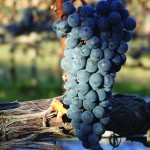 But consider managing acres of delicate grape vines. Winery owners are a driven lot with a passion for producing quality wines. But fine wine only comes from fine grapes. With over 26 wineries in Fauquier County, there is a nervous group of local vintners constantly scanning the the skies for dark clouds.
“We’re seeing a lot of disease setting in and it’s taking a significant amount of work to manage the problem,” said Tom Kelly. Kelly is past president of the Virginia Vineyards Association, an independent consultant and director of operations for the Brown Bear Vineyards in Woodstock.
“There were a lot of problems during fruit set,” said Kelly. That’s tech talk for the self-pollinating process that ultimately creates precious clusters of plumb grapes. Normally that’s a good thing because vine pollination is not dependent on bees and other insect life. But heavy rains in the middle of fruit set interfered with the natural process and in some cases stopped it dead in its tracks.
Two of the keys to Virginia’s successful wine ascendency is canopy management and spraying protocols. Rain dictates that costly sprays must be repeatedly applied to the vines when rains wash them away a mere day or two after application.
Moreover, heat and rain produce explosive growth of canopy and keeps vineyard workers pruning without end to let light and air circulate around the fruit for healthy growth. Left untended, a vine will direct much of its energy into leaf production essentially smothering the berries.
If the current weather trend continues, an already existing statewide grape shortage will be exacerbated. Kelly underscores the situation is not dire at the this point but drier weather must prevail to reach a successful harvest.
Fauquier County
Closer to home Brian Roeder, owner of Barrel Oak Winery in Delaplane, echoes Kelly’s concerns. Roeder tends 30 acres of vines, one of the largest vineyards in the county, said, “It’s not clear what the weather impact will be but there will be some. Due to a fungus this spring that we had never seen before we lost our crop of Norton. We expected to harvest 10 tons of the fruit but will pull less than a ton.
“Over in the Shenandoah Valley at Indian Springs Vineyard they’ve had crop losses of 20 to 40 percent due to problems during bloom. We were lucky that only our Norton was affected.”
The rest of his vineyard is surviving but is demanding almost nonstop canopy management. “It’s like painting the Golden Gate Bridge. As soon as the crew is done they have to start over again. They work very, very hard trying to keep vigor under control and they’re doing a good job.
“But my labor costs are up 20 percent over last year and there is nothing I can do about it. You don’t have a choice to scrimp in the vineyard. If you do, you’ll end up with diminished returns because quality goes down,” said Roeder.
Roeder also highlights another issue affecting the industry; a pending shortage of qualified labor. Tending vines requires experienced workers and he thinks a smaller workforce will accelerate the current problems. He believes the government’s efforts to deter workers can lead to serious shortages for both the state’s wine industry and agriculture in general.
“We have enough help at Barrel Oak but I’m hearing out there that this is an impactful issue for wineries. It’s simply becoming harder and harder to find qualified people to work in the vineyards,” said Roeder.
To further underscore the cost of farming grapes, Roeder recently purchased a new piece of equipment rarely seen on the East Coast. “It’s called an Agrotherm and while it’s not necessarily designed for incessant rain it does help.
“The machine is essentially a giant, super blow dryer. It helps dry the vineyard out and is also useful in a non-wet environment to boost the quality and quantity of the yield,” Roeder said. “It was a big investment for us with a price tag was $52,000.”
If the 2018 vintage were to fail to any large degree, wineries would be forced to purchase out-of-state fruit from California, Washington or Oregon. Winery owners don’t want to go that route but if the viability of their businesses is at stake they’d be compelled to do so.
“If we had to go with that option, it would essentially be a doubling my vineyard costs,” said Roeder.
Central Virginia
Another large grape growing region in the state is the Charlottesville area. Stephen Barnard is vineyard manager and winemaker at Keswick Vineyards located in Keswick.
“It’s been tough here. The rains can have a detrimental effect on pollination and fruit set. We must be particular about getting out in the vineyard and spraying and opening up the canopy with pruning,” Barnard said.
Barnard goes on to opine if it’s going to rain he’d rather have it now than during harvest. A rain-soaked harvest can dramatically reduce fruit quality as the berries become swollen with water. The ensuing loss of flavor and color reduces the ability to produce high quality wine.
“For those who are on top of their game and know how to manage the problems with preventive measures they should be okay,” said Barnard. “I think we can ride this one out. It could be an incredible harvest depending on what happens over the next three months.”
Andy Reagan, winemaker at the 68-acre Horton Vineyards located in Gordonsville reinforces Barnard’s assessment. “Not too many of our varieties have been hit. Our Touriga and Albariino are down. However, Silver Creek Vineyards in Nelson County have been hit hard but overall its not a terrible issue for us at this point.”
He emphasizes one problem is he encountering is the inability to plant new vines because of wet soils. But taking a philosophical view Reagan said, “This is Virginia. You can’t get riled up but must simply adapt to the weather.”
Reagan does agree with Roeder about labor shortages stating, “A growing lack of labor is more of a concern for me than weather.”
As one steps back and views the tribulations of being a wine grower in Virginia the observation of American humorist Will Rogers comes to mind: “The farmer has to be an optimist or he wouldn’t be a farmer.”
Indeed.
Published in the July 4, 2018 edition of the Fauquier Times.
Owner of Linden Vineyards focused on fine wine
Jim law is a successful businessman and one of the most respected winemakers on the East Coast. One secret to his success?
The man does not own a cell phone.
In today’s hyperworld of communication it doesn’t seem plausible to run a business without the handheld device at the constant ready. Law, however, sees it as a liability not an asset.

Jim Law Winter Pruning
“I am farmer and I spend most of my time right here,” Law said, referring to his 25-acre-vineyard located in Linden in western Fauquier County. “I don’t like to be disturbed when I’m out in my vineyard. In fact, I don’t like to be disturbed much at all.”
If that sounds a bit off-putting, fear not. Law is an easygoing, soft-spoken vintner who enjoys chatting with his winery guests on the subject of grape growing and winemaking. But he eschews the Virginia wine world of tour buses, weddings, entertainment and large party groups.
Law rises each morning at 4 a.m. and conducts business via email, exercises and is in his vineyard as the sun breaks over the ridges of his bucolic estate. The most important features of his vineyard is the shadow he casts on the vines and the rocky, well-drained but poor soil where grapes struggle to thrive.
It’s tough love wine growing that produces exceptional fruit and wine.
His business philosophy is, “You can make money so you can do what you do. Or, you do what you do to make money,” Law said. He subscribes to the former business model and his long list of award-winning wines attest to its success.
“We have to make money. We are a business. If I didn’t make money, I couldn’t do this. I can pay my people well and have a little buffer against bad times. That’s all I need. And that’s what I’ve got,” Law emphasizes.
Growing the industry
In 2001 Law created an apprentice program for teaching vineyard management and winemaking. While he met with some success a number of his students did not pursue a career in wine.
The business is demanding and fortunes are rarely made. The love of creating fine wine drives a career.
So he shifted his emphasis to the creation of a Journeyman Program.
He accepted individuals into the program who had previous experience in the industry and knew that hard work and dedication were prerequisites to success.
Several of Law’s trained winegrowers have gone on to garner reputations for producing some of the best wine in the Old Dominion; winemakers such as Rutger de Vink with RdV Vineyards; Jeff White proprietor of Glen Manor Vineyards, and Jim Dolphin owner of Delaplane Cellars to mention a few.
Law is particularly excited with a new crop of graduates who will soon be opening wineries in his area that reinforce his vineyard-first philosophy.
“These are people who are doing it right. Planting the vineyards, waiting till the vines are producing, building their winery, making wine from their grapes and opening a tasting room. “They are doing it the old fashioned way and I’m very excited,” Law said.
So is retirement in the cards for the 62-year-old winemaker? “Retirement is the day ‘I can’t’ and who knows when that will be. I do think constantly about a succession plan but the people are not in place yet. But it will happen,” Law said.
Accolades for Linden Vineyards
Since opening his winery in 1988, awards have poured in for the wines produced by former Peace Corps Volunteer Jim law.
On February 22, Law was yet again recognized for his contributions to the Virginia wine industry when he received the Wine Grape Productivity Tray at the US Wine & Beverage Expo in Washington, D.C.
The award is sponsored by the Atlantic Seaboard Wine Association (ASWA) formally known at the Vinifera Wine Growers Association. It showcases those individuals or organizations who have made major contributions to the sustainable growth and economic viability of the America wine industry with an emphasis on the 17 states along the Atlantic Seaboard.
In the early days of Virginia wine native grapes and hybrids predominated in the vineyards. However, 99 percent of the world’s best wines hail from a species called Vitis vinifera; think Cabernet Sauvignon, Cabernet Franc, Merlot, Petit Verdot, Chardonnay, Viognier, Pinot Gris and many more.
By encouraging Virginia wine growers to plant the popular vinifera grapes ASWA helped fuel the growth of the Virginia wine industry. Today, over 80 percent of all grapes grown in the Old Dominion are Vitis vinifera.
“I understand the award recognizes my speaking, teaching, writing and entertaining people who come through our winery and I’m honored to be recognized for those actions because I love doing that,” Law said.

Left to right, Dave Barber, Secretary ASWA, Jim Law, Grant Crandall, President, ASWA
Linden Vineyards is located at 3708 Harrels Corner Rd, Linden, VA 22642. Visit them at https://www.lindenvineyards.com/ to learn more about their wines and hours of operations.
Published in the March 2017 edition of the Fauquier Times Business.
Keeping the doctor at bay with fermented apples
Over 400 years ago the first Virginians struggled to turn grapes into wine. It was a lost cause.
Between the humidity, insects, unpalatable native grapes and the impossible to grow European grapes, wine became a rare sight on a colonist’s dinner table.
But every age needs its social lubricant so the beverage of choice was cider. Hard cider that is.
Of course, beer and whiskey also kept our hardworking early citizens happy but hard cider was the drink of the masses.
Over time, however, the potion largely faded into history as other adult beverages gained popularity.
But today, hard cider is making a strong comeback and one of the Old Dominion’s top producers is located right here in Fauquier County. In fact, it’s the only cidery in the county.
Cobbler Mountain Winery & Cidery

Cobbler Mountain Cidery
Located in Delaplane, Jeff and Laura McCarthy Louden opened their establishment in July, 2011. They were initially known mostly for their wine production but the couple’s earliest alcoholic offerings included hard cider.
“The day we opened we had our original Honey Hard Cider for sale,” said Laura. “Jeff has always made cider. Now everybody realizes he made it back then too.”
The couple’s early adoption of an old Virginia favorite was prescient. In less than two decades the state’s producers have grown from zero to over 20 cideries; more are on the way.
The Loudens produce 11 different ciders along with their wines; typically eight ciders are available for tasting. The wine is served in their tasting room and cider in the tap room so aficionados can focus on each beverage independently.
The apples are estate grown or come from a nearby managed orchard. Varieties include Fuji, Ginger Gold, Red Delicious and others. Often two or more pressed apple juices are blended together to enhance flavors.
The cider is fermented and aged in both stainless steel tanks and barrels. One unique cider is hop infused. Heat is not used in the process so the bitter hop oils are not released into the cider but enhance aromas and flavors. It’s a favorite of beer lovers.
The cider side of the business has grown significantly and the Loudens are investing more time and resources to the product. “Cider now dominates over wine. Ultimately we will offer only our reserve collection of wines.
“Our time, energy and investment is now focused on cider. That’s what we will send our twins to college with,” Laura McCarthy Louden said. To make it all happen, “We work three straight weeks and then take a day off.”
 So is living the good life making wine and cider rewarding? “We have so much fun with the business. We enjoy the different releases and so do our customers. I’m glad the rest of the world is catching on to cider,” Laura McCarthy louden said.
Cobbler Mountain Winery & Cidery is located at 5909 Long Fall Lane, Delaplane and is open five days a week. Visit their Facebook page—and soon to be updated website cobblercellars.com—for operating hours and event
How’s it made
At harvest, apples are sorted by category based on acidity and bitter tannins. The apples are allowed to soften to develop flavors and increase sugars, washed, sorted and processed.
They are then ground into a pomace and placed in a press to extract the juice.
The heart of the process is fermentation, the magic act that converts sugars to alcohol and a host of interesting flavors. Either wild or commercial yeasts are used to ignite and complete the fermentation process.
The fermented cider is then filtered, typically pasteurized, and aged in stainless steel tanks or barrels before bottling.
The end product can bear a likeness to wine with a host of aromas and flavors and contain some residual sugar or be bone dry. It will usually contain between 5 percent to 7 percent alcohol and will pair beautifully with a variety of foods.
A typical response of first time hard cider drinkers is, “This is delicious!”
And indeed it is.
Flip side of hard is sweet
So does all cider offer up a buzz? Not at all. Sweet cider, or commonly referred to as apple cider, is simply apple juice that has not undergone a filtration process. The cloudy juice is a flavorful and healthful alternative to hard cider.
The process used in making apple cider is straight forward. At harvest, the apples are cut, mashed and ground into a pulp that is pressed and pumped into refrigerated tanks.
Apple juice is available year around in grocery stores and has been filtered and treated to kill bacteria, extending its shelf life.
The real McCoy receives little handling other that pressing, bottling and refrigerating. In fact, it requires constant refrigeration because it is perishable.
It’s typically available in local markets as a seasonal product. Given its susceptibility to spoilage it is sold only from late August till Thanksgiving at selected markets such as the Buckland Farm Market in Warrenton.
The inherent health benefits of sweet cider make it an attractive choice for health conscious consumers. A six-ounce glass has only 87 calories and contains Pectin, shown to help maintain lower cholesterol levels.
It is pure and natural with no sugar added.
So raw, hard or sweet apples can, indeed, keep the doctor away.
Published in the Fall 2016 edition of inFauquier magazine.
Prince William County reaps Old Dominion’s vinous triumph
By the end of 2016, Virginia will be home to over 280 wineries. While Prince William County has just two—The Winery at La Grange and Effingham Winery—its citizens live within an hour’s drive of dozens of some of the best wine in the state.
The availability of Virginia fine wine is all the more startlingly coming from a state known more for tobacco, battlefields and presidents. How did it come about?
Virginia’s emergence as a wine powerhouse was a long time in the making. About 400 years long. The English colonists who landed at Jamestown in 1607 recognized the lucrative potential in wine. Their new home abounded with native grapes and within two years they had produced their first wine. It tasted awful.
Thus began a 350-year trail of tears, as generation after generation of winemakers tried to commercially produce wine in our state. Our forefather vintners encountered a host of problems, not the least of which was the climate, soil, fungi and varied insect life.
One of the major hurdles that could not be breached was the disappointing aroma and flavor of native grapes. Yes, they grew in profusion. But achieving anything resembling quality wine was simply not in the bottle.
One of the abiding characteristics of indigenous wine is its foxy aroma and taste, or more pointedly, “wet dog” nuances. Taste a cabernet sauvignon alongside a scuppernong and you would not be spending a lot of time fermenting the latter.
 An interesting cultural phenomenon emerged because of this failure to produce wine in Virginia. Our nation was launched on a path of beer and hard liquor consumption. Since fruits, grain and corn were cultivated with relative ease, folks fermented or distilled these agricultural products so as to have an alcoholic drink at hand.
Alcohol was consumed in prodigious amounts in our nation’s early history. Think of it as that era’s social libation, plus an over-the-counter painkiller and psychic drug cabinet. Alcohol was the genie in a bottle and it granted our ancestors many wishes. Not all of them good.
After the initial failure to produce palatable native wine, French vines were imported, followed by French vinegrowers, or vignerons, to work their magic. This time the vines did not even reach maturity before they withered and died. It became apparent wealth was not going to be amassed pursuing winemaking.
Instead, the colonists decided to plant a crop that grew like a weed: tobacco.
And while it was commercially viable, it also destroyed the land not to mention countless addicted smokers.
Then in the 1970s, vine growing embraced science and a wine industry began to emerge. One early leader was Dr. Konstantin Frank, a winegrower from New York State who expounded the idea that the delicate Vitis vinifera grape could thrive in the mid-Atlantic region.
This species of vine produces all of the world’s most popular wines.
The good doctor traveled to Virginia and taught a small group of dedicated growers the methods of deep vine planting, proper root stock selection, correct trellising systems, canopy management, targeted spray programs and a host of other techniques he had perfected in the Empire State.
Based on these early achievements, Virginia began to take tentative steps into the world of serious winemaking. It was a thrilling and scary time for these wine pioneers as they rolled grapes onto the roulette wheel of fine wine production. It was also when the technique of keeping your fingers crossed while holding a wine glass was perfected.
So with today’s vineyard successes, is this end of our story? Not at all.
What started as an embryonic industry, with one commercial Virginia winery in 1975, has blossomed into a thriving enterprise with over 3,000 acres of vineyards statewide. The next ten years will see even greater advancement as the caliber and knowledge of our viticulturalists and winemakers deepens.
DRINK LOCAL
So the next time you are visiting one of our nearby wineries, take the time to linger over the award winning wines being produced locally. Experience more fully the magic of our handcrafted social libations in beautiful scenic settings.
There’s no need to travel to France or California to enjoy world-renowned scenery and wine. In less than an hour’s drive from anywhere in the county you may well discover your next favorite bottle of wine.
Virginia is, indeed, poised on the threshold of wine greatness. Our first winemakers must be softly smiling.
Published in the Winter 2016 edition of inPrince William magazine.
Governor’s Cup wine competition recognizes Fauquier’s best
Forget about traveling to Rio in August to see American athletes score some heavy medal. Gold medals are being poured out of Fauquier County wine bottles daily.
The Governor can attest to it.
 A panel of world-class judges pushed away from their tasting tables in late February and announced the winners of the 2016 Virginia Governor’s Cup wine competition. It comes as no surprise to county wine lovers that five Fauquier wineries strutted off with eight gold medals.
While the competition has been held for 34 years, in 2012 it was restructured to represent the highest standards of professional wine evaluation in the Nation. To be awarded a gold medal 432 wines were evaluated in preliminary rounds with 130 finalists scrutinized by 15 professional sommeliers, chefs, writers and retailers. Only 38 wines were awarded a coveted gold.
The overall winner of the Governor’s Cup was Keswick Vineyards in Charlottesville for its 2014 Cabernet Franc Reserve.
But if it’s a tasty bottle of Fauquier County white or red you are looking to score for a weekend barbecue or guest dinner, look no further than these winners:
Delaplane Cellars: 2013 Williams Gap—Bordeaux-styled red blend
Granite Heights Winery: 2010 Evening Serenade—red blend
2010 Lomax Reserve—red blend
2012 humility—red blend
Naked Mountain Winery: 2012 Petit Verdot–red
Pearmund Cellars: 2013 Chardonnay
2013 Petit Verdot–red
Vint Hill Craft Winery: 2013 Cabernet Sauvignon
Fauquier’s strong showing reinforces the caliber of wine being produced by our winery proprietors. Congratulations to the winners, and all 26 county wineries, for their dedication to the vintner’s art.
But wait, there’s more!
Limiting yourself to just a handful of Governor Cup winners employs the “Let the experts decide” search strategy. But it deprives a wine lover of many other in-county jewels just waiting to the picked from the tasting room vine.
The best approach is to start visiting county vineyards and evaluating the wines yourself. It’s fun and nothing beats the “Oh, I like this one” smile that comes across the face of an oenophile when they discover a winner on their own.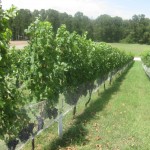
But when the schedule is tight and you want to target some respected wineries, here are a few additional wines that will take you to that summertime happy place.
Arterra Wines: 2014 Malbec
Barrel Oak: 2012 Petit Verdot
Blue Valley: 2013 Viognier
Chateaux O’Brien: 2011 Petit Manseng—full-bodied white
Desert Rose: 2014 Covert Cab
Fox Meadow: 2015 Barrel fermented Chardonnay
Linden: 2014 Avenius Sauvignon Blanc
Philip Carter: 2014 Sabine Hall Viognier
So seek, taste and evaluate on your own. The thrill of the hunt is often more fun than bagging the perfect bottle. Achieving both is wine nirvana.
Cheers!
Published in the 2016 Summer edition of inFauquier magazine.
Governor’s Cup wine competition recognizes state’s best wines
A panel of world-class judges recently pushed away from their tasting tables and on February 22 announced the winners of the 2016 Virginia Governor’s Cup wine competition. It will come as no surprise to county wine lovers that five Fauquier County wineries walked away with gold medals.

Toni Kilyk
Granite Heights Winery
While the competition has been held for 34 years, in 2012 it was restructured to represent the highest standards of professional wine evaluation in the Nation. To be awarded a gold medal 432 wines were evaluated in preliminary rounds with 130 finalists scrutinized by 15 professional sommeliers, chefs, writers and retailers; only 38 wines were awarded a coveted gold.
The overall winner of the Governor’s Cup was Keswick Vineyards in Charlottesville for its 2014 Cabernet Franc Reserve.
The Fauquier County winners were:
Delaplane Cellars:
2013 Williams Gap
Granite Heights Winery:
2010 Evening Serenade
2010 Lomax Reserve
2012 humility
Naked Mountain Winery:
2012 Petit Verdot
Pearmund Cellars:
2013 Chardonnay
2013 Petit Verdot
Vint Hill Craft Winery:
2013 Cabernet Sauvignon
Fauquier’s strong showing reinforces the caliber of wine being produced by winery proprietors. Congratulations to the winners—and all county wineries—for their dedication to the vintner’s art.
Note: Effinghman Manor’s opening has been delayed pending Prince William County approval. A hearing is anticipated in September or October 2016.
Nokesville plantation to offer public access to 249 year-old mansion
This spring the doors of a large, two story, five bay eighteenth-century Tidewater-style home will open to both wine and history lovers.
 The home is in remarkable condition given its Pre-Revolutionary War provenance but an eight man crew is working seven days a week to further provide guests a comfortable venue for sipping wine and exploring the 16 acre property. It is scheduled to open in April.
Effingham Manor was built in 1767 for William Alexander, grandson of John Alexander for whom the city of Alexandria was named. William and his wife Mary spent their entire lives on the plantation raising 16 children. He was obviously a busy man.
Alexander was also a member of the Prince William County Committee of Safety in 1774, Lieutenant Colonel of the Militia during the Revolutionary War and a justice. He inherited the land at age 20 and lived to 70 years-old. He is buried on the property.
It’s believed the estate was named in honor of Baron Frances Howard, 5th Lord Howard of Effingham and Governor of Virginia from 1683 to 1692. The home was built by British convicts exiled to America.
As expected of a property owned by wealthy early Americans, the plantation originally encompassed 42 square miles. The home is surrounded by several outbuildings including a blacksmith shop, former slave quarters, smokehouse and a triple terraced lawn.
After Alexander’s death, the property was divided into smaller parcels. During the Civil war Union soldiers encamped on the land. Weary infantrymen nailed horseshoes to trees and slumbered in hammocks tied to them. There are reports of horseshoes still hanging from nearby ancient trees.
By 1937, the home had fallen into severe disrepair and underwent a major restoration. Electricity, central heating and indoor plumbing were incorporated into the home.
In the mid-1950s, a three generation family of surgeons purchased the then 687-acre cattle farm and resided there until it was sold in 2004.
A developer purchased the property and built large homes on portions of the land. He further restored the manor house in anticipation of making it a wedding venue but went bankrupt before his plans were realized.
Enter the entrepreneur

Chris Pearmund
When the banked-owned property failed to sell, the bankers turned to a familiar name in Virginia wine: Chris Pearmund.
The experienced vintner was offered an opportunity to turn the property into a first class winery while maintaining its historic character.
Pearmund, 54, owner of Pearmund Cellars and Vint Hill Craft Winery and instrumental in operating The Winery at Bull Run has been involved in opening numerous Virginia wineries over last two decades. He immediately recognized the potential of the home.
“Effingham Manor is the 16th winery I’ve been associated with. I call it my ‘sweet 16’ project,” Pearmund said.
The hands-on entrepreneur and his crew are working full-time with hammer and paint brush to meet the April opening date.
The work involves refinishing floors, building a tasting bar in the home, completing restoration of the slave quarters for a second tasting venue, updating lighting systems and installing a $100,000 septic system.
Pearmund, managing partner of the winery, has assembled a group of 15 investors and reached 80 percent of his targeted $2.5 million restoration and expansion budget.
Plans also include building an operating winery on site and planting a vineyard by the fall of 2016. The vintner explains grapes don’t necessarily have to be grown on a winery site but does anticipate a small vineyard of up to 15 acres.
“In Virginia wine you often grow grapes in a different location from where you are selling the wine, especially at closer in suburban type settings. Wine grapes favor rocky, leaner soil with good drainage. Flat, rich farmland favorable to other agricultural products often does not produce the best fruit,” Pearmund explained.
Pearmund, in partnership with The Winery at Bull Run has planted 35 acres of grapes in Rappahannock County that will help supply wine for his new venture.
Meanwhile, he is bottling wine under the Effingham Manor label at his Pearmund Cellars winery in anticipation of the spring opening.
Pearmund is grateful for the opportunity he’s been given to launch another winery on such a unique property. “This is a very rich, historical, and important property. I want to completely respect it and leave it better that I found it.
“I think Effingham Manor will bring a lot of respect to Virginia wine. I want to make it a smaller version of Mt. Vernon or Monticello,” Pearmund said.
Effingham Manor is located at 14337 Trotters Ridge Place, Nokesville. For more information and progress reports on its opening visit http://effinghammanor.com/
Published in the February 3, 2016 edition of the Fauquier Times.
Upscale inn takes luxury to next level
Since 1931, The Mimslyn Inn has been a jewel in Virginia lodging. Situated on a high knoll in the town of Luray with views of the Blue Ridge Mountains, its first guests were pampered in an era when luxury getaways were rare, especially during the Great Depression.
But such was the attraction of the hostelry that it prospered and attracted clientele from around the world. Of course, it didn’t hurt to be situated minutes from the world famous Luray Caverns.
In 2005, the Asam family purchased the inn and undertook an $8 million restoration project returning the establishment to its glory days. The Asam’s knew from lodging and dining having created the successful Bavarian Inn in Shepherdstown in W.Va.

Mimslyn Inn
The Mimslyn’s 45 rooms were historically restored and updated to provide all the amenities expected by today’s vacationers. Fine dining was also a focus since the Asam’s philosophy is “food first.” The inn’s two restaurants serve both hotel guests and the general public year round.
Since 2008, the restored hotel has seen a steady increase in business under the leadership of General Manager Jim Sims.
The fortuitous hiring of Sims occurred because the hotelier was seeking a less stressful working environment after more than three decades in the hospitality business. The resume he brought to the Mimslyn was impressive having worked as a celebrity chef, major ski resort manager, CEO of the YMCA and other restaurant management positions around the country.
“I started as a bellman at Skyland in the Shenandoah National Park and managed the Park City ski resort in Utah among many other jobs. At Park City I had 36 restaurants under one roof,” Sims said.
While the Mimslyn job enabled him to throttle back, he acknowledges it took a serious commitment to manage the inn’s large public spaces available for weddings and other group events. There have been 27 weddings held at the hotel in the last two years alone.

Jim Sims
Sunday brunches have proven successful with both guests and locals. The full service buffet brunch typically serves 150 people each Sunday. “We have folks from Culpeper, Warrenton and Winchester who regularly join us for the buffet,” Sims said.
Unique special events are held once a month. Dinner shows featuring Frank Sinatra, Elvis and other tribute acts are consistently sold out.
The town of Luray has also benefited from his success. In 2004, the hotel generated $27,000 in occupancy taxes. Last year, it totaled $72,000.
In 2011, Sims was named lodging manager of the year by the Virginia Hospitality and Travel Association. Trip Advisor bestows the inn with a 4.5 star rating.
Cottages
In an effort to further provide guests a quality lodging experience, Sims launched a cottage program in 2014. Today there are four cottages and a house for lease behind the hotel.
The six bedroom Manor House comes with a full service kitchen, fireplace, two dining areas that can accommodate up to 20 people, front porch with rocking chairs, pool, and Wi-Fi. The four cottages offer similar privacy and luxury accommodations.
“The occupancy rate of the house and cottages in the summer outpaces the hotel rooms,” said Sims. In March 2016, six additional cottages will be made available. Construction will occur during the winter months.
The cottages will feature a bedroom and living room design with heated tile floors and towel racks, mini kitchens and more. “All the luxuries you would expect in an upscale rental cottage will be incorporated in their design.”
Sims says tourism is up in Virginia and 2015 has been the best year The Mimslyn Inn has experienced. “It will continue. There is pent up demand, especially for visiting the national parks. It’s just the tip of the iceberg. Our guests are both local, regional and national.”
For more information on The Mimslyn Inn, its lodging rates and special events visit http://mimslyninn.com/
John’s pick of the month
Stags Leap Wine Cellars
Artemis
$75 (Circa ’31 restaurant)
The Mimslyn Inn’s wine list is a diverse selection of quality wines. Given that chilly winter winds have begun to blow, a bottle of Napa Valley Cabernet Sauvignon is the perfect match for a December dinner in the Circa ’31 dining room. The wine is fairly priced for a restaurant selection.
International wine critic Robert Parker rated the wine 90 points saying it “offers delicious blackcurrant fruit…an attractive meaty, rich blackcurrant fruitiness, well-integrated wood, and hints of spice and oak. Fleshy and medium-bodied but also made in the elegant style sought by this winery, it should drink well for 10-15 years.”
Published in the January 14, 2016 edition of the Culpeper times.
Native Virginian takes keys to Madison cellar
Ben Jordan is a man on the move. Or was. He’s held a host of jobs in locales as diverse as New York City and San Francisco. Now he’s circled back to Virginia for what appears to be the end of his peripatetic travels.
“I’m a Virginia boy born and bred,” Jordan said. “So there is that draw. But it’s also the draw of being part of something that is growing and finding itself.”
Indeed. Virginia wine is increasingly recognized nationally for its quality. The industry is at a stage similar to the early years of Napa Valley. It’s an exhilarating time for a talented winemaker.

Ben Jordan
“It’s a lot more exciting and interesting to be one of the people that gets to decide what works and what doesn’t. At Early Mountain, with its state-of-the-art cellar facility and focus on quality, it’s a great opportunity,” Jordan said.
The winery has 55 acres of grapes under vine—predominately Bordeaux varieties—producing 6,000 cases of wine a year. With the emphasis on quality, production will top out at no more than 10,000 cases.
The cellar employs a gravity fed system enabling wine transfer to occur throughout the production process with minimum pumping and oxygen exposure. There are 40 stainless steel tanks and 250 oak barrels in use. French oak predominates because of its delicate impact on wine.
Country boy
Jordan, 39, was born in Staunton and raised as a young child on the Middle River in Augusta County near the family farm he regularly visited. He later attended Duke University studying biology and screenwriting. Upon graduation he moved to San Francisco.
Screenwriting was his first love and he returned east to attend Carnegie Mellon University earning a Master of Fine Arts degree.
After graduation, he moved to New York City to pursue a career in screenwriting. He worked at a wine shop while trying to establish a career as a playwright because “Nobody pays playwrights.”
His job selling wine sparked a serious interest in the beverage and he returned to San Francisco to work for a wine wholesaler and retailer.
“I got to know a lot of California winemakers, mostly boutique, and got to know them very well. I told them I wanted to learn what they were doing,” Jordan said.
Their advice was to do the actual work so he signed on as a volunteer during harvest at a winery. His talent was obvious and he was soon offered a job working both sales and winemaking.
From there Jordan went on to other wineries, making Pinot Noir in the Russian River Valley and a variety of wines in Sonoma. Screenwriting began to fade into the background.
Homeward bound
Realizing what was unfolding in Virginia, Jordan secured a job with Michael Shaps, owner of Virginia Wineworks in Charlottesville. Shaps is a respected winemaker who produces both his own wines and wines for other Old Dominion wineries.
Jordan became Shaps winemaker in 2012. “That job was my first real exposure to Virginia. I got to see much of the state. It was a terroir boot camp,” said Jordan, referring to the distinctiveness created by where the fruit is grown.

Early Mountain Vineyards
“I made more wine there in a year than most winemakers make in five years. It was very educational.”
Because of his wide ranging contacts established at Virginia Wineworks, Jordan was offered a job at Early Mountain.
“That’s the cool thing about Virginia. It’s more of a colleague thing than a competition thing. There’s a lot of sharing of information. Everybody is still figuring it out. You ask each other questions.
“Virginia is exciting. I could have stayed in California and made a career there” but he chose to come home and devote himself to the state of his birth.
Family vineyard
In addition to his full-time employment at Early Mountain, Jordan’s father owns a five acre vineyard in the Shenandoah Valley that he and his brother Timothy manage. Timothy Jordan is Michael Shaps vineyard manager so he comes with his own wine bona fides.
There are plans to establish a family labeled wine at some point in the future.
And who knows, someday Ben Jordan may also pen a screenplay on the fascinating world of Virginia wine.
John’s pick of the month
Early Mountain Vineyards
2013 Reserve Chardonnay
$34
With the holiday season upon us, chardonnay is a go to wine that complements a wide variety of foods from roast turkey to veal and pork. This 2013 rendition from Early Mountain is unique in that 15% petit manseng is blended in to brighten its acidity and aromatics. The delicate, even risky, technique of wild fermentation was employed to add further depth to an already big wine.
Aged on its lees (spent yeast cells) for nine months in predominately new oak and bottled without fining and filtering, a glass of this chardonnay is a fine example of one of the world’s most popular wines.
Published in the November 12, 2015 edition of the Culpeper Times.
Over three decades of successful winemaking
It’s fitting the original founder of Prince Michel Vineyard and Winery was a Frenchman; France has produced wine for over 2,000 years. Jean Leducq and his wife Sylviane established the winery in 1982 when Virginia was in its wine infancy.
But in 2002, Jean Leducq died and his wife sold the winery to Kristin Swanson Holzman. Together with winemaker Brad Hansen, the pair has grown Prince Michel into the fourth largest winery in the Old Dominion, producing 45,000 cases annually.

Brad Hansen
“I have been with Prince Michel for 16 years. I couldn’t imagine a situation arising that would make me jump away from this,” Hansen said smiling. “We have kind of a family relationship. It goes beyond just showing up. We are all looking out for each other even out of the work place.”
The family-like atmosphere may well be the basis for the quality wines produced at the Leon facility, located on Route 29 south of Culpeper. Karma goes into every bottle coming off the bottling line.
The winery produces two brands: Prince Michel and Rapidan River Wines. The former are traditional drier wines and the latter sweeter and fruit wines. The branding employs market segmentation providing customers a wide spectrum of wines to choose from.
Proprietor and vintner
Holzman and Hansen have a long working relationship that dates to when she sold grapes to Prince Michel over 15 years ago. Holzman farmed Ivy Creek Vineyards in Ivy, a respected vineyard that consistently produced quality fruit. Hansen established a long-term contact with her that eventually led to her buying Prince Michel.
Prior to grape growing, Holzman was a successful interior designer specializing in luxury yacht interiors. Her success led to establishing her own design company in Florida and eventually purchasing a historic property in the Charlottesville area.
The land was producing Viognier and Merlot grapes and set the stage for her next career as winegrower. The serendipitous purchase of her grapes by Hansen led to her buying Prince Michel in 2005.
As a young man Brad Hansen earned a degree in Botany and a Master’s Degree in Enology. He worked at Chateau St. Michelle and Columbia Crest in Washington State before returning East and to the eventual position as winemaker at Prince Michel.
In 1990, he married his wife Lydia and together they raised two “winery children” at Prince Michel, Christian and Isabella. “Both of our children grew up in the winery with me. I have lots of great stories of them helping me clean barrels, tanks, and doing other winery work,” Hansen said.
The hard working winemaker and family man has earned more than 400 medals for his wines.
Vineyard strategy
When Leducq established the winery 33 years ago, he grew his vineyard to 500 acres under vine; an exceptionally large planting even by today’s standards.
But it was also an era when vineyard managers were struggling to decode the secret behind what grapes to grow where. The “somewhereness” of a grape’s soil and climate is critical to sussing out the best properties of the fruit.
One grape that failed to fall in love with Virginia was Riesling; Leducq had planted 150 acres of the varietal that eventually had to be abandoned. Like many pioneers he left a legacy useful to future grape growers. Riesling is not widely grown in Virginia today.
As a result, in 2002 Hansen began sourcing fruit from quality vineyards from around the state. The strategy offered two advantages. First, it created a diversity of flavor profiles and secondly mitigated the dangers of a given seasonal crop failure by eliminating the “all eggs in one basket” approach to farming the delicate Vitis vinifera grape.
“I cherry picked the better Virginia vineyards and developed long-term relationships with the owners,” Hansen said.
 Today, the original Prince Michel vineyard has been reduced in size to six acres under vine; Pinot Grigio and Chardonnay are the two varietals grown on site. The majority of fruit is now sourced from six premier vineyards scattered across Virginia.
Symbius
Ask a winemaker what wine he or she is most proud of and you’ll likely get a hedge answer such as “all of them”. But of course.
In reality, a handful of beauties will truthfully come to mind for most winemakers.
Acknowledging that crisp, white wines are his summer favorites Hansen says, “When the weather turns, I’m in love with Symbius.”
Explaining modestly that the red blend “makes itself”, the effort in creating it belies that opinion. “We take all of the reds from a vintage and Kristin, Lydia and I blind taste them. We will taste 300 or 400 glasses and come up with the best of the best,” Hansen said.
Out of the seemingly endless number of potential red blends comes Symbius. “If I am not satisfied with that vintage blend, I will not make the wine that year,” Hansen emphasizes.
Typically, the final product receives four to six years of barrel aging before it is released to its waiting followers.
Prince Michael Vineyard and Winery is opened seven days a week. For information on hours of operation, events and more visit http://www.princemichel.com/
John’s pick of the month
Prince Michel Vineyard and Winery
2010 Symbius
$34.99
A rich blend of Bordeaux varietals, the wine displays a deeply colored red in the glass with aromatics of black fruits and currants. On the palate, full-bodied flavors of blackberry and currant dominate followed by a long, silky finish.
Pair this red beauty with a petite filet mignon and Yukon Gold mashed potatoes. To further enhance its enjoyment, add a gently crackling fireplace.
Published in the October 15, 2015 edition of the Culpeper Times.
