
Author Archive
Annual Golf Tourney Sponsored by National Defense Industrial Association

Tee Time
On Monday, April 18, some 250 golfers gathered at The Courses at Andrews Air Force Base to support the United Service Organizations, known to millions of service personnel and citizens alike as the USO. Over $35,000 was raised for the Metro chapter of the legendary organization.
The USO was established in 1941 by President Franklin D. Roosevelt. Its objective was to gather together a diverse group of charitable organizations and provide emotional support for the growing U.S. military. The USO of Metropolitan Washington operates centers on local military installations and lounges at all the area airports. It also provides services to recovering service members and their families at Walter Reed Army Medical Center and Bethesda Naval Medical Center.
The tournament was sponsored by the Washington DC Chapter of the National Defense Industrial Association. NDIA is America’s leading defense industry association promoting national security. Its members foster the development of innovative and superior equipment for our warfighters and first responders.

Wine Guy Distributes...Wine.
Rappahannock Cellars was honored to provide each player a bottle of our 2009 Noblesse Rouge. The wine was sold to NDIA at below wholesale and payment covered by one of the sponsors, Pratt & Whitney. I was pleased to assist at the registration table where the wine was presented to the golfers.
Dave Longley, chairman of the event, and Cheryl Luczko, Management Consultant with NDIA, organized the successful affair and were everywhere present throughout the daylong tournament.

Cheryl Luczko and Dave Longley
Attendees are looking forward to another great day of golf in April 2012 to again support the USO and our troops.

Let's Eat!
VDOT Sponsored Effort Keeps Highways & Byways Green
America the Beautiful. Originally written as a poem in 1895—and later published as the iconic anthem in 1910—the song has come to embody the stunningly beautiful USA landscape.

Now You See It...
And yet the challenge in keeping the “Beautiful” in America is daunting. With a population of 310 million citizens and over eight million miles of roads, litter is ubiquitous along the Nation’s thoroughfares. Here in Virginia, plastic bags, beer bottles & cans and fast food detritus aggressively compete with Spring’s colorful Redbud and Dogwood for roadside presence.
It’s difficult to grasp why littering occurs. How does anyone in good conscience roll down their window and toss garbage onto an artist’s palette? Ignorance? Indifference? Entitlement?
Who knows. It simply happens.
Fortunately, all fifty states have created volunteer programs to assist in keeping its highway systems clean. In Virginia, the Virginia Department of Transportation sponsors our statewide effort. Last year, volunteers contributed 31,800 hours of their time collecting 26,300 bags of trash, while scouring over 1,900 miles of highway. Not only are Old Dominion roads more scenic because of their efforts, but state coffers are given some relief in this era of budgetary cuts.

...Now You Don't.
Rappahannock Cellars contributes in a small way to the enormous effort. For the past five years, the winery has volunteered to maintain three miles of Route 522 in the immediate area of its tasting room.
On a recent sunny April weekday, management and staff from the winery collected twenty-five bright orange bags of trash. Marketing Manager Allan Delmare says, “Its a bit crazy to claim we had fun collecting trash. But honestly, it’s not the nasty job you’d imagine it is. You’re outside on a nice day making a noticeable impact on something you drive by every morning. Our commitment to preserving Virginia’s farmland through sustainable agriculture doesn’t end at our vineyard fence. Besides, it’s rewarding to look down that long stretch of highway and see green roadsides.”
Green indeed. Not only for the trash collectors but for the wayfarers traveling through beautiful Rappahannock County.
For individuals or groups considering adopting a stretch of Virginia highway, visit VDOT’s web site. Or call 1-800-FOR-Road (1-800-367-7623). Once you’ve submitted an application and VDOT approves it, signs will be placed on the highway crediting your group with the adoption. You will obtain safety vests and collection bags from your local VDOT office.
So are immediately cleaner roads the only benefit to the program? Not entirely. Research has shown that maintained highways produce less litter in the long run. And seeing volunteers at work along the roads often makes motorists think twice before carelessly discarding trash.
So grab those orange bags. “America the Beautiful” is your song to sing.

The Orange Brigade
Owners of Foster Harris House Share Insights on Career Change
Diane and John MacPherson are native New Englanders who built impressive resumes coupled with world travel. Their last port of call was Laguna Beach, California, where Diane was a business consultant and trainer, and John a design engineer. But their successful careers bumped up against the realities of corporate restructuring and left both of them feeling a loss of creativity. They decided to reinvent their lives.

Diane MacPherson
The MacPhersons mutual love of food, wine and the outdoors set the stage for a way of life they hadn’t imagined. “We had gotten to the point where we were both unhappy in our jobs and wondered if there was a way to make a living doing all the activities we enjoyed. When we struck upon the idea of running a bed and breakfast in a wine growing region and offering cycling tours, we realized we’d come up with the perfect formula,” says John. In less than a year, the MacPhersons were welcoming guests at Foster Harris House in Washington, Virginia. “It was one of the best decisions we’ve ever made,” says John.
Rappahannock County was a smart move for the vibrant and athletic couple. The late presidential hopeful Eugene McCarty—a former resident of the county—once said the region was, “seventy-five miles and seventy-five years from Washington, DC.” He might have also added it was a magnet for Washington’s overworked and overstressed denizens.

Foster Harris House
“Each year since we took over the inn, our business has grown. We simply envisioned what we’d want in a getaway vacation and built the business on that model,” John states. Based on guest feedback and repeat bookings, it looks like they’ve succeeded.
And what exactly is that model? First, the MacPhersons strongly believe that both partners need to be involved in the operation of an inn. Often owners are holding down other jobs or one of the parties is not as committed to the venture. A B&B can function under such circumstances, but the physical and emotional demands are significant. “For our guests to fully enjoy their stay, we’ve found it’s vital for both of us to be invested. If one of us is not operating at full speed on a given day, the other one can step up and take charge,” says Diane.
Next, the setting must convey a feeling of comfort and convenience. “People come to B&Bs to enjoy the ambience and intimacy of a place steeped in history. A place with architecture and décor that are decidedly not hotel-like. Yet guests still want the comforts and conveniences of modern hotel rooms. That’s why we’ve made it our mission to make sure everything that physically touches the guests is high quality,’ Diane explains. “We pay close attention to our choice of towels and linens, the firmness of the mattresses and the ergonomics of a space designed for relaxation. We’ve both traveled a lot for our careers, so we’ve designed the rooms around our own best experiences.”
The “breakfast” in “bed and breakfast” also became a focal point. John, an accomplished chef and author of his own cookbook, creates a tasty array of morning treats, including pecan pancakes with caramelized bananas; wild mushroom, spinach and Gruyere frittatas; gingerbread waffles and paradise bacon, to name just a few. The gourmet breakfasts also inspire guests to buy the cookbook, which includes recipes for all occasions following the same theme: Fresh ingredients that are prepared simply and presented thoughtfully.

Compton Room
According to the MacPhersons, running a successful inn requires not only a strong partnership, but a constant push for greater efficiency. “Small business owners know that time management is vital, so we consider it a victory each time we come up with a new way––however small—to save time or money,” Diane explains. “After six years in the business, we still have moments where we say, ‘Duh – why didn’t we think of that years ago?”
One recent example was a kitchen improvement. As the food server each morning, Diane frequently delves into the freezer for ice cubes, but always had a tough time finding the ice scoop because it was clear plastic and blended in with all of the frozen goods. “I spent about an hour online trying –without success — to find a brightly colored ice scoop,” Diane laughs. “Then John said, ‘Why don’t we just wrap the handle in orange electrical tape?’” Now, Diane never has a problem finding the scoop. “The time saved with this improvement is probably negligible, but the averted daily annoyance? Priceless,” jokes Diane.
Inn owners also must maintain a delicate balance between preserving personal space and making guests feel welcomed. “Proprietors have a unique challenge in that the line between home life and work life is more blurred than perhaps any other industry,” Diane explains. “To avoid burn-out, it’s crucial to set boundaries.”
“The kitchen had always been a conundrum in that regard,” says John. “The doorway into the kitchen from the guest dining room is essentially the threshold to our personal space, but after breakfast service, we didn’t feel comfortable simply shutting the door, since we want to be available to guests if they have questions or want to check out. Then John had the idea of installing a Dutch door. It provided the needed separation of the two areas but without making our guests feel, literally, shut out,” Diane explains.

John MacPherson
Another useful skill is the ability to perform as many home repairs and maintenance tasks as possible. Frequently, as John’s apron comes off, his carpenter’s belt goes on. His home repair skills have proved invaluable. Calling in a handyman to tend to the needs of a century old home can be expensive. The do-it-yourself approach to maintenance means paying yourself, not others.
And what about getaway time for the proprietors? Since weekends are consistent revenue producers, both vacations and days off center on weekdays. The couple enjoys only a one week vacation in the winter and two five day breaks in the summer. “One real advantage over most businesses is that we can schedule our workload. We can slip away for a day here and there which provides a nice break. It’s a demanding schedule, but far from overwhelming,” says Diane.
Perhaps the best fringe benefit of running the B&B is the enduring friendships that John and Diane have formed with many of their guests, some of whom are now like family. “The annual visits of our regular guests mark the changing of the seasons and the heralding in of holidays,” says John, adding, “Our lives are richer, thanks to them.”
And to confirm the mutual respect, one only has to read reviews on Amazon.com for John’s book. One comment comes from T.W. Barritt of CulinaryTypes.com who states, “The first time I stayed at the Foster Harris House I had a feeling of déjà vu, as if I’d met innkeepers Diane and John MacPherson before. Each room is elegantly furnished yet supremely comfortable. John is the chef who sees artistry in simple ingredients like eggs and bacon. Each morning is better than the day before. New guests whisper to me, have you gotten this kind of breakfast everyday.”
Need more be said? Makes all of us want to consider a career change, eh?

“The Donald” Could Become Force in Showcasing Old Dominion Wine Worldwide
In yet another reinvention of himself, Donald Trump purchased the Kluge Estate Winery & Vineyard in Charlottesville, Virginia on April 7, adding “winemaker” to his renowned deal maker reputation. Known worldwide for his magical investment acumen, the New York Billionaire is now poised to make a significant contribution to Virginia’s wine reputation.

Kluge Winery Barrel Cave
The unlikely appearance of Trump in Virginia’s “tasting room” was a result of his long friendship with Patricia Kluge, the driving force behind the creation of one of the largest wineries in the state. Unfortunately, a bad economy and an overzealous business plan resulted in her dream falling into foreclosure last year. Until a last minute agreement by Trump to ride to the rescue, it looked like Kluge would relinquish the keys to her wine cellar and move on. Trump seemingly reversed those plans with a simple lift of the bidder’s paddle.
Trump’s winning bid of $6.2 million was an extraordinary bargain since the estate went on the market last year for $100 million and had an existing $28 million mortgage. He said it was likely he would keep Kluge in charge of winery operations, one of the few areas in which he claims no expertise.
If the general understanding of the arrangement comes to pass, bottles of Trump wine might well be appearing in casinos, resorts, country clubs and restaurants worldwide—all owned by the financier. His existing distribution network could provide dramatic exposure to what is currently considered a regional wine producing region.
 The day following Trump’s coup, another auction was held at the winery itself to liquidate the assets as part of the overall estate settlement. The event was attended by both winery owners and farmers from around the state looking for bargain basement equipment. The bidders were in for a surprise.

Bill Moses
Kluge’s husband Bill Moses, with his ever-present laptop, was accompanied at the auction by his stylishly dressed wife Patricia. He repeatedly raised his bidder’s number 990 buying all of the top wine equipment and most of the bulk wine. Within an hour it became apparent Trump was invisibly circulating the winery grounds pointing out what he wanted to keep and what he was willing to let go. He kept most of the good stuff for himself. Surprised?
I attended the auction and had an opportunity to observe the unique interaction between the auctioneers and the former owners. It seems that Moses was never more than few feet from the auctioneer’s microphone as one piece of expensive equipment after another shifted from bank ownership into Trump’s hands.
Not often do major second chances in life occur as dramatic as this event. It appears Kluge and Moses will continue to generate headlines in the Commonwealth’s wine industry in the years ahead. If you didn’t get a chance to attend this unusual auction, take a few minutes to see how it unfolded in the video below.
All the best to Trump, Kluge and Moses. Wine lovers everywhere will be waiting to see how the new venture plays out.
[vsw id=”Y1bfBnS6sik” source=”youtube” width=”425″ height=”344″ autoplay=”no”]
35th Winery Rendezvous Meets All Expectations
The largest winery conference east of the Mississippi was held March 29 to April 1, 2011 at the Greater Richmond Convention Center.
The annual confab was attended by over 1,600 winery personnel and hundreds of vendors. With the USA’s new title of “world’s largest wine consuming nation,” wine making and its marketing have become big business in the eastern United States.
On March 30, I accompanied the owner and management staff of Rappahannock Cellars as we headed south to The River City. At the convention center, our team fanned out and took in all aspects of the event in blitzkrieg fashion. Based on the show’s hyperactivity, new services and equipment will soon be gracing wineries throughout the mid-Atlantic region.
During my stroll of the exhibit area, I was fortunate to briefly chat with legendary winemaker Randall Grahm, owner and winemaker at Bonny Doon Vineyard in Santa Cruz, California.
On this road show, I left my reporter’s pen and pad at home and grab my video camera. If you’ve never attended this mega trade show, spend a few minutes seeing what transpires on the convention floor and in the seminars. The array of products is impressive.
[vsw id=”_cDQ1MizZXc” source=”youtube” width=”425″ height=”344″ autoplay=”no”]
High Desert Country and a Glass of Wine Comes to Western Fauquier County
Bob and Linda Claymier travelled the world during his career with the Federal Service. Yet, they always felt an urge to return to their roots in eastern Oregon’s high desert country. What they didn’t count on was falling in love with Fauquier County.
The solution? Create the horse ranch of their dreams in Virginia when they retired. But retirement did not mean slowing down. Within a few years of purchasing eighty acres off Hume Road and stocking it with purebred Arabian horses, Claymier had become a nationally known horse trainer. He collaborated extensively with the renowned “Horse Whisperer” Frank Bell, and produced his own horse training DVD.
So how did wine enter the picture? “My family made wine when I was a kid. It was mostly fruit wines. But I enjoyed the hobby and wherever I was stationed I made grape wine for my family and friends. When we moved to Fauquier and saw what was happening in the wine industry, we thought we could take the hobby to the next level,” he says.

Bob & Linda Claymier
Today, the Claymiers have created one of the more unique wineries in Virginia. Horses are an integral part of the atmosphere with a small corral at the front of the property and a ranch pond just below the wrap-around deck. Could that be a cowboy saddling up an Arabian in a nearby pasture? Most likely it’s Claymier getting ready to exercise one of his prized horses.
As you enter the winery itself, you are transported out west with earth tone colors, a stone fireplace and the de rigueur caribou horn rack hanging above the fireplace. A large tasting bar—with a counter top displaying an impressive collection of international coin and paper currency collected during Claymier’s career—is the focal point of the spacious ranch-like tasting room.
“I want a down-home atmosphere here. This is not so much a business as an extension of my home. Linda and I love entertaining and guests at the winery will be treated like family. We have a “Kiddies Korner” and family dogs will be welcomed,” he emphasizes.
Fred Furtado, a long time friend and colleague recalls, “I’ve known Bob for over thirty years. He embodies the ‘rolling stone gathers no moss’ philosophy. His energy level is amazing. Folks are going to be impressed with what he has created at Desert Rose.”
John Delmare, owner of nearby Rappahannock Cellars, echoes the sentiments, saying, “Bob and Linda are good friends. We couldn’t be happier to see them realizing their hard earned dream. His winery will be good for the industry and good for us. A rising tide does float all boats and we’re excited to be recommending a new local winery to our guests. Especially one that’s making very good wines.”
 Very good indeed. Opening day will see six wines on the tasting sheet. Two whites, one rosé, two reds and a dessert wine. Some of the wines will be whimsically named, such as “Ole Moo Moo”, an off-dry blend of Seyval Blanc, Chardonnay, Viognier and Vidal Blanc, and named in honor of a beloved cow who endured numerous hardships. One of the reds is called R.E.D.—Retired & Extremely Dangerous—in reference to the thrill the Claymiers experienced during their first months of retirement. And the dessert wine is labeled “Starboard”. If it’s not Port, then it must be Starboard, hey?
The Claymiers are committed to being good stewards of both the land and their local community. “We will not be an event-focused winery. We will not host tour buses and there will be no outside amplified music. A visit to Desert Rose will be like calling on friends and neighbors. We’re going to build our business one customer at a time. Our goal is to have each guest planning their next visit as they leave the ranch,” Bob explains.
So head ‘em up and move’ em out to the Desert Rose Winery. It’s not often you can travel out west and never leave Fauquier County.
Desert Rose Winery is located at 13726 Hume Road in Hume, VA. The tasting room is opened Friday through Sunday and all Monday holidays from 1pm to 6pm. 540.635.3200.

- Desert Rose Winery
Published in the March 9, 2011 edition of the Fauquier-Times Democrat.
“We’re having rack of lamb tonight,” my wife, Jean, advises. It’s my cue to select a wine from our cellar and get the fireplace going, both enjoyable tasks that will culminate in a cozy evening at home.
 With the fire roaring, I turn my attention to the wine that will accompany our flavorful rack of lamb, roasted red bliss potatoes with rosemary and hericot vert green beans sautéed in olive oil with sliced almonds and a dash of crushed garlic. My selection for the full-bodied repast verily jumps out of my wine rack: Chester Gap Cellars 2008 Cabernet Franc.
I’ve enjoyed Chester Gap wines from the day the winery opened. Owner and winemaker Bernd Jung produces clean, artisanal wines with depth and spot-on varietal character. His ’08 Cabernet Franc is one of my favorites. It pours an almost inky garnet in the glass and releases aromatic notes of mint, cherry, smoke and spice. I force myself to swirl and sniff rather than just start drinking; easy boy, easy.
On the palate, the nose has faithfully interpreted the rich, mouth filling black fruit, mint and subtle coffee notes, all framed by smooth tannins. We enjoy a glass before dinner and relish the rest of the bottle with the lamb. With our food, the wine jumps into overdrive and we both exchange smiles of pleasure. Is this Napa Valley in a Virginia bottle? Not a chance. This is Old Dominion wine at its best.
Published in the Spring 2011 edition of Virginia WineLover Magazine.

Backpacking Maven Assembles His Faithful Followers
The packs are hoisted on the backs…hip belts cinched tight…hiking staffs clutched firmly in hand. Then a voice calmly announces, “Pace yourself gentlemen. It’s a 2,500 foot elevation gain in the first four miles.”
Hmmm…2,500 feet? Hey, wait a minute, that’s equal to climbing the Washington Monument almost five times. And we each have about forty pounds on our backs.
“Commander” Testerman has not changed his evil—but enjoyable—ways. Welcome back to the fold.

Jeff Testerman
I’ve posted articles over the past few years about Jeff Testerman, the driving force behind the restoration of a civil war era cabin located just outside the park boundaries of the Shenandoah National Park, or SNP, near Elkton, Virginia.
The volunteer project took over five years of weekend work to complete and pulled Mr. T and his disciples away from their first love, backpacking. When the cabin was finally placed into the rental system of the Potomac Appalachian Trail Club, or PATC, last October, Jeff vowed to hit the trail again.
His first trip was last November and my schedule precluded joining his band of weekend mountain men. But when one of his emails hit my inbox last month announcing another adventure, I locked in the dates and began preparing for the ramble.
For years, Jeff had been encouraging me to hang up my heavy external frame pack and go with a modern internal frame backpack. I couldn’t bring myself to part with my old mate, dubbed “The Refrigerator” by those who hiked behind me. But time, and an increasingly cranky body, finally convinced me to switch gear. It was the best backpacking decision I had made in years.

Gregory Internal Frame Pack
The new pack—a Gregory Baltoro 70—is lighter, more flexible and fits like its grafted onto your back. Hiking with this beauty almost makes you forget you’re carrying anything.
Most of our group spent the first night at the PATC’s Tulip Tree Cabin on the edge of the SNP near Luray, Virginia. The next morning we were joined by a few more friends. When we left the cabin at 9:30 AM, ten trampers headed up the mountain. We started hiking up Crusher Ridge Trail—aptly named—and ascended to the Appalachian Trail, or AT. There, we moved south along the AT to Little Stony Man Mountain and enjoyed a lunch break with superb views on a mild winter day.

Rest Break
An hour later, we were gazing out over the Shenandoah Valley from the peak of Stony Man Mountain, 4,000 quiet feet above the maddening chase below. The steady trail chatter heard throughout the morning subsided as we gazed out over the valley. Only a soft breeze and silence embraced us.

The Summit
From there, we dropped down and crossed over Skyline Drive and descended the Corbin Hollow Trail on the morning side of the Blue Ridge. Later in the afternoon we picked up the Indian Run Trail, arriving at the PATC Corbin Cabin around 4 PM.

Corbin Cabin
The rustic dwelling was built in 1910 by twenty-one year old mountaineer George Corbin. A framed history of the cabin is mounted on the wall with details of his hard life, including the death of his wife in childbirth. After he buried her in a cemetery behind his home, he walked several miles through a snowy landscape to purchase milk for his new born child. It’s difficult to appreciate how harsh life was in certain parts of Virginia less than a century ago.
That evening our intrepid band was joined by a comrade who’s schedule did not permit her hiking the entire weekend. An enjoyable evening of libations and camaraderie came to a close around 10 PM as the tired crew hit the rack for a night of sound sleep.
The following morning we climbed 1,500 feet up the Nicholson Hollow Trail, crossing back over Skyline Drive and down Crusher Ridge. The “crush” had been taken out of the trail as we descended two and one half miles straight down to Tulip Tree Cabin, where we had begun the day before, a total of fifteen miles of backpacking under our belts.
Half of our band bid the group adieu and headed back to civilization while the rest of us spent a quiet afternoon sitting outside the cabin, swapping stories and listening to bluegrass music on one of the truck’s stereo system. An early dinner was followed by a 9 PM bunk crash. And get this, everybody slept soundly once again.

Tulip Tree Cabin
“Commander” Testerman has warned us that another mountain assault will occur within the next few months so I think my neighborhood walks will continue unabated. Throwing a pack up on your back requires a wee bit of conditioning. But it’s an investment with a ten fold rate of return.

Corbin Cabin
Red Bordeaux Grape Gaining Traction in the Old Dominion
Color and spice and everything nice. An apt description for a grape that Virginia wine lovers will be hearing—and tasting a lot more of—in the years ahead.
 There’s nothing petite about Petit Verdot. It produces a big, bold, dark wine that historically has been used as a minor blending grape in the Médoc region of France, typically contributing less than 15% to their classic blends. Its origins are thought to predate Cabernet Sauvignon and its sparing use in Old World wines provide depth and color to Bordeaux’s best offerings. The French think of it as a spice not a sauce.
In the United States, for a wine to be called by its varietal name, a 1983 Federal law requires it must contain at least seventy-five percent of the grape named on the label. It’s called varietal labeling. In Virginia, a growing percentage of Petit Verdot is being crafted in this style. And it’s causing a buzz.
In 2006, there was no separately reported acreage of commercially grown Petit Verdot in Virginia. Yet in 2010, five of the top fifteen wines earning gold medals in the Governor’s Cup competition were bottlings of this deep purple beauty. Think zero to sixty in 3.5 seconds. And the grape is still in second gear.
Origins of a winner
So how did this aristocratic grape find its way to Virginia?

Tony Wolf, VA State Viniculturist
As with much of the advancement in viticulture in the state, Dr. Tony Wolf, Professor of Horticulture at Virginia Tech and the state’s cooperative extension viticulturist, played a role in determining if the grape could perform here. “We found the vine grew well throughout the state because of its cold hardiness. I think its future lies in its blending strengths. It can be a tougher sell as a straight varietal since it’s not a familiar grape to the average wine consumer. But I’m upbeat about the vine and recommend it as a viable vinifera species for winegrowers throughout the state,” he says.
Wolf further underscores it will be state’s winemakers who ultimately decide how the grape will best be utilized. That debate is well underway and you may want to join in.
In tests plantings in Winchester from 1991 to 1998 and in Blackstone from 2005 to 2007, Wolf evaluated the grape’s potential for thriving in Virginia’s terroir. He advised winemakers in 2008 that in addition to its cold hearty constitution it produced a wine that was rich in color, acidity, alcohol, tannin, and spicy flavors. Winemakers around the state looked up from their labors and responded with a collective, “Oh, really?” The vine began to be planted statewide.
In 2006, any Petit Verdot being grown in Virginia would have been listed under an “other red Vinifera” category since the plantings would have been quite small. In ’07, 101 acres were officially reported under vine and in ’08 115 acres. Total wine grape production in Virginia in 2008 encompassed 2,870 acres, generating some 7,000 tons of fruit, so the grape was still in its infancy. Statistics for 2009 are not available because the Federal Department of Agriculture stopped reporting individual vine acreage in the state. The Virginia Wine Board Marketing Office assumed that responsibility. In March of this year, updated acreage plantings will be available. Look for the grape to have gained an even stronger foothold in the last two years.
Winemakers’ verdict

Andy Reagan
So what are vintners around the state saying about the grape’s potential? There are two camps of thought. One segment of cellar alchemists believes a varietally labeled version will dominate in the years ahead. Others are less optimistic, thinking the grape will retain its reputation as a blending component. Most all believe the berry will find a permanent home in the state regardless of how it is employed.
One of the more passionate proponents of the grape is Andy Reagan, winemaker at Jefferson Vineyards. “I believe Petit Verdot will become the best variety in the state. Just a few years ago at Jefferson we were producing sixty cases a year. Now it’s around 600 and we could sell 1,000 cases if we had the fruit. Some of the knocks about Virginia red wine is that it lacks color, structure and not enough depth. Petit Verdot has it all; inky hues, firm tannins, good acidity, and a spicy palate.
“I like to blend in a bit of Cabernet Franc or Cabernet Sauvignon to emphasize the fruit component which it doesn’t possess in abundance. In the vineyard, it’s been a consistent producer. We’ve doubled our planting in the last two years and still can’t make enough of it. It’s one of our tasting room favorites,” he says.

Jason Burrus
Jason Burrus, winemaker at Rappahannock Cellars, won’t go as far in committing to the grape’s future. “I like Petit Verdot and Virginia should definitely pursue its cultivation. But sometimes I think we place too much emphasis on varietal wines. I don’t think predominately Petit Verdot or Tannat wines will cast a positive light on the state. I see it more as a blender for use in Meritage-style wines,” he explains.

Michael Shaps
But no sooner that one opinion is expressed and a counter thought erupts. Michael Shaps, owner and winemaker with Virginia Wineworks enthuses, “The grape could be Virginia’s number one red in less than ten years. It will create its own demand. As more of it is poured in tasting rooms around the state, word will spread.
“Predominately I make it as a 100% varietal and use lesser amounts in some blends. It is a highly extracted, aromatic wine and makes itself in the vineyard, ripening consistently throughout most of the state. It is a wine for the serious consumer. And we need to connect with that category of drinker to put Virginia on the national wine map. The buzz about the grape is well established among winemakers. Soon the general public will catch the excitement.”

Stephen Barnard
Stephen Barnard, winemaker and General Manager at Keswick Vineyards, produces between 100 to 250 cases of the wine each year depending on the grape’s availability. He makes both a varietal and a blended rendition. “I’ve found some problems with inconsistent cluster development in our vineyard so we must carefully cull it at harvest time to eliminate any green berries.
“One drawback is its unfamiliarity which can hinder sales. It takes time to educate the public to the merits of a new wine. But Cab Franc had a similar challenge and it was overcome. Petit Verdot is a big, aggressive, inky wine and not suited to everyone’s taste so I strive to make a more elegant version. I love the wine and love making it,” he states.

Jeff White
Jeff White, owner and winemaker at Glen Manor Vineyards, and a relatively new vintner garnering impressive reviews for his wines, sees the grape as having multiple personalities. “It is my most consistent grape in the vineyard and I use it for both blending and producing a 100 percent varietal. So far the wine has been perfect just by itself. I will produce about 125 cases as a varietal this year. Everyone loves it and it sells out fast. Last year, I was down to two cases and I pulled it off our tasting sheet. I sent an email out announcing the impending end of its availability. It sold out in thirty minutes. I think it could ellipse Cab Franc,” he says.
In pursuit of excellence
Perhaps the most exciting thing about the grape is it typifies Virginia’s pioneering spirit and willingness to continue to search for the grape that will place our state among the top producers in the Nation. It’s perseverance with cause. Reputations are firmly established when success is consistently met in both the vineyard and the cellar.
Every wine region in the world seeks to identify itself with one or two specific grapes. Think Napa Cabernet Sauvignon, Oregon Pinot Noir, New Zealand Sauvignon Blanc, Argentina Malbec and Australia Shiraz. In Virginia, Cabernet Franc and Viognier have made their mark. But as our industry matures and gains more experience growing grapes and making wine, the search will continue for the ultimate wine berry.
Perhaps Petit Verdot will, indeed, be the breakthrough red grape of Virginia. Keep your eye on tasting notes throughout the state. There’s a new Virginia wine gem emerging and its ultimate success or failure will be judged on how well it performs in the glass.
If you want to weigh in on the decision, cast a vote with your palate.
Published in the 2011 spring edition of The Piedmont Virginian.

Fabbioli Cellars
2008
Cabernet Franc
$19
Doug Fabbioli experienced a catastrophic loss of grapes in the spring of 2010 to frost.
 Fortunately, his 2009 vintage produced abundant and solid wines which will see him through until his 2011 harvest is in the bottle. His ‘09 Cabernet Franc is a medium weight red with delicate aromas of cinnamon and cherry and displaying soft cherry & berry notes on the palate. The finish is smooth, clean and framed by a veil of smoke, showcasing the skills of this talented winemaker.
Pair this refreshing red with a hearty lamb stew and oven fresh Ciabatta bread. Drink now through 2014.
Visit Fabbioli Cellars at http://fabbioliwines.com/
On August 11 of last year, I posted a report on my 2009 wine production. In it I included an assessment that the hot and dry 2010 Virginia growing season held the threat of heartache for winemakers; especially for the production of white wine.
The heartache never materialized.
Blistering summer temperatures can drive up sugar levels and drop acidity in white grapes that is not conducive to making aromatic and bright white wines. But if my experience is mirrored by the professionals around the state, the Grape Class of 2010 graduated magna cum laude.
As expected, the juice I was able to procure last September was, indeed, lower in acidity than hoped for. But that’s not unusual in Virginia. When the deficiency occurs winemakers can add natural grape acids to produce balanced wine. The addition can be done both before and after fermentation, but ideally the correction is performed before the juice is converted into wine.
Let’s Get Technical
 In my case, I treated most of my white juice—Pinot Gris, Viognier and Chardonnay with additions of tartaric acid, the major acid found in wine. Only my Seyval Blanc was procured with good acidity levels. For those unfamiliar with winemaking, the thought of adding acid to juice may seem off-putting. But it is a critical component of sound winemaking if the harvested fruit is deficient. Without it, the final product would be flabby and boring with a one dimensional character. Bump up the acid to proper levels and the wine comes alive. Think of a generous squeeze of fresh lemon on a tender filet of Mahi Mahi; the sea catch’s flavor is enhanced and intensified. Ditto for wine.
This year I also committed to blocking a secondary fermentation called malolactic in all my whites. While not a true fermentation process, it converts the malic acid in a wine to lactic acid, softening the mouthfeel and producing butter notes on the finish. It is most commonly used in making Chardonnay. Remember tasting notes that mentioned a “buttery Chardonnay”? The wine went through ML, or malolactic fermentation.
But I prefer white wine that is bone dry, bright and razor sharp, so I prevented ML through an addition of sulfites. Most commercial wine is treated with a minuscule amount of sulfur. It inhibits microbial activity and permits wine to age for longer than a year or so. It is probably the single most important additive in producing sound wine. Dried fruit, by the way, has several more times sulfur added to it to preserve the product. Sulfur is widely used in commercial food processing.

White Wine Undergoing Malolactic Fermentation
One mystery that I again encountered was the failure of sulfur to stop a slow, inexorable ML from occurring in my Chardonnay. I have discussed this issue with professional winemakers who are hard pressed to believe the ML process could proceed with sufficient levels of sulfites in the wine. Nonetheless, I have three six-gallon carboys of Chardonnay—completely dry—that continue to produce telltale ML bubbles slowly crawling of the sides of the vessels, even with 50ppm of free sulfur in the wine. The wine completed its primary fermentation back in late September and has been softly perking away ever since, converting the malic acid to lactic. To assure the process goes to completion, I wrapped the carboys in an electric blanket and maintain the wine temperature at 74 degrees. ML bacteria are very sensitive to cold and could stop working if the wine became chilled. Daddy needs to keep his little babies nice and comfy.
Let It Be
So what to do? Let the wine be itself. I dare not proceed further with cold stabilization or filtering because home winemakers cannot steri-filter. If I don’t let the wine have its way in the carboy, it most assuredly will have its way in the bottle. And I am not a fan of cloudy, fizzy Chardonnay. It’s here that patience in winemaking is rewarded. The wine tastes good so I will let it proceed through full ML before it goes into the bottle.
I have now bottled 23 cases of my white wines and they are pouring very nicely, displaying pale straw hues and aromas and flavors ranging from white peach and lemon to tropical fruits; all framed with bright acidity. Jean and I can’t wait for the summer months to really begin enjoying our little hobby in the glass.
As for my red wines, about a third of them have completed ML and the rest are chugging away under an electric blanket. Almost all red wine is encouraged to go through ML and it will not be till early summer before I consider bottling any of my Cabernet Franc/Petit Verdot blend or Cabernet Sauvignon.
But that’s not a problem. Last year’s reds are pouring just fine.

Fabbioli Cellars Survives Ultimate Vineyard Threat
Perhaps a farmer’s greatest fear is frost. In one chilling night an entire harvest can vanish. And the timing of the natural disaster is brutally exquisite. Just as earth’s solar energy surges with warmth necessary for rebirth, a layer of cold air silently descends killing the emerging life.
 Frost possesses an especially powerful hold over a grower of delicate wine grapes. In Virginia, a thriving wine culture has developed over forty years. Much of the growth has been driven by the ability to master the art and science of growing Vitis vinifera, the vine species that produces 99 percent of the world’s wines. For three hundred and fifty years our winemakers could not successfully cultivate the fragile vine. Farmers no less esteemed than Thomas Jefferson tried and failed.
Then in the late 1970s, tentative steps were taken to acquire the skills to grow the fruit and within twenty-five years the industry was no longer dependent of native and hybrid grapes for survival. The state’s wine industry exploded. Viognier, Chardonnay, Cabernet Franc, Merlot and many more classic wines became readily available in tasting rooms across the Old Dominion.
But each year, success is tempered by the difficulty of bringing harvests safely into the cellar. Cold winters, humid summers, insects, mildews and assorted fungi are a constant threat to those with the hubris to grow the sensitive Eurasian grape. And no threat is more swift and mortal than frost. One cold, clear and quiet spring evening can create killing fields where hours before verdant growth held sway.
Frost has its lethal way at the vine’s most vulnerable period of growth. As the buds break open in mid-April and the leaves uncurl in the spring sun, tiny knots of BB-like clusters appear, foretelling the juicy grapes they will become. At this point, the vine has cast its die for fruit production. It must continue to receive the gift of warmth. Any temperature drop below 32 degrees and the buds can succumb, as will the hopes of the winemaker in transforming the vine into wine.
Our Story
And it’s here that our story of death and recovery begins.
Doug Fabbioli was destined to be a winery owner. One of his first jobs was working in a vineyard in upstate New York after graduating from high school. Upon earning a college degree in business administration, he moved to California with his wife Colleen and spent ten years gaining experience while working at the Buena Vista Carneros Winery, the oldest premium winery in California, founded in 1857.
In 1997, he moved to Virginia, intrigued with what was developing in the state’s wine industry. There were sixty-five wineries in the Commonwealth at the time. Today, there are almost 200 statewide; twenty-six in Loudoun County alone where Fabbioli Cellars is located. For three and a half years he was winemaker at Tarara Winery north of Leesburg, followed by a few years of work as a wine consultant. During this period, he purchased 25 acres of fertile land off Route 15, built his home and planted eight acres of vines.

Fabbioli Vineyard
“When I bought my land, I knew it wasn’t a perfect vineyard site due to the possibility of frost. But I had a variety of reasons for the purchase, including my desire to stay in the area, a convenient location for Colleen’s commute to work and a commercially viable location for a winery. It was overall a solid decision,” Fabbioli recalls.
“During this period, my production was less than 400 cases a year. After I opened the winery in 2004, I continued ramping up production, making 3,500 cases in 2009. I had some slight frost damage in the past but nothing serious. On May 10 of last year—Mother’s Day—frost warnings were forecasted. I wasn’t particularly worried based on past experience. And I didn’t take any preventive measures to protect my vines. I live in an area of estate homes and one of my neighbors raises horses. I was reluctant to employ measures that would create noise or fumes that might have an adverse effect on his stock. That night a hard frost fell. By morning I knew I had problems.
“I walked the entire vineyard on Monday and saw the extent of the damage. I was hopeful the growth might spring back, but it didn’t happen. In a few days, I knew I had lost ninety percent of my crop; forty tons of fruit valued at $80,000. The finished wine from the harvest would have produced $500,000 in revenue. It was the biggest financial hit I had ever taken in the wine business,” he states.
Fabbioli believes he may have inadvertently contributed to the extensive damage. A month before the frost descended he made a decision to spray the vineyard with powerful nutrients. The idea was to spur growth and boost the protective power of the vines. Unfortunately, the strategy worked almost too well. The vines had generated luxuriant new foliage but it was primarily soft tissue vegetation especially sensitive to temperature fluctuations.
“I think I set the vines up for trouble. Our last frost in Virginia is historically in mid-May. If I’d been able to go one more week those vines would have produced a beautiful crop. But farming is like life. It’s all about timing. It was the largest single vineyard loss in the state that I am aware of,” he laments.
The Recovery

Doug Fabbioli
To know Fabbioli is to appreciate what happened next. “When word got out of my loss, I began to receive calls from around the state from fellow winemakers expressing concern and offering to sell me some of their fruit. That may sound like taking advantage of my crop failure, but most winemakers are loathe to sell fruit they can use themselves; especially in a year when frost hit a large number of vineyards to lesser degrees,” he states.
The respect Fabbioli had earned over the years for his honesty and willingness to share his knowledge with other winemakers resulted in the calls of assistance. The character of George Bailey in the 1947 classic movie, It’s a Wonderful Life, comes to mind.
“It was an emotionally difficult time for me. But I was able to relieve some of the stress because I was beginning blending trials of my 2009 Tre Sorelle, our signature red wine. It’s a blend of Cabernet Franc, Tannat, Petit Verdot and Merlot and the individual wines were exceptional. It was gratifying to create a superior blend while experiencing such a devastating loss. During the blending process, I became convinced I would overcome the frost problems and continue to make quality wines in the years ahead,” he says.
The Future
So were lessons learned from the unfortunate experience and are plans in place to prevent a reoccurrence? Yes and yes.
“I was planning to take some incremental actions to prevent such a failure in the future but Colleen pushed me to fix the problem permanently. I began to research a variety of ways a vineyard can be protected but many of them are prohibitively expensive for a small operator.
“One example is wind machines—equipment similar to windmills that are installed in vineyards to force warmer upper air down on the vines on cold nights. They cost about $25,000 each and I would have needed at least two. I began to explore my options and learned of a relatively new solution called a cold air drain. The technology is out of Brazil but the equipment is manufactured in California. Prior to signing a contract, I visited a vineyard in Maryland to evaluate the equipment and was impressed,” Fabbioli explains.
To understand how the system works, picture his vineyard sloping gently down toward the western part of his property. On freezing spring nights, cold air runs down the slope like water and pools at the base of his vineyard, slowly backing up and smothering a large percentage of his vines in frigid air. When employing a cold air drain system, a curtain of thick plastic sheeting is hung from his deer fence at the bottom of the slope trapping the air. Then a machine—similar to a large commercial fan on steroids and located in the center of the pool—draws in the blocked air at ground level and forces it skyward with a powerful blast. It’s similar to the action of a snow blower,drawing snow at its base and casting it up and over a driveway.
Eventually the fan mechanism in the unit will be equipped with its own motor but for the first few years Fabbioli’s farm tractor will power the unit, reducing his investment costs to around $12,000. Not a small sum but within his budget.
To recover from the loss of his crop, he purchased twenty tons of fruit last fall and cut back on his marketing efforts to temporarily reduce demand for his wine. Fortunately, his bountiful 2009 vintage created a supply of wine that he is drawing upon during the current year. If all goes well, next year will see a full recovery from his unfortunate Mother’s Day memory.
Occasionally, when guests are sipping wines in a tasting room, you might overhear them musing on the romance of owning a winery. But when the dream bumps up against reality it can be a painful experience.
Just ask Doug Fabbioli.

Published in the February 9, 2011 edition of the Loundon Times Mirror.
Chester Gap Cellars Cabernet Franc Goes Deep
“We’re having rack of lamb tonight,” my wife, Jean, advises. It’s my cue to select a wine from our cellar and get the fireplace going, both enjoyable tasks that will culminate in a cozy evening at home.
With the fire roaring, I turn my attention to the wine that will accompany our Australian rack of lamb, roasted red bliss potatoes with rosemary and hericot vert green beans sautéed in olive oil with sliced almonds and a dash of crushed garlic. My selection for the full-bodied repast verily jumps out of my wine rack: Chester Gap Cellars 2008 Cabernet Franc.
 I’ve enjoyed Chester Gap Cellars wines from the day the winery opened. Owner and winemaker Bernd Jung produces clean, artisanal wines with depth and spot-on varietal character. His ’08 Cabernet Franc is one of my favorites. It pours an almost inky garnet in the glass and releases aromatic notes of mint, cherry, smoke and spice. I force myself to swirl and sniff rather than just start drinking; easy boy, easy.
On the palate, the nose has faithfully interpreted the rich, mouth filling black fruit, mint and subtle coffee notes, all framed by smooth tannins. We enjoy a glass before dinner and relish the rest of the bottle with the lamb. With our food, the wine jumps into overdrive and we both exchange smiles of pleasure. Is this Napa Valley in a Virginia bottle? Not a chance. This is Old Dominion wine at its best.
Published in the Spring edition of Virginia Wine Lovers magazine.
Growing Number of Old Dominion Wineries Selling Overseas
The British wine lover moves slowly down the aisle of a London wine shop examining various selections of Viognier. As he reads the back label of a bottle of Condrieu, France’s finest rendition of the grape, his eye catches a bottling of another wine he recently read about, a Virginia Viognier. He places the French beauty back on the shelf and lays the Virginia bottle carefully in his basket.
Another bottle sold. Another convert made. Virginia wine goes international.

Rappahannock Cellars Viognier
In some respects, Virginia’s emergence as a growing wine power house should not come as a surprise; especially if you work in the industry or have tasted the top tier wines to confirm its winemaker-driven achievements. But caution must be taken not to believe too quickly in owner-written press releases. The more salient question is what are folks outside of Virginia saying about the product?
In the mid-1970s, when commercial wineries began to blossom in the Commonwealth, the quality of the wine was…hmmmm, variable? Creating a wine industry with commensurate quality is an evolutionary process. In Europe, they have been working at it professionally for several hundred years. Even California was on the brink of commercial and critical success in the early 1900s when prohibition stepped in and halted its progress for decades. Wine takes time. And great wine takes lots of it.
Viewed in this context, Virginia’s growth in just forty years has been remarkable. Today, some 180 wineries are producing 450,000 cases a year. It is the fifth largest wine producing state in the nation. But as impressive as it sounds, consider that during the last twelve months Gallo vinified over 66 million cases. And worldwide there is 7 billion gallons of wine produced annually. Virginia contributes less than a drop to the world’s wine bottle. And yet, its reputation grows.
Reputations are hard-earned and easily lost as evidenced by a glance at any daily newspaper. CEOs, politicians, educators, and athletes, just to name a few, can see hard-earned achievements swept away in a tsunami of bad newsprint. So how has Virginia wine gained its growing recognition and how will it retain it?
Entrepreneur Provides Opportunity

Christopher Parker
One important benchmark for success is the attention generated by quality. Such acclaim builds slowly over time till a tipping point of wide-spread recognition kicks in. When our British wine buyer selected a Virginia Viognier over a better known French version the question arises as to why? The answer in this instance is that the wine earned its purchase because of its quality, but was provided the opportunity by a gentleman named Christopher Parker and the spotlight he has shone on the state’s wines.
Parker is a Londoner who has been living in Virginia for over twenty years. His previous career brought him to the states, and after successfully building his technology company he sold it and turned his business attention to Virginia’s wines and its lifestyle. “Shortly after arriving here in the late 80s, my wife and I began to explore the countryside west of Washington, DC. We were struck by its beauty and its wineries. We had no idea Virginians made wine,” recalls Parker.
As a lifelong wine drinker, Parker knew his wines. He and a business partner previously had operated a small wine importing business in the UK during their spare time, specializing in little known producers from around the world. After moving to Virginia, it was apparent to Parker a new venture could be devoted exclusively to the sale of Virginia wines in the United Kingdom. In 2008, New Horizon Wines was born.
In May of 2009, after laying the groundwork within the state’s industry, Parker coordinated a tasting of wines from nine Virginia wineries at the London International Wine Fair, the largest annual show for wholesalers in Britain. Nine winemakers from the state’s wineries traveled to London and personally poured their wines at the three-day event attended by 15,000 trade representatives. It was the first opportunity for most of the English wine professionals to taste Virginia’s product. The pros’ reaction was a combination of surprise and admiration. To date, New Horizon Wines has introduced a variety of bottlings from eleven Virginia wineries in Great Britain.
Notwithstanding this early success, Parker has no illusions about quickly exporting enormous quantities of Virginia wine overseas. There is an ocean of wine in today’s world market and gaining customer attention entails work, and a lot of it.
“I view my company as both a business and a labor of love. We are telling the story behind the wine label, and I can speak from experience of having lived here for over twenty years. We are creating an international market for Virginia wines. Each year our export business has grown. I’m also combining wine exporting with lifestyle travel experiences for my fellow citizens in the UK. A vacation at Keswick Hall combined with tours of the Charlottesville wineries is just one example of what my firm will be offering in 2011,” explains Parker.
Top Tier Wineries Sign On
So what wines are being sold overseas because of New Horizon’s efforts? Viognier and Cabernet Franc lead the pack but several other varietals are in the firm’s portfolio. The current list of local producers includes Boxwood Winery, Breaux Vineyards, Pearmund Cellars, Philip Carter Winery and Rappahannock Cellars. Other notable exporters are Barboursville Vineyards, Keswick Vineyards, Veramar Vineyards, Veritas Winery, White Hall Vineyards and Williamsburg Winery. The list will continue to grow.

Rachael Martin, Boxwood Winery
Rachael Martin, Executive Vice President, Boxwood Winery says, “I recently returned from England where I hosted two wine dinners featuring our wines. The response was gratifying and resulted in new orders being placed on the spot. The wines are being embraced because of their exceptional quality, not simply because of their place of origin. Our exports have doubled over the last year to some hundred and twenty cases. Next year we’ll see even further growth.”
Chris Blosser, with Breaux Vineyards, echoes Martin’s assessment, “I attended this year’s London International Wine Festival and experienced a defining moment in my wine life. Steven Spurrier, an icon of British wine, stopped by the Virginia tasting area and sampled all the wines. He returned a short time later with a major figure from France’s Viognier producing region of Condrieu, urging him to taste the quality of Virginia’s Viognier. The gentleman was impressed. It was no small reaction coming from a Frenchman producing the same wine in the home of the Viognier grape.”
Philip Carter Strother, owner of Philip Carter Winery, says, “In 1762, the Carter family of Virginia produced wine at the plantation Cleve and it was recognized in Britain for its quality. It’s gratifying that nearly 250 years later we are again providing citizens of England our wine.” Chris Pearmund, proprietor of Pearmund Cellars, recognizes the link with Britain and his family. “I hail from the UK and still have family living there. It’s great to be selling our wine in my native country. It’s a small volume, but in this industry you need to take one small step at a time,” he emphasizes.

John Delmare
John Delmare, owner of Rappahannock Cellars, thinks overseas sales of his wine builds creditability. “If you can export wine overseas, it sends a strong message to domestic customers that our quality is being recognized beyond the state’s borders,” he says. And Justin Bogaty, winemaker at Veramar Vineyards, similarly views Britain as an opportunity, stating, “Building our reputation domestically is a challenge given there are over 6,000 wineries in the United States. If we can deliver value-based quality wine to the British market, I think it will resonate here and help propel our industry forward.”
Parker places the state’s industry in perspective, explaining, “Virginia wine is a bit analogous to New Zealand’s experience. In the late 70s, they began exporting wine, generating some $40,000. Today, New Zealand has a mature market valued at over $800 million dollars. Virginia doesn’t produce enough wine to realize these kinds of numbers. But over the next few decades the state has a huge potential for direct and indirect economic growth from wine sales and associated business.”
British Scribes Impressed
A more recent achievement of Parker was his successful initiative to invite a group of nine wine media professionals from Great Britain and one from Canada to tour Virginia wine country during the second week of September 2010. The tour was organized in partnership with the Virginia Wine Marketing Office, several Virginia wineries, and regional hotels and resorts.
The attendees, members of an influential group called The Circle of Wine Writers, traveled over 600 miles through the Virginia countryside, visiting 11 wineries and tasting over 150 wines, while attending several dinners where regional fare was paired with local wines. For most of the writers it was their first visit to Virginia. Let’s listen in on some random comments as they described their impressions:
“Who expected Nebbiolo in Virginia, and of such high quality? I found them attractive young and very beautiful aged.”
“The Cabernet Franc Reserve from the perfect 2007 vintage was superb…this stunner will be aged for another 12 to 14 months before release.”
“The 2007 Seyval Blanc was lean and delicately structured, with vibrant acidity and citrus flavored freshness.”
“The Cabernet Franc had a big, rich raspberry nose, fresh fruit, and silky texture.”
“The quality of Virginia wines compares well with that in most other wine producing regions in the world. The Virginia wine industry is still in its infancy and on a learning curve—it didn’t take long to suss out the special qualities the Virginian soil can give to Viognier and Cabernet Franc.”
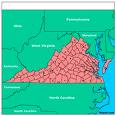 In summarizing the overall experience one writer wrote, “This has been an extremely enlightening tour for all of us—superbly put together and organized to show us just what Virginian wineries are capable of producing and their rapid improvement over the last 20 years. I am sure that if we are invited again, in just a few years time we will experience an even greater geometrical progression.”
It is important to reflect that each of these writers have returned home and is writing independently about their experience. Virginia’s reputation in the international wine market will be further enhanced by the opinions of these enophiles.
The challenge today for Virginia wine is to intensify its laser-like focus on quality. One marker foredaining this advancement is seen in the increasing number of national and international wine professionals laboring in our wine cellars and vineyards. The days of hobby winemaking morphing into a small business are fading fast. Laudatory assessments from around the world will continue only as long as winemakers and vineyard managers do not rest on their laurels.
Indeed, it’s taken an enormous commitment to achieve the current success in Virginia wine. But the work has just begun. The state’s national and international reputation depends on it.

Published in the 2011 edition of the Piedmont Business Journal.
Chairman of Fauquier County Chamber Explains How
The recession is long over. Skeptical? It’s understandable.
But according to the Bureau of Economic Research, the downturn that began in December 2007 ended its nosedive in June 2009. Of course, try explaining that to folks still in danger of losing their homes or unable to land a job.
Nonetheless, it appears the economy is slowly beginning to right itself. And while the economic landscape is littered with disrupted lives and portfolios, the United States, as well as Fauquier County, is looking forward to ringing in more than just good wishes in 2011. Cash registers would be a nice start.
With twenty-four wineries in the county, it’s timely to take a beginning of the year assessment of the industry. Perhaps no one is better positioned to opine on the subject than the newly elected Chairman of the Fauquier County Chamber of Commerce and managing partner at three county wineries, Chris Pearmund.
We caught up with Pearmund at his eponymous winery, hovering over his keyboard. He seemed eager to take a break and provide some perspective on an industry he knows well.
How has Virginia wine fared over the last two years?

Chris Pearmund
Exceptionally well. I can’t speak for individual wineries but the industry at large has exhibited robust growth during a difficult period. Total wine sales in the state increased almost 13% in 2009 over the previous year. And growth this year will be even greater. The number of wineries continues to increase, with 189 statewide. Back in 2007 there were some 140. This dramatic growth occurred during the worst recession in decades.
Today, the industry employs over 3,000 people and contributes almost $350 million to the state’s economy, selling close to 450,000 twelve-bottle cases a year. It’s also the fastest growing agricultural segment in the state, generating $1.6 million in taxes for the state’s coffers; Fauquier County receives 20 percent of that revenue.
We are now the fifth largest wine producing state in the Nation, behind California, Washington, Oregon and New York. Speaking just for my three wineries, the recession has had zero impact.
Having said all that, running a winery is difficult, time consuming work. Most of us are operating small businesses. So while the industry is doing very well, I’m not implying fortunes are being made. An owner must be proficient in a number of disciplines to make a success of it and struggle to keep liabilities in balance with assets. It’s not a business for the faint-hearted.
What makes the industry so resilient?
I think it’s our customer demographics. Research has shown that people who enjoy wine are middle-aged, prosperous, well-educated and responsible drinkers. Added to that is an emerging wine loving group called Millennials, roughly aged 20 to 30, who are among the fastest growing segment of wine drinkers in the country. I think wine fits today’s lifestyle, including the growing interest in locally produced fare and support for a green environment. Taken as a whole these are customers any business would court. Their success as an economic force has propelled our industry forward.
Any growth areas?
 Absolutely. If you’re not evolving, you’re likely fading. Stagnation is not a healthy business condition. One of my challenges is to increase weekday sales. Weekends are a busy time at most wineries but if you elect to keep your doors open seven days a week generating customers Monday through Friday can be difficult. I’m working on that opportunity now.
Like what?
Well, I think we are discussing the industry at large not proprietary business plans. I’m sure many full time wineries are focusing on ways to build weekday guest traffic. You can be certain whatever actions I take it will respect my neighbors and the community at large.
Virginia Wine is perceived by some as too expensive. How do wineries sell pricey wine in a tough economy?
Well first off, I take exception to the idea that our wines are overpriced. Virginia wine is a hand-crafted, artisanal product produced from locally grown fruit. We do not operate wine factories selling millions of cases a year. The cost of producing our wine is higher and it’s reflected in our pricing. But the end product is superior. The state’s anticipated double-digit sales figures this year prove that customers are willing to pay for quality.
 If you look at any wine region in the world, you will find similar situations; small wineries creating excellent wines at fair, but not giveaway prices. The reality is Virginia is equal to, and in many cases better than, most of these niche producers.
It’s also interesting to note that nationally, wine in the $20-plus category enjoyed a 22% gain in dollar sales this November over the previous month. That surge is expected to continue through December. Even more intriguing, wine club sales from California averaging over $50 per bottle are one the hottest selling wine categories today. Wine lovers everywhere are willing to pay for quality and that’s why Virginia is doing so well.
Is the growth in the number of wineries sustainable?
Yes. I don’t think we have reached a saturation point. Less that five per percent of all wine sold in the state is Virginia wine. We can double that volume over the next decade. I do think some marginal producers are hurting the cause of national recognition. We’ve achieved much in the past decade but everyone in the business must strive to further increase quality. We are coming ever closer to a tipping point of national appreciation for producing fine wine. New entrants in the industry need to be committed to advancing our cause. And they need to sell beyond just their tasting rooms.
The bottom line is new wineries don’t hurt existing ones; a rising tide does float all boats. Visitors from both the DC metro area and out of state continue to swell tasting rooms around the state. I think the continued growth of quality-focused wineries will help all of us.
Would you consider ever selling any of your wineries?
I would and I am. The Winery at La Grange is currently on the market. But you might ask, if I’m so pumped about Virginia wine why would I consider selling? First, I think most owners of a business would be willing to sell at the right price. But for me other considerations also come into play. I’m not getting any younger. I have been in the wine business for over twenty years and it’s physically and emotionally demanding work. I’m beginning to think about my retirement, even though it’s years away. Everyone should carefully plan for their golden years but, truthfully, I haven’t. Now’s the time to start.
If I did sell my businesses, I would prefer staying on in some capacity. I love the world of Virginia wine and have considerable knowledge I can pass on to the next generation of owners. Consulting would be considerably less demanding than being a full time proprietor.

